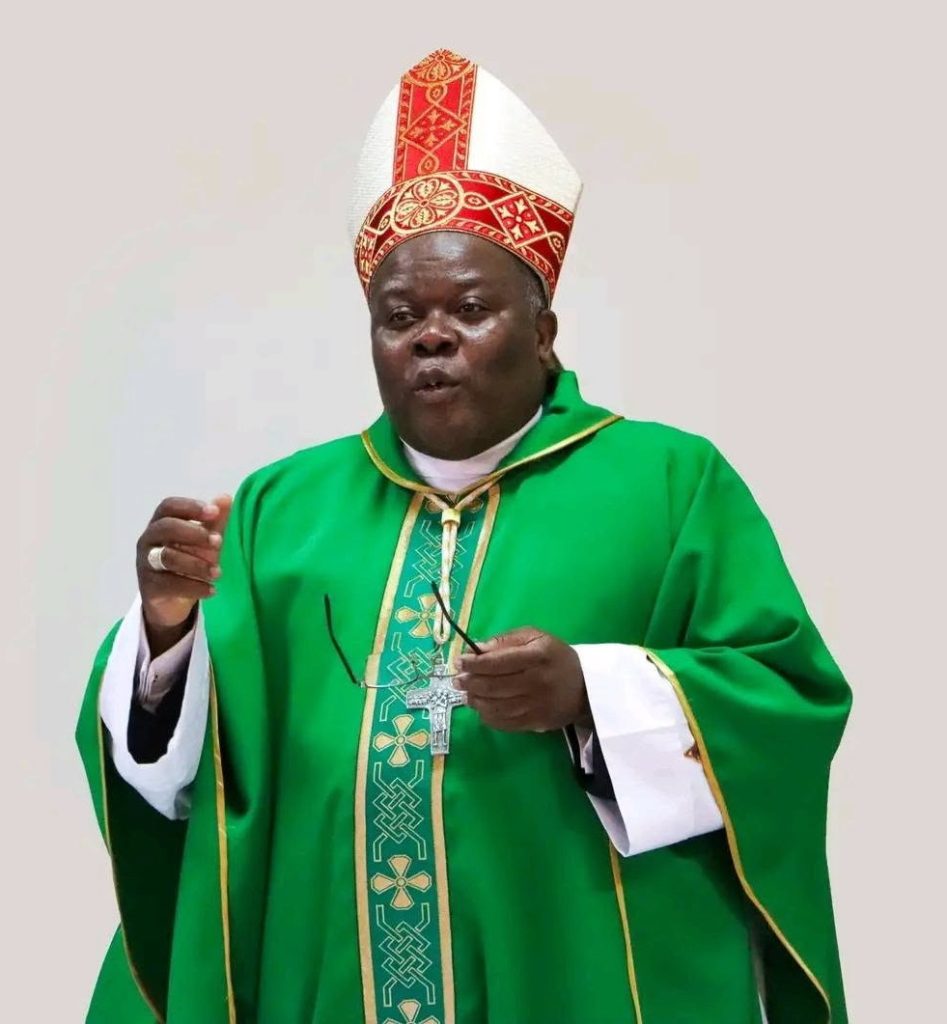
Three months after the assassination of Bishop Osório Citora Afonso, IMC, Bishop of Quelimane and Apostolic Administrator of the Archdiocese of Beira, fundamental questions remain unanswered: who killed Bishop Osório? Who were the masterminds and the material perpetrators of this violent death? And what were the motives behind the murder?
By the Editors *
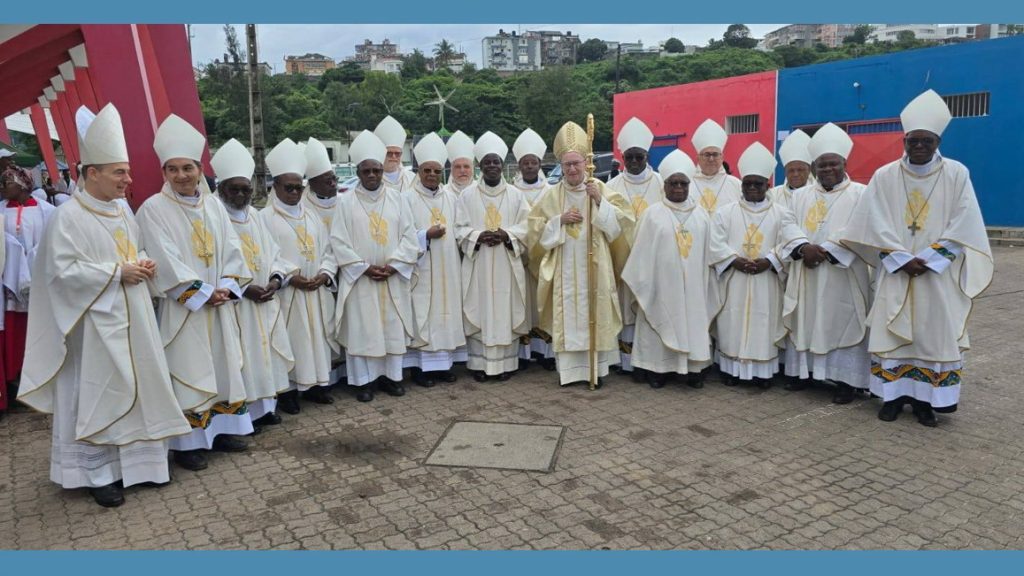
Bishop Osório was killed on June 6, 2026, at his residence in Quelimane. Faced with a death as violent as it was unjustifiable, the bishops of the Episcopal Conference of Mozambique (CEM) gathered from September 2 to 4 at the Saint Augustine Philosophical Seminary in Matola for an Extraordinary Plenary Assembly “to reflect on his violent and unjustifiable death.”
At the conclusion of the meeting, the bishops of the CEM issued a statement addressed “to the Christian communities and to all men and women of good will,” inspired by the words of the Song of Songs: “Love is as strong as death” (Song 8:6).
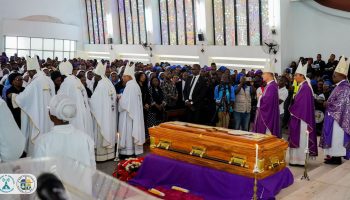
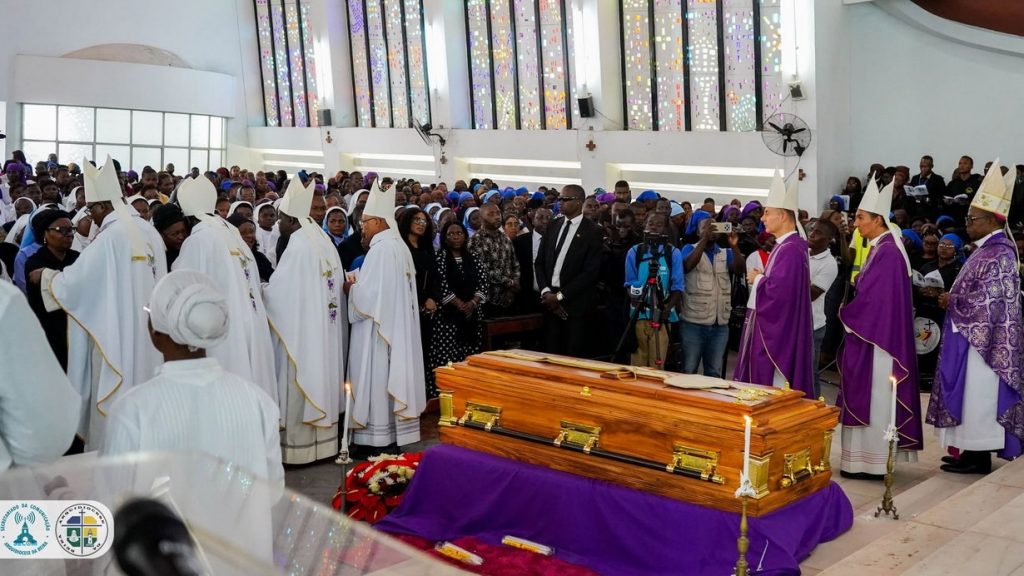
“The meeting was preceded by the funeral of Bishop Januário Machaze Nhangumbe, Bishop Emeritus of Pemba, who passed away on August 23. With his death – and that of Cardinal Júlio Duarte Langa, Bishop Emeritus of Xai-Xai, who died on August 3 – the first generation of post-independence Mozambican bishops has come to an end,” the bishops state at the beginning of their note, signed by the president of the CEM, Bishop Inácio Saure, IMC, Archbishop of Nampula.
The statement continues: “Although the death of these venerable brothers in the episcopate has brought us deep sorrow, we are comforted that God granted them a long life in service to Him and His people. However, the violent death of Bishop Osório Citora Afonso – at the hands of an assassin – has dealt a heavy blow to the heart of the Catholic Church in Mozambique and continues to cause us suffering. We have lost a brother who was still young, from whom much was expected.
The Murder of Bishop Osório Has Not Yet Been Clarified
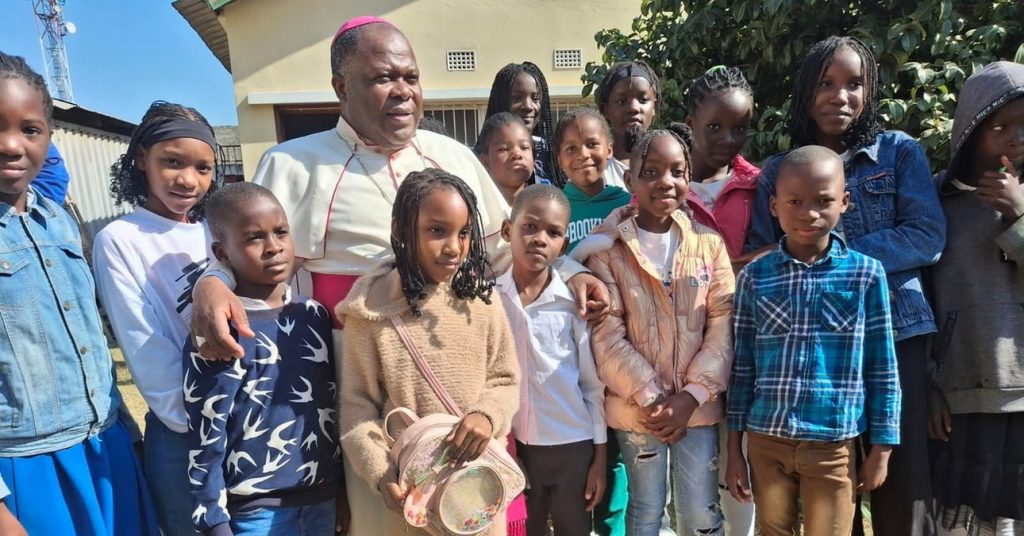
Three months after the assassination of Bishop Osório, the bishops of Mozambique deplore that “the perpetrators and circumstances of his murder have not yet been clarified.” His death, they emphasize, “has aroused deep pain in the Diocese of Quelimane and among the entire Mozambican people, who still ask how it is possible that a pastor – a lover of life, peace, and his people – was killed in his own home!”
In their statement, the CEM bishops also express gratitude “for the numerous expressions of solidarity received from many people in Mozambique and around the world following the death of the Bishop of Quelimane and Apostolic Administrator of Beira. A special thought goes to the Holy Father – Pope Leo XIV – who constantly follows the situation in Mozambique, encouraging us to transform this tragedy into a journey of conversion, purification, and renewal.”
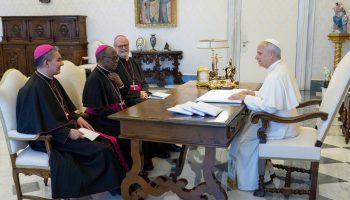
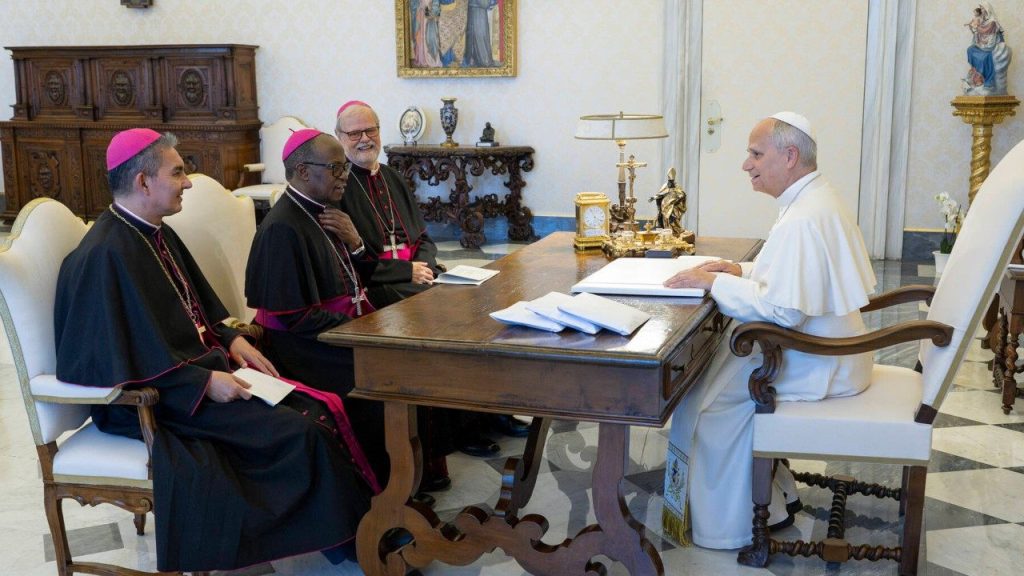
In this regard, the prelates recall the audience on July 3, when Pope Leo XIV received the president of the CEM, Bishop Inácio Saure, the vice-president, Bishop João Carlos Hatoa Nunes, and the Archbishop Emeritus of Beira, Bishop Claudio Dalla Zuanna, at the Vatican. “On that occasion, the Holy Father expressed his closeness and his interest in clarifying the circumstances and causes of the death of Bishop Osório Citora Afonso. During the meeting with the Holy Father and other Vatican bodies, we felt truly accompanied by the entire Church,” the bishops observe.
Fundamental Questions Remain Unresolved
In their statement, the bishops of Mozambique reiterate the fundamental questions surrounding the assassination of the Bishop of Quelimane, Bishop Osório Citora Afonso, calling for full light to be shed on the circumstances and responsibilities of what occurred.
“The Catholic Church in Mozambique and worldwide continues, in fact, to live through this unprecedented assassination in the history of the Mozambican Church with deep sorrow and concern. We express regret that, despite the efforts made so far, nothing is yet known from the competent authorities about what happened. The questions we all ask remain unanswered: who exactly killed Bishop Osório? Who were the masterminds and the material perpetrators of this violent death? What were the motives behind the murder?”
“We Urge the Authorities to Continue the Search for Truth”
“Three months after the event,” the bishops recall, “we are still waiting for answers to these questions. We urge the judicial authorities to persevere in their commitment to seek the truth, so that it may become a path of hope, reconciliation, and purification, capable of helping to heal this atrocious wound.”
In reiterating their solidarity and closeness to the Diocese of Quelimane, the bishops also highlight the need to address internal challenges within the Church, which require a path of reform and renewal “in the light of faith.” In their statement, they thus urge building “on the rock of our relationship with God. The Church needs witnesses to the Good News who embrace the heart of the Gospel with seriousness and radicalism, placing the relationship with God and fraternal charity as the foundation of every activity and ahead of any pastoral task. This program of life invites us to rediscover the beauty of walking together, strengthening the bonds of fraternity, sharing our lives, and renewing the Church’s evangelizing commitment.”
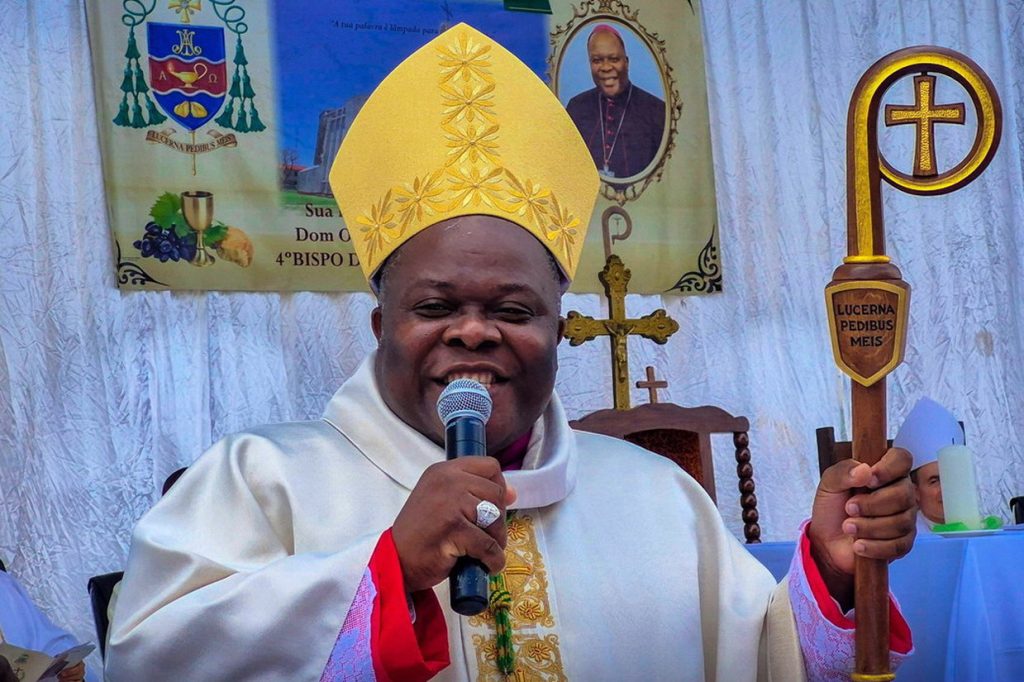
The note concludes with a wish for the Church and its pastors: “May God be – truly and existentially – the first to be served in every way we live our vocation, so that, following our Lord, we remain aware of the urgency of His mission; and that we, impelled by the Holy Spirit, become increasingly credible witnesses to the joy and hope of the Gospel. May Mary, Mother of the Church and Queen of Peace, accompany our people and teach us to remain united in Christ, steadfast in faith, persevering in charity, and joyful in the hope that does not disappoint” (Rom 5:5).
* Reported based on information from the Episcopal Conference of Mozambique (CEM).