An Essay for the World Day of Prayer for the Care of Creation
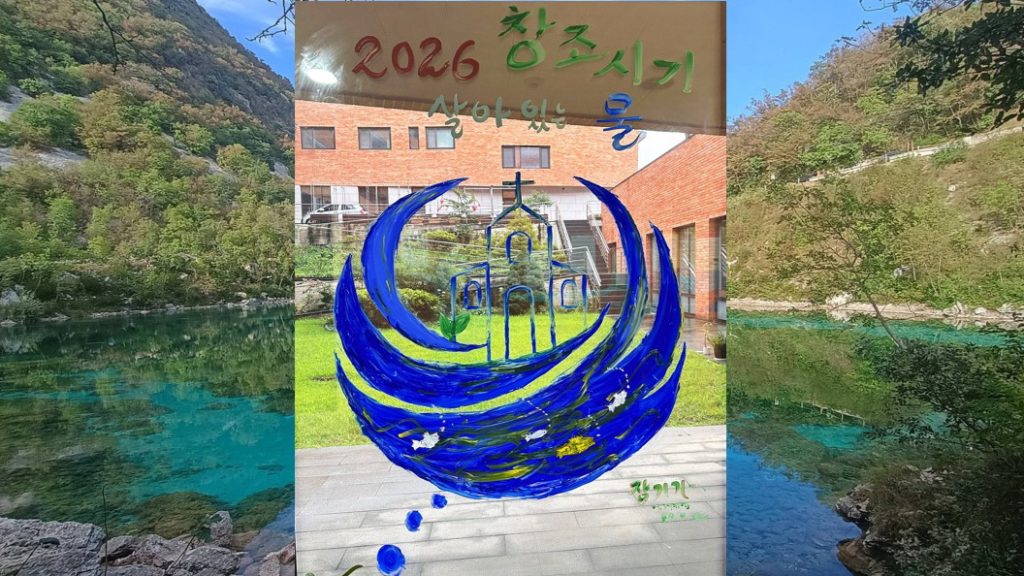
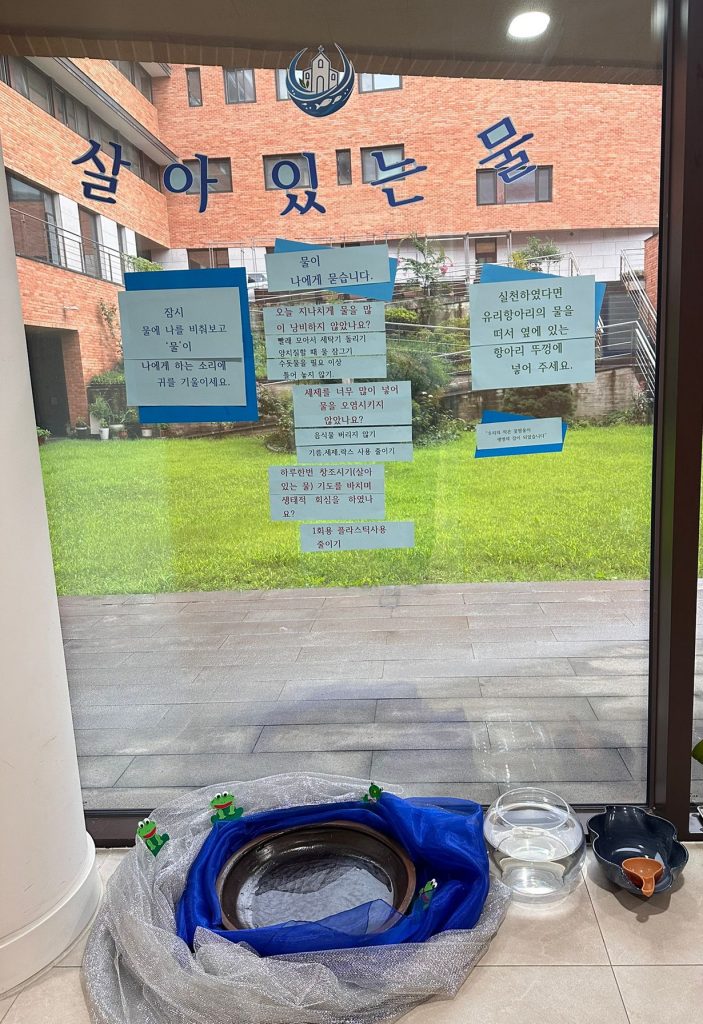
On September 1, the Church invites us to stop for a moment and look carefully at the world in which we live. September 1 is the World Day of Prayer for the Care of Creation, and until October 4, the Feast of Saint Francis of Assisi, Christians around the world observe the Season of Creation. The theme for 2026 is “The Water of Life.”
By Kyoung Ho Han *
In his message for this year, Abbot Peter Hyun-Dong Park, President of the Committee for Ecology and Environment of the Catholic Bishops’ Conference of Korea, chose a beautiful verse from the prophet Ezekiel: “Wherever the river flows, every living creature shall live” (Ezekiel 47, 9).
These are truly beautiful words. Wherever a river flows, grasses and trees grow, fish live, birds gather, and people drink, farm, and build their communities. Water, therefore, is not simply a resource to be used. It is a gift from God given to sustain all living beings.
Yet the rivers we see today often look very different from Ezekiel’s river of life.
The 2026 message of the Korean Catholic Church warns that our land is crying out in thirst. Rivers are blocked by dams and weirs and suffer from severe algal blooms. Tidal flats, which are home to countless forms of life, are threatened by development projects and the construction of new airports. The expansion of nuclear power and the unresolved problem of high-level radioactive waste also raise serious ethical questions, because the risks and burdens may be passed on to future generations who have no voice in the decisions we make today.
These concerns become even more serious when we consider the extreme weather events that Korea experienced in 2026.
According to the Korea Meteorological Administration, the average temperature in July 2026 was 26.8 degrees Celsius, making it one of the hottest Julys ever recorded. The average number of tropical nights reached 9.7 days nationwide, about three and a half times the usual number and the highest ever recorded.
At the same time, climate conditions became increasingly unequal. While central regions of the country experienced heavy rainfall, southern regions suffered from severe heat and drought. Within the same peninsula, some people worried about floods while others worried about the lack of water.
On July 31, Yangsan in South Gyeongsang Province recorded a temperature of 41.4 degrees Celsius, the highest temperature ever recorded in Korea’s modern meteorological history. Extreme heat continued into August, while southern regions were also struck by torrential rain. In some areas, heavy rainfall triggered landslides, damaged homes and farmland, and even caused loss of life.
The words “climate crisis” are therefore no longer warnings about a distant future. They describe a reality that we are already experiencing.
The people who feel this reality first are often those who are most vulnerable: outdoor workers who cannot escape the heat, farmers whose crops wither in drought or are destroyed by floods, elderly people whose health is threatened by extreme temperatures, and families who are forced to leave their homes after sudden disasters.
The situation is not limited to Korea.
Around the world, record-breaking land and sea temperatures, heatwaves, droughts, wildfires, floods, and severe storms are increasingly occurring at the same time. Countries in Europe have repeatedly faced destructive wildfires, while mountainous regions of Asia are confronting growing risks from melting glaciers, landslides, and flash floods.
Scientists rightly caution us not to attribute every individual disaster directly to climate change. Yet the overall direction is increasingly clear: a warming climate is creating conditions in which extreme weather events can become more frequent, intense, and destructive.
Faced with all this, we must ask ourselves a fundamental question: Are human beings the owners of nature, or are we stewards entrusted by God with the care of creation?
For a long time, humanity has often treated nature as if it were simply a collection of resources available for our own use.
When we looked at mountains, we sometimes saw not forests but opportunities for development.
When we looked at rivers, we often thought first about economic benefit rather than the life they sustain.
When we looked at tidal flats, we sometimes saw empty land waiting to be reclaimed rather than precious ecosystems filled with living creatures.
But as Pope Francis reminded us in Laudato Si’, everything is interconnected.
When water is polluted, human beings also suffer.
When forests disappear, our own lives become more vulnerable.
When the oceans are damaged, the lives of fishing communities are threatened.
And when the climate changes, the poor and vulnerable are usually the first to carry the burden.
For this reason, ecological concerns are not simply environmental issues.
They are questions of life, justice, peace, and ultimately faith.
In this year’s message, Abbot Park calls Christians to become “apostles of ecology.” We are called to proclaim the Good News not only through words but also through the way we care for all living beings.
Ecological conversion does not begin with grand slogans. It begins with a transformation of our way of life.
It asks us to move away from a culture of excessive consumption and waste and toward a life of simplicity, sharing, moderation, and gratitude.
Perhaps the first thing that needs to change is not the planet but the human heart.
As long as we believe that happiness means possessing more, that a good life must always be more convenient, and that every form of discomfort must be eliminated, technological solutions alone will not be enough.
The deeper question is about desire. How much is enough? What kind of life do we really want? And what kind of world do we want to leave to those who come after us?
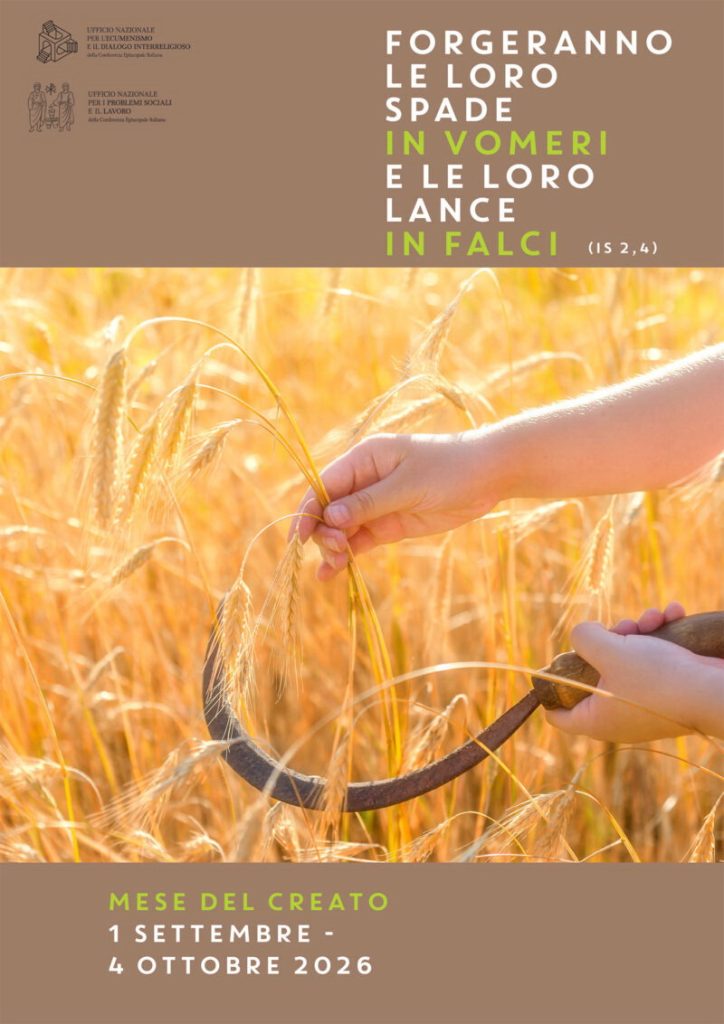
In his message for the World Day of Prayer for the Care of Creation, Pope Leo XIV also draws attention to the prophetic vision of Isaiah:
“They shall beat their swords into plowshares, and their spears into pruning hooks” (Isaiah 2:4)
This image invites us to transform instruments of destruction into tools that sustain life.
War and environmental destruction are not completely separate realities. Both can emerge from the same mentality of domination, exploitation, and control.
A society that treats human beings as expendable can also treat forests, rivers, animals, and the earth itself as expendable.
What, then, can we do?
Pope’s September prayer intention: ‘For the care of water’
We can begin with simple daily choices: saving water, reducing disposable products, consuming less, using public transportation or walking whenever possible, reducing unnecessary meat consumption, and supporting local and sustainable food.
Parishes, religious communities, and Church institutions can also examine their energy use, reduce waste, protect local ecosystems, and move gradually toward renewable forms of energy.
But personal lifestyle changes, while important, are not enough.
Ecological conversion must also have a social dimension.
When development projects threaten rivers, forests, tidal flats, or local communities, Christians should pay attention.
When economic policies place environmental burdens on the poor, we should speak.
When governments and corporations delay serious responses to the climate crisis, we should call for responsibility.
To care for creation means not only choosing environmentally friendly products but also helping to build social structures that respect life.
The prophet Ezekiel saw water flowing from the Temple. At first it was only a small stream, but it gradually became a mighty river. Wherever that river flowed, life returned.
Perhaps this image can become a symbol for us today.
One person’s small act of restraint can influence another.
One family’s ecological choices can inspire another family.
One parish’s commitment can influence another community.
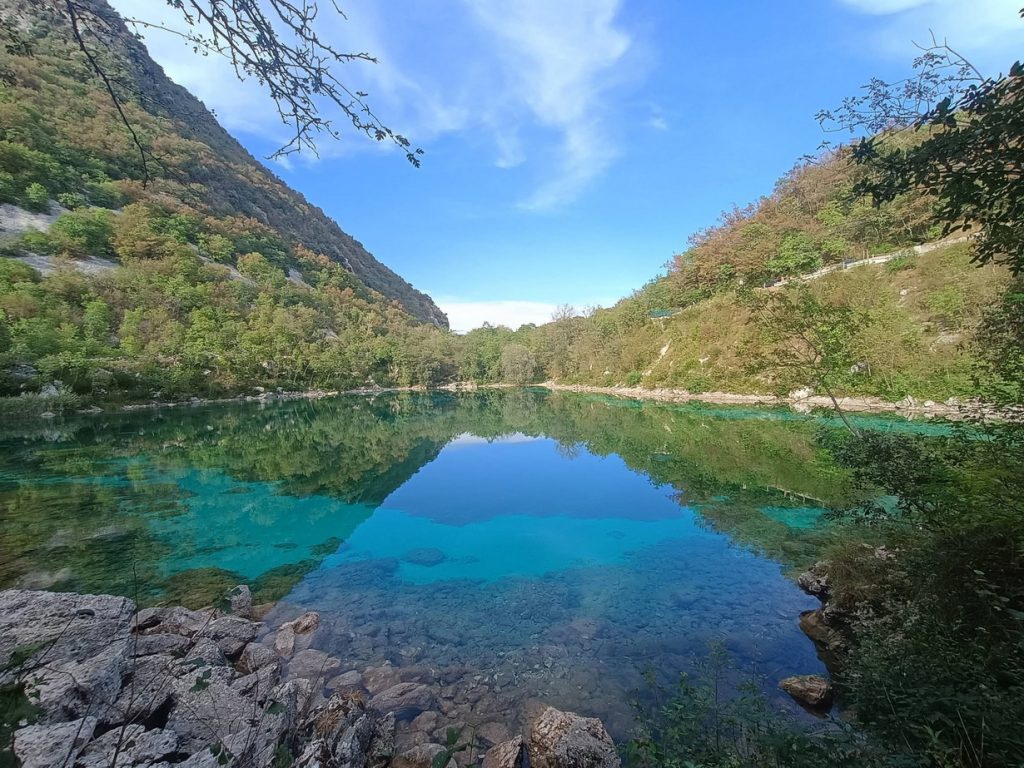
And gradually, small streams of conversion can join together and become a river capable of transforming the Church and society.
On the day of the World Day of Prayer for the Care of Creation, we should therefore ask ourselves:
Am I standing on the side of life, or am I unknowingly participating in the destruction and consumption of life?
May today’s prayer not end with today.
Let the waters of life begin to flow again in our homes, our parishes, our religious communities, and our society.
Let blocked rivers flow again.
Let polluted waters become clean.
Let tidal flats continue to shelter countless forms of life.
Let forests, birds, fish, animals, and human beings once again learn to live together within the beautiful community of creation.
Then the ancient prophecy of Ezekiel may once again become real in our own time:
“Wherever the river flows, every living creature shall live.”
Caring for creation is not simply one more good deed added to Christian life. It is an act of faith.
It is our way of confessing what kind of God we believe in, what kind of world we hope for, and what kind of future we choose to build together.
* Father Kyoung Ho Han, IMC, member of the National Reconciliation Commission (Korea)