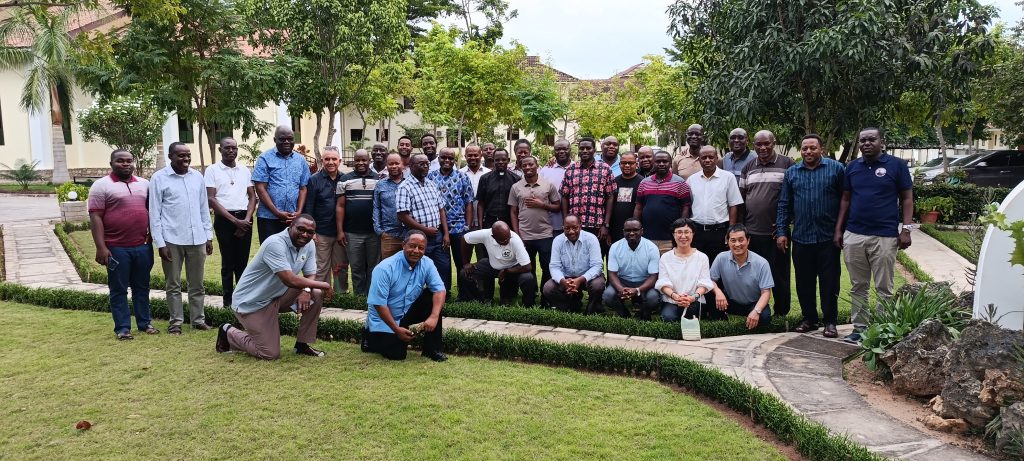
From July 6th to 10th, 2026, the Consolata Missionaries of the Tanzania-Madagascar Region gathered in Bunju for their Regional Assembly. Orchestrated by Regional Superior Fr. Rodrick Minja, the five-day gathering focused on drafting community and pastoral plans, evaluating daily journals, reviewing institutional histories, and examining mid-year 2026 financial balance sheets. Anchored in the wisdom of their founder, Saint Joseph Allamano, the assembly blended deep spiritual reflection with practical leadership training and strategic financial planning.
By Charles Orero*
Starting at the Feet of Jesus
The assembly opened on the evening of July 6th with a solemn Eucharistic Adoration led by Fr. Minja, The Regional Superior of Tanzania and Madagascar. Drawing from Acts 2:42–47, the Superior reminded the missionaries that they are, by definition, a Eucharistic community. He emphasized that spiritual vitality and adherence to traditional spiritual exercises, like Lectio Divina and daily meditation, must precede outward evangelization.
The evaluation of community and pastoral plans later in the week affirmed that these spiritual foundations remain robust. The Consolata family ought to continue to strengthen community prayer, fraternal correction, and teamwork. Messages from General Superior Fr. James Lengarin further encouraged the region to embrace this “moment of grace” by serving marginalized groups with humility and deepening collaboration with lay partners.
Leadership and the Value of Every Member
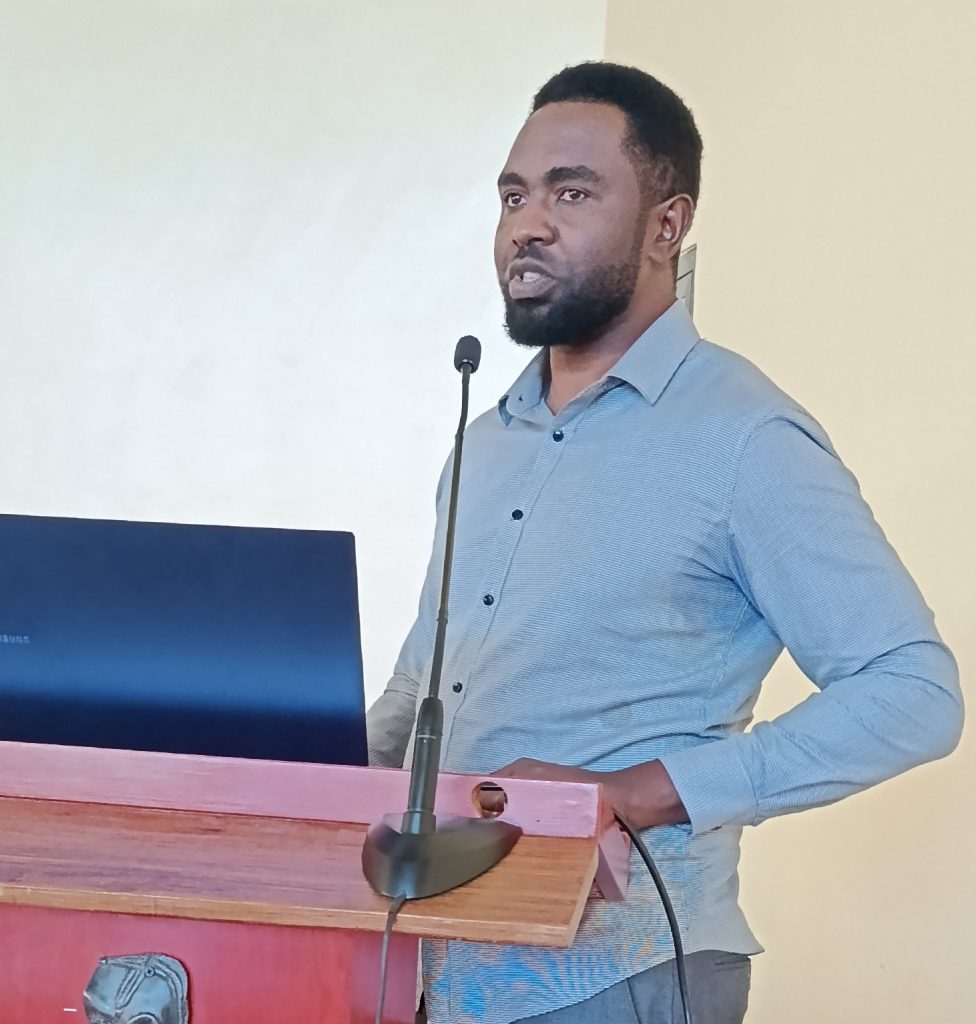
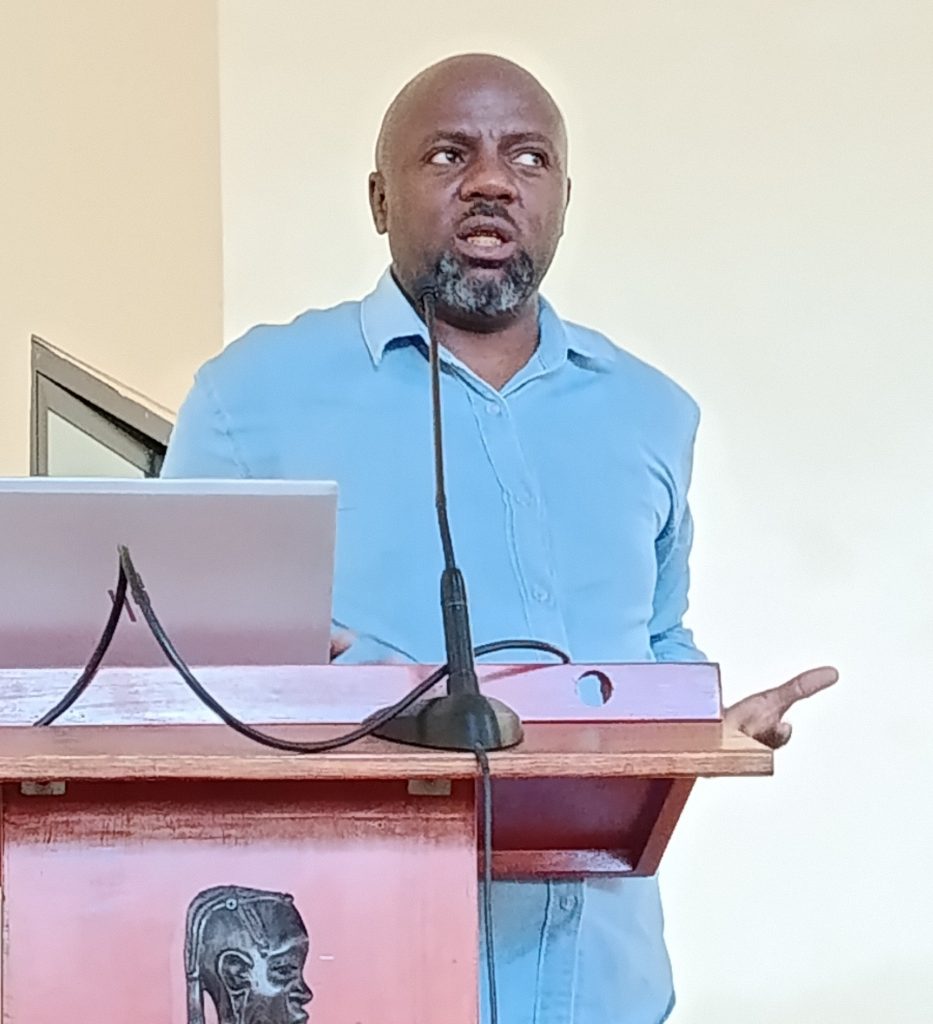
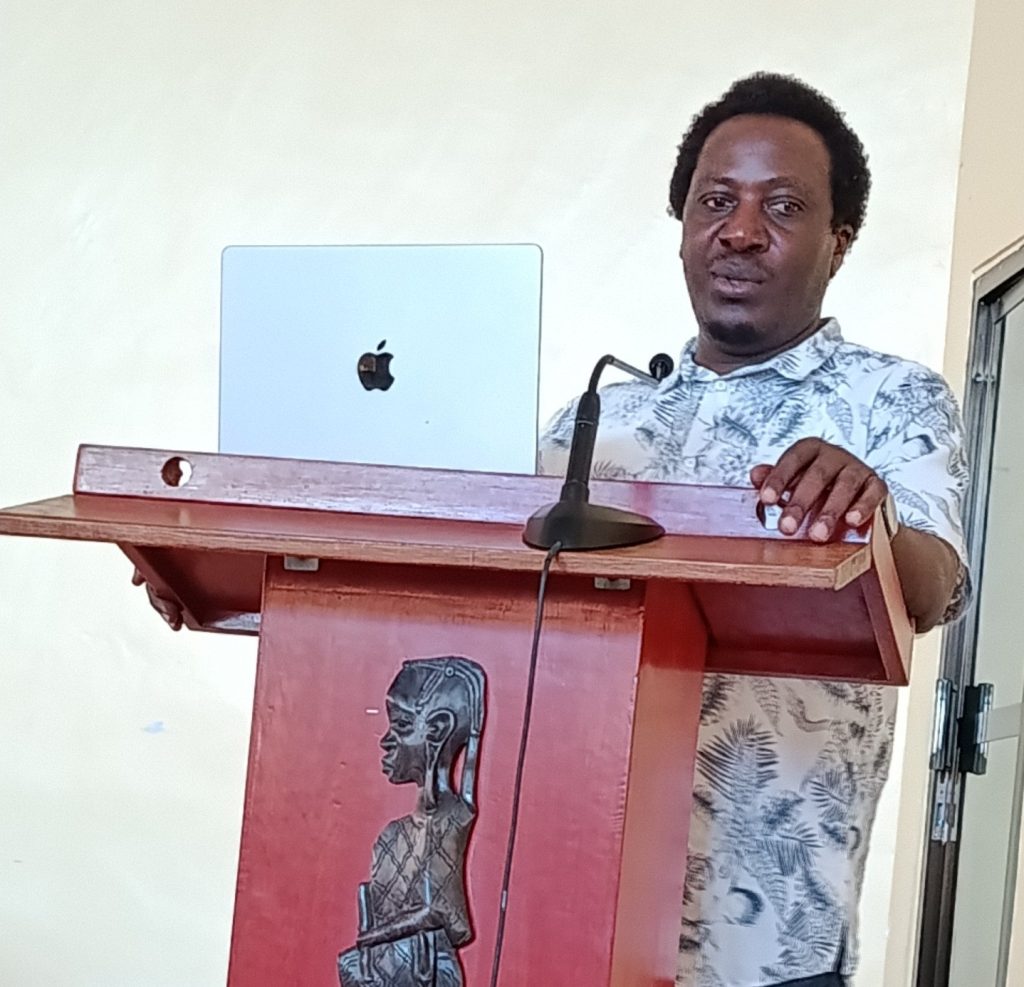
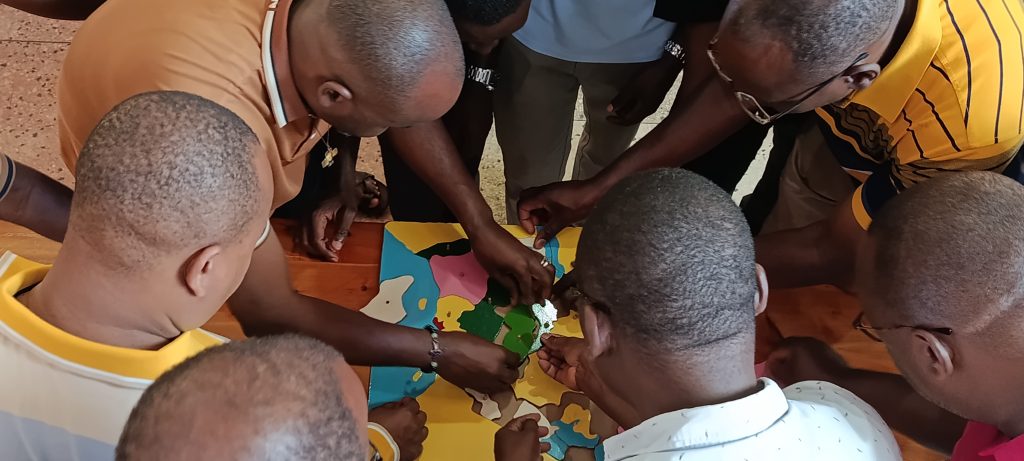
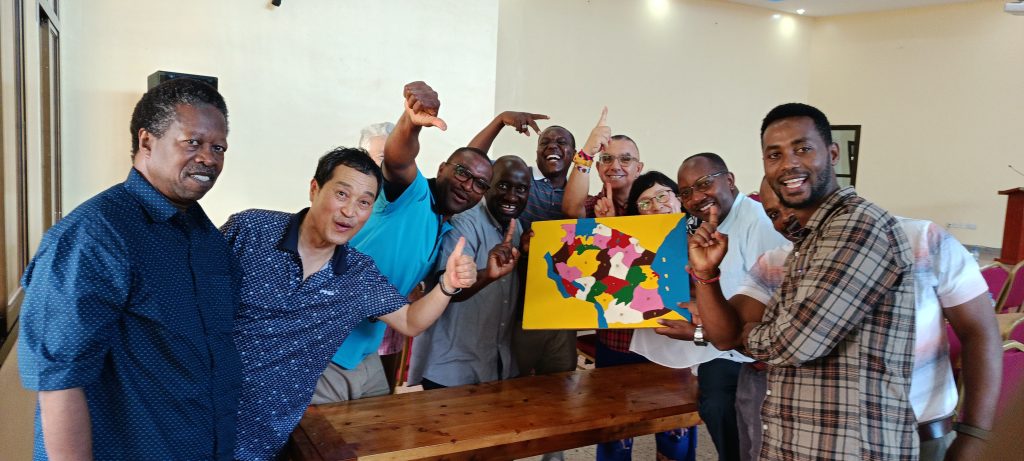
On July 7th, leadership expert Mr. Moses Raymond introduced a collaborative puzzle exercise using wooden maps of Tanzania. This interactive task served as a powerful metaphor for the Institute’s international and diverse nature. Confreres reflected that just as a missing puzzle piece leaves a map incomplete, a missionary community relies on the active presence and unique contribution of every member.
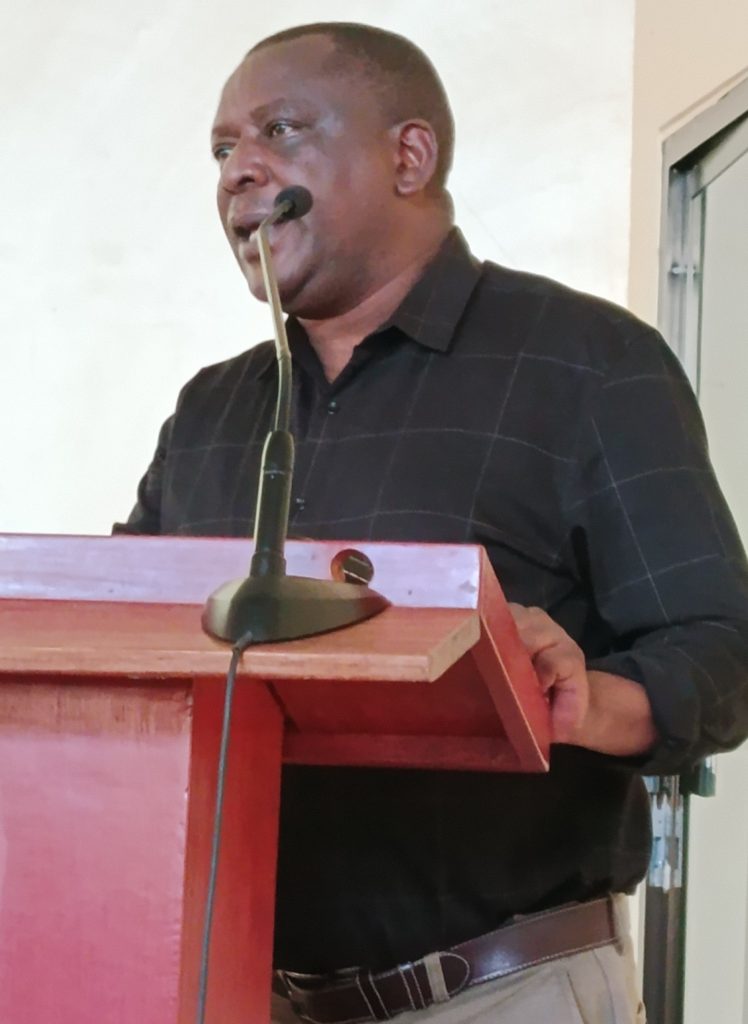
Mr. Moses’ subsequent presentation holistically bridged psychology and philosophy, focusing on self-awareness, emotional intelligence, and servant leadership modeled after Christ. This training was deemed highly essential for navigating cross-cultural ministry and addressing modern global crises like climate change, poverty, and conflict.
The second day of the Assembly concluded with a word of encouragement from the Regional Superior, Fr. Minja, who expressed his satisfaction with the members’ active participation. He noted that the confreres truly took ownership of the Assembly, demonstrating their determination to give it their very best. Fr. Minja then conveyed a message from the General Superior Fr. James Lengarin to the assembly members.
In his message, Fr. James Lengarin, described the Assembly as amoment of grace, inviting each confrere to renew their commitment to the people entrusted to their care and to strengthen their presence in the communities and to accompany with patience, perseverance and humility the men and women seeking guidance, consolation and hope from them.
Additionally, The Superior General encouraged the missionaries in the Region to cultivate collaboration with the lay people who are increasingly becoming vital in the missionary apostolate.
Shared Journeys: Insights from the Formation Groups
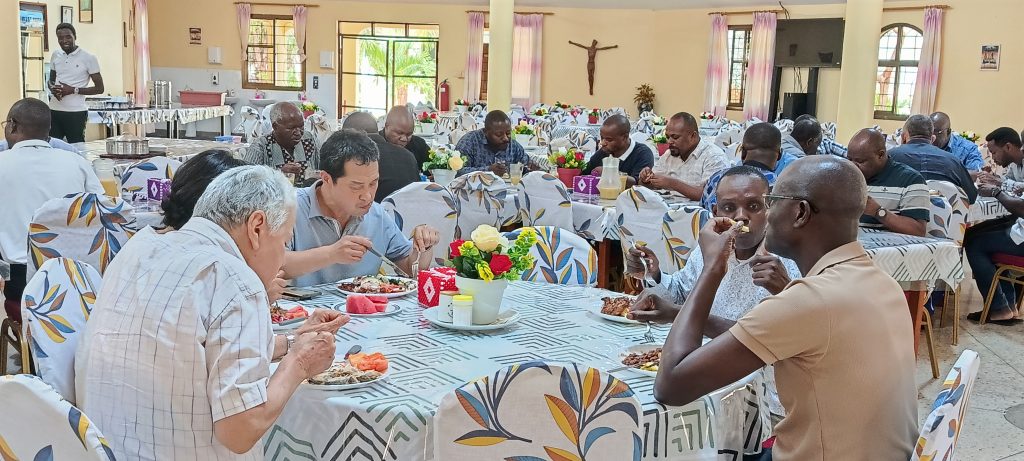
The assembly fostered intergenerational dialogue by reviewing feedback from ongoing formation groups categorized by years of ministry:
- 0–5 Years: Expressed vibrant joy for their calling and a collective readiness to support one another as young missionaries while navigating early ministry challenges.
- 6–15 Years: Appreciated the group dynamics as a valuable space to share joys and trials, reinforcing that building community requires active, individual effort.
- 16–25 Years: Firmly reaffirmed their identity as Consolata Missionaries, focusing on mutual support, institutional alignment, and unity.
- 26–40 Years: Viewed missionary life as a continuous journey of formation. They advocated for an authentic return to the founder’s original ideals and proposed practical local adjustments like local problem-solving and community outings.
- 40+ Years: Shared rich, extensive life experiences, highlighting that true leadership is rooted in sacramental grace and that mentoring the next generation is a collective duty.
Economic Growth and Future Sustainability
The final day of the assembly shifted the focus toward the region’s economic growth, investment strategies, and financial stability. Confreres reaffirmed their commitment to strict accountability, transparency, and the financial support of formation houses. To guide their strategic institutional investments moving forward, the assembly consulted legal expert Mr. Francis Kiwanga and agricultural expert Mr. Isaac Pius. Mr. Kiwanga outlined nine core principles for sustainable growth, emphasizing shared vision, legal compliance, financial accountability, and strategic partnerships to secure the region’s future.
On the other hand, Mr. Isaac, The Mjimwema Parish Council Chairperson, through a strategic plan invited the missionaries to reflect on how to invest in agricultural activities for improving their economic sustainability. He thus promised to give a full support on the proposal.
* Fr. Charles Orero, IMC, missionary working in Tanzania.