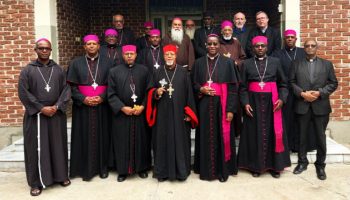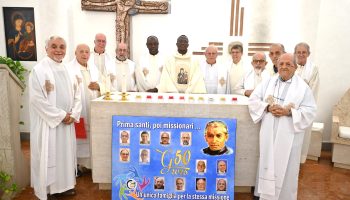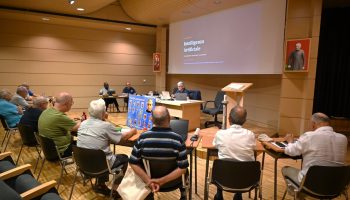
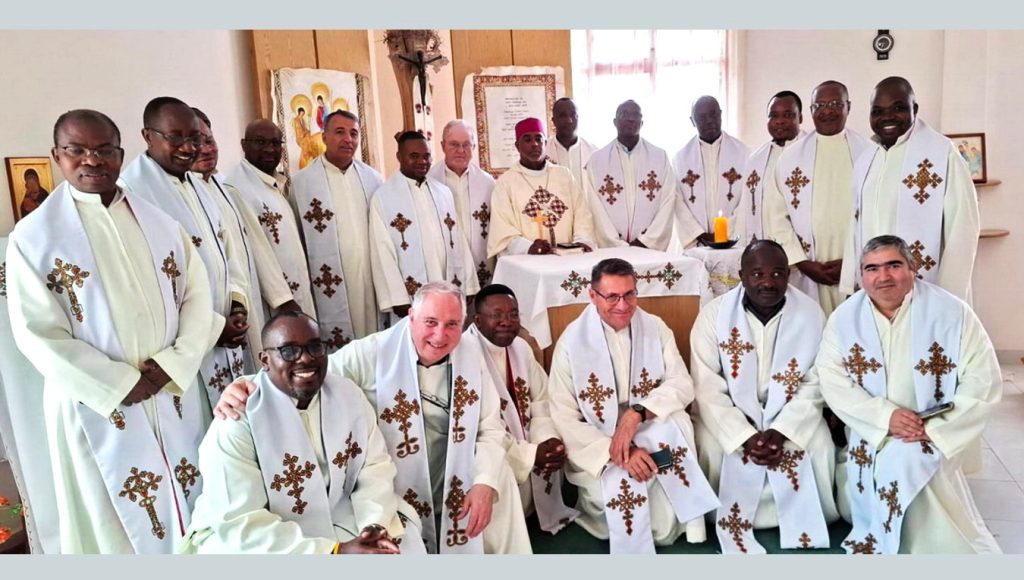
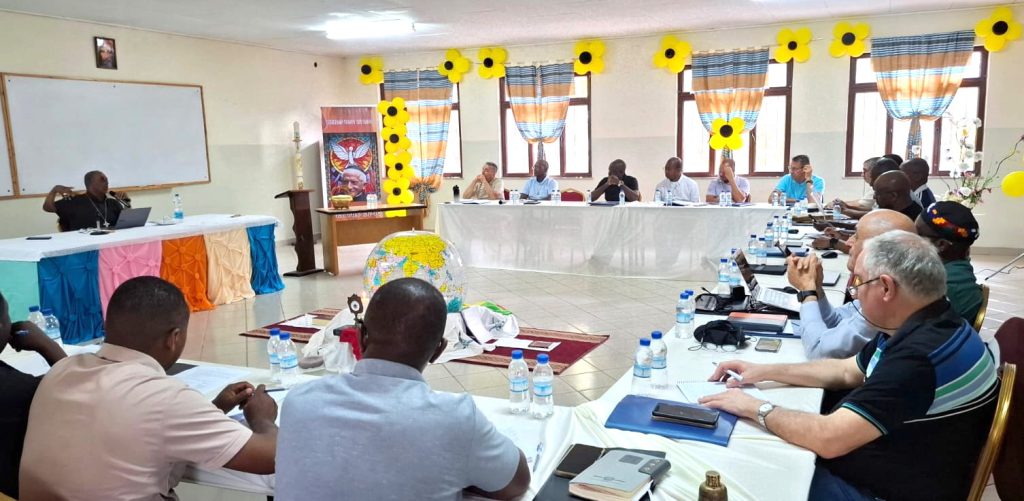
All the superiors of the various circumscriptions, gathered in Modjo, Ethiopia, together with the General Council, the Secretary and the General Administrator, to participate in the Intercapitular Consultation.
By Béni Kapala *
The meeting, taking place from October 5 to 16, represents a moment of particular significance for the life of the Institute: an opportunity for review, evaluation, and discernment positioned between two General Chapters, halfway through the six-year term of the General Council. The previous Consultation took place in March 2021 via the Zoom platform.
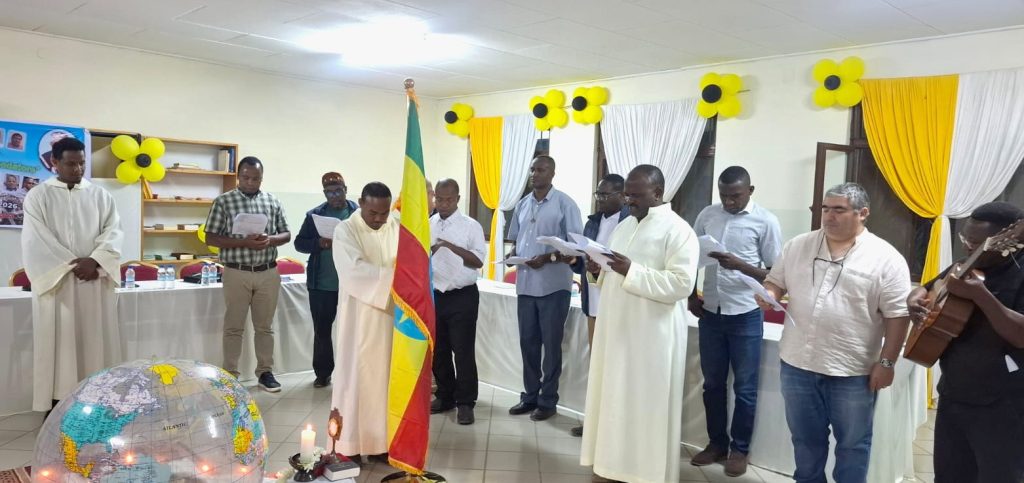
The Intercapitular Consultation also serves as an important space for governance and institutional communion, in which the General Council and the superiors of the various jurisdictions examine the path of the Institute, share the reality of the mission across different contexts, and seek new ways together to respond to current challenges.
This edition takes place in Ethiopia—the very first country where our founder, Saint Joseph Allamano, dreamed of sending his first missionaries.
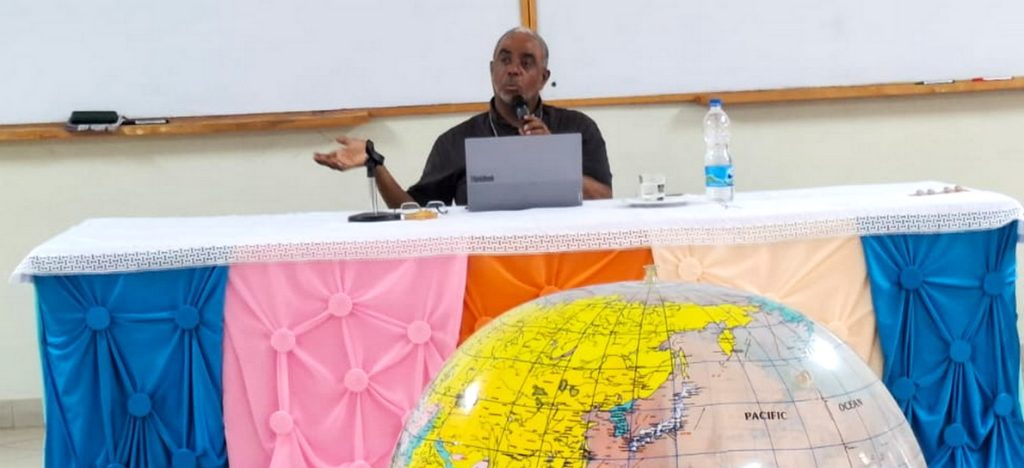
To guide the work of the Consultation, even before the opening ceremony, we as consultor fathers had the joy of receiving a visit from Most Rev. Tesfaye Tadesse Gebresilasie, M.C.C.J., Archbishop of the Archdiocese of Addis Ababa and President of the Catholic Bishops’ Conference of Ethiopia. During his address, he presented a detailed overview of the pastoral, social, and institutional situation of the Catholic Church in this African nation.
Ethiopia has an estimated population between 120 and 135 million inhabitants-making it the tenth most populous country in the world—while the Catholic community represents a minority between 1% and 2%. Nevertheless, through its extensive network of assistance and human promotion, the Church directly or indirectly reaches nearly 40 million people.
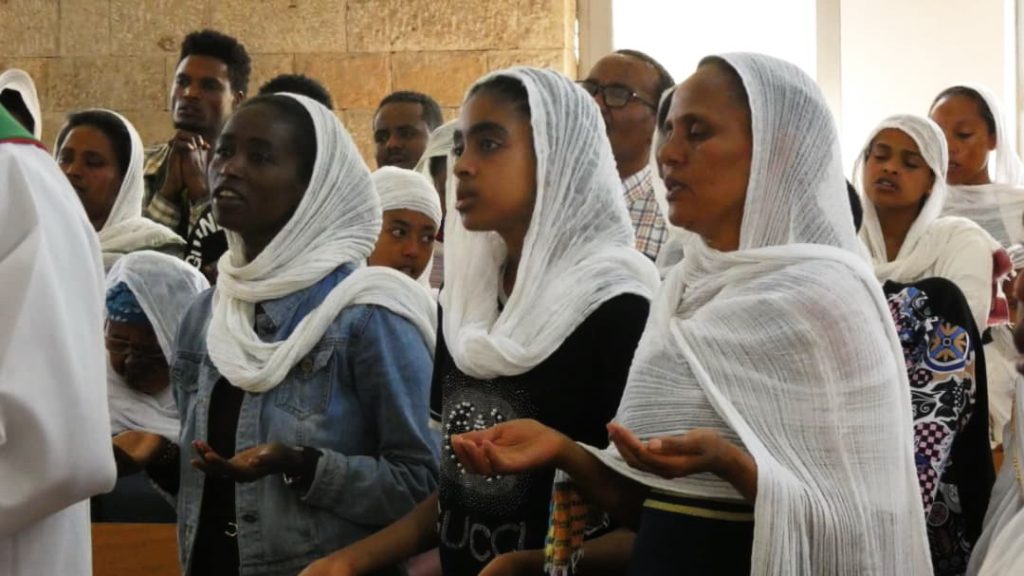
The social presence of the Church includes more than 500 educational centers (over 300 of which are dedicated to early childhood), more than 100 health facilities, women’s care centers, and youth outreach initiatives. This presence operates within a religious landscape characterized by the prevalence of the Ethiopian Orthodox Church (43–45%), the Muslim community (30–34%), and Evangelical Churches (18%).
Archbishop Tesfaye Tadesse, former Superior General of the Comboni Missionaries (his congregation of origin), expressed his sincere appreciation for the work of the Consolata missionaries, Fathers and Sisterswho have been present in Ethiopia since 1916 and were inspired by the work of Cardinal Guglielmo Massaia in this country. The Archbishop commended their commitment in the communities of Modjo and other dioceses, encouraging them to adopt the Ethiopian rite to foster the development of a fully inculturated parish ministry.
He further emphasized the urgent need to direct ecclesial structures more toward the urban peripheries of Addis Ababa, where state urban redevelopment plans are causing the displacement of thousands of families.
On an institutional level, the prelate highlighted that the Catholic Church in Ethiopia is still striving to secure official legal personality for its human promotion works and religious congregations. He explained that certain government reservations persist regarding the Holy See’s autonomy in appointing bishops, alongside historical prejudices in some regions where Catholicism is mistakenly linked with past conflicts.
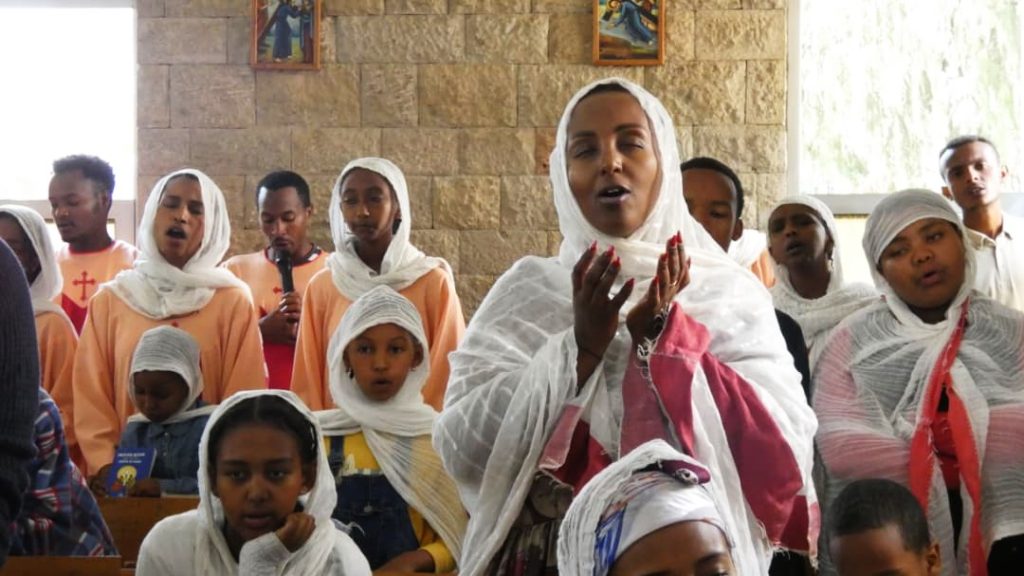
In the social and educational spheres, Archbishop Tesfaye Tadesse identified three priorities:
Economic Self-Sustainability: Promoting local resource generation in the face of progressively declining international funding.
Formation and Accompaniment: Providing academic and spiritual support to young candidates for missionary life coming from regions affected by armed conflict, such as Tigray.
Dialogue and Reconciliation: Promoting interreligious dialogue with Muslim communities in areas like Meki, ecumenical work with the Orthodox and Lutheran Churches, and school of peace in response to internal ethnic tensions.
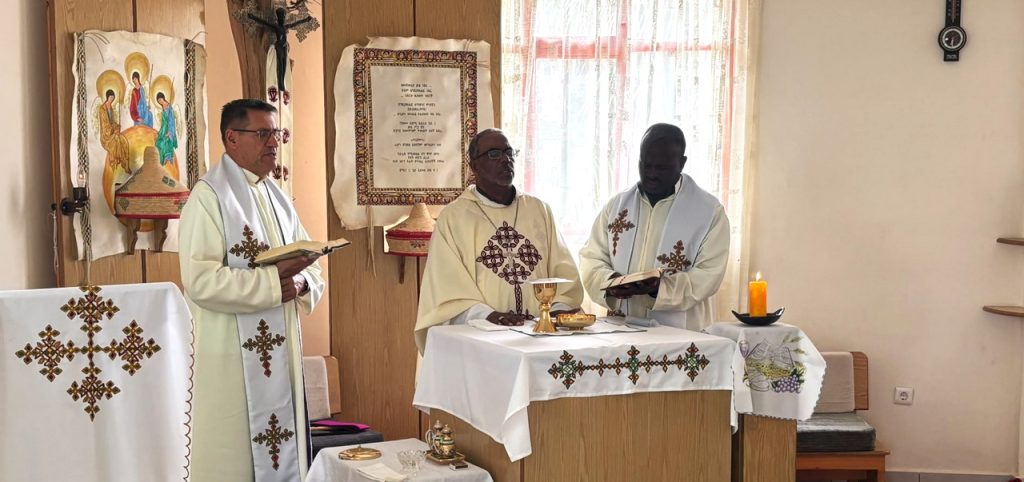
The Ethiopian Catholic Church suffers deeply as a result of the ongoing armed conflict in Tigray, Afar, Amhara, Oromia, and other regions of the country. Recently, the bishops of the Catholic Bishops’ Conference of Ethiopia (CBCE) issued an appeal for peace and reconciliation, expressing their grave concern over the war afflicting the country: “Far from resolving differences, war only intensifies divisions and multiplies suffering.” The conflict “sows seeds of hatred, resentment, and revenge that can last for generations.”
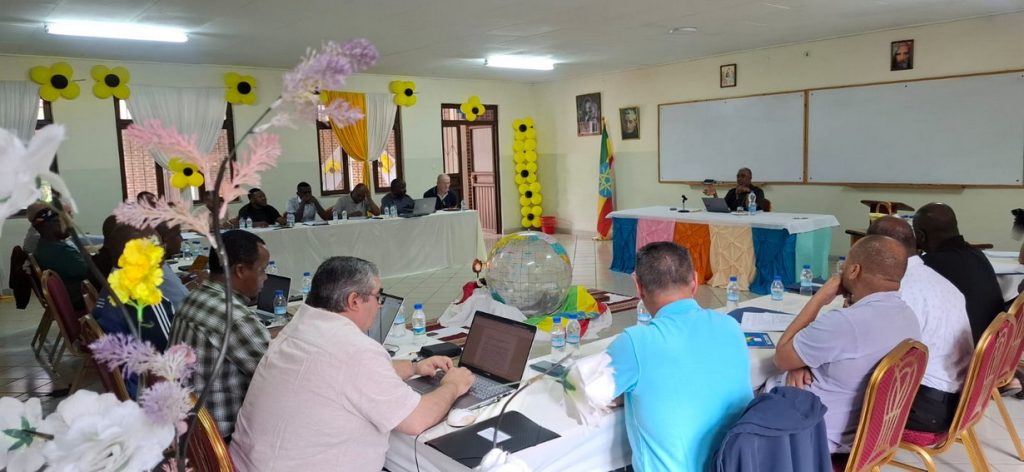
The Consultation program continued with a session of sharing by the superiors regarding life and mission across the various countries where the Consolata Missionaries are present.
* Father Béni Kapala, IMC, Superior Delegate of Venezuela.