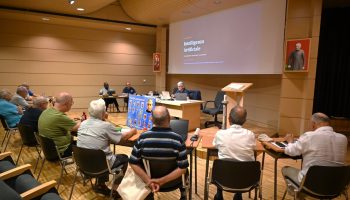

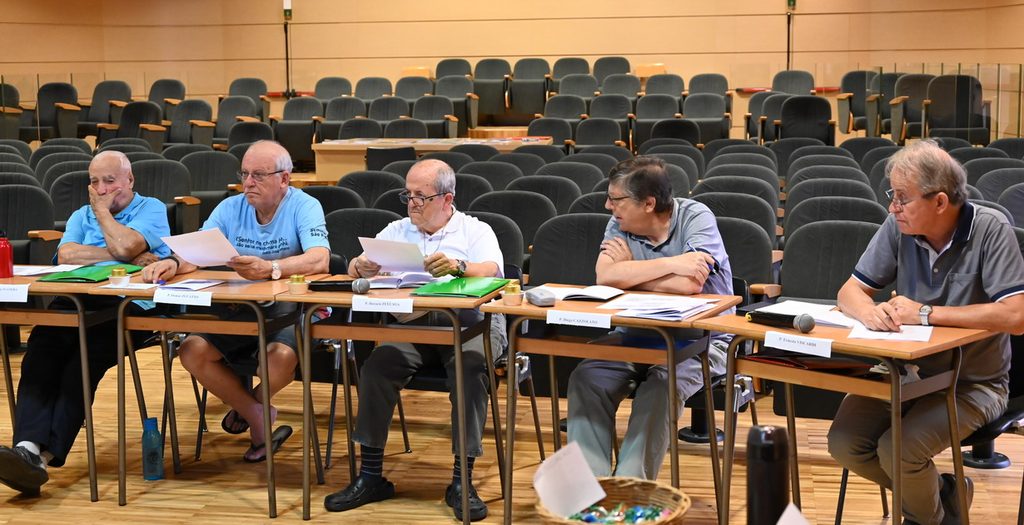
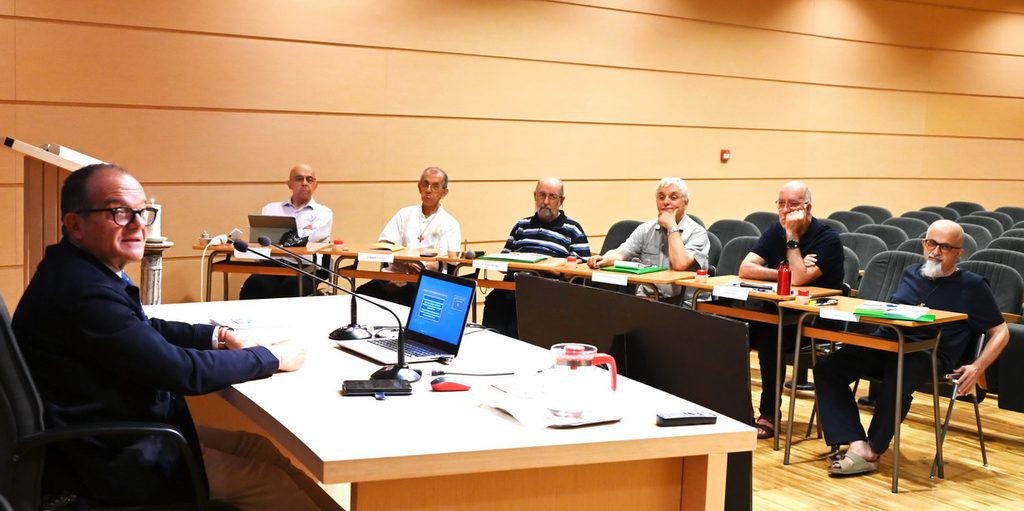
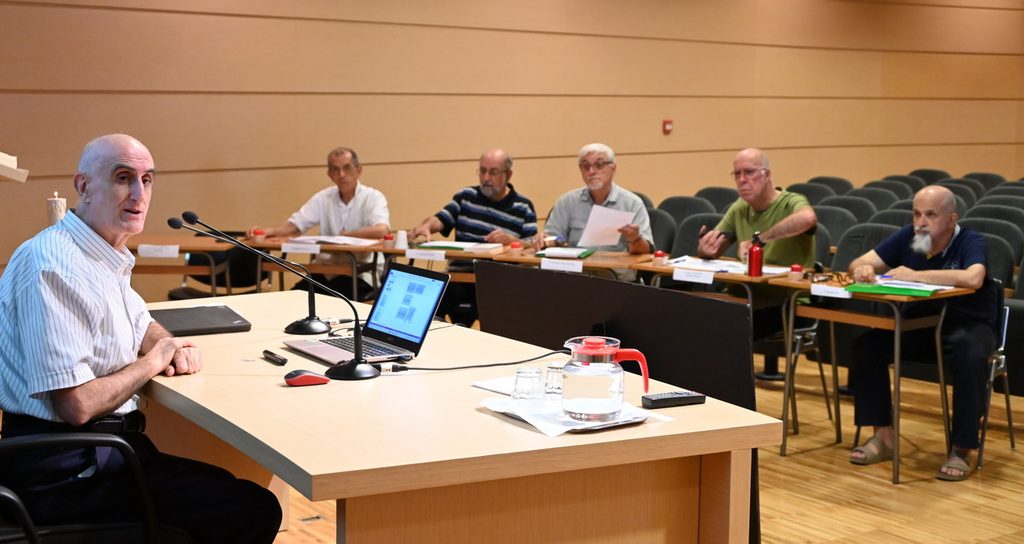
The G50’s objective was to guide the wonderful seventy-year-old missionaries into this new stage of life; not as retirees struggling with the infirmities of age, but as true ‘influencers’ in the Lord’s vineyard, capable of bearing fruit that is still good and flavorful.For the grand finale, we played two trump cards by enlisting a pair of exceptional professionals: Dr. Augusto Cedrone (straight from the Vatican’s medical service) to handle body maintenance, and Father Giuseppe Crea (a Comboni missionary and psychotherapist) to look after the mind’s software.
By Giacomo Mazzotti*
It was two mornings (September 22 and 23) packed with energy, featuring practical advice, expertise, and “dreamlike” cartoons that really put us to the test. We blended their insights to create a life-saving “therapeutic package insert” a collection of health tips that are perfect for us, yet incredibly useful for our proverbial “twenty-five thousand readers” who haven’t yet joined the Over-70 club!
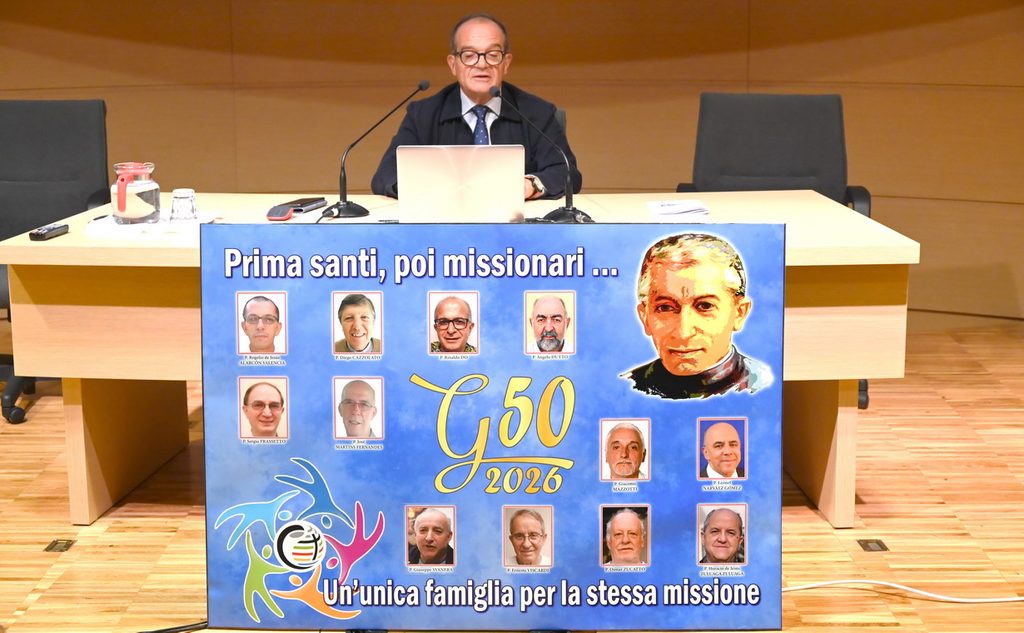
The result? A unique, unconventional article; distinct from our previous ones, which, judging by the polls, were quite a hit.
If you’ve passed the 65-year mark, know that you haven’t entered the waiting room for life’s sunset, but rather a biological playground divided into three convenient zones: The Indestructibles (65–75 years old), who outrun thirty-somethings and have schedules busier than a corporate executive’s; the Moderately Supported (75–85 years old), where a little help comes in handy and there’s no shame in asking for it; and the High-Octane Super Seniors (over 85), the neighborhood’s undisputed bosses.
So, forget the cliché of the sad grandpa staring at a construction site. Science is clear: the brain doesn’t retire, and neuroplasticity is still working wonders. Sure, every now and then you’ll forget where you put your glasses (even though they’re right there on your head), but as long as you can manage your bank account and drive without knocking over fire hydrants, you’re officially a member of the “Mild but Charming Decline” club.
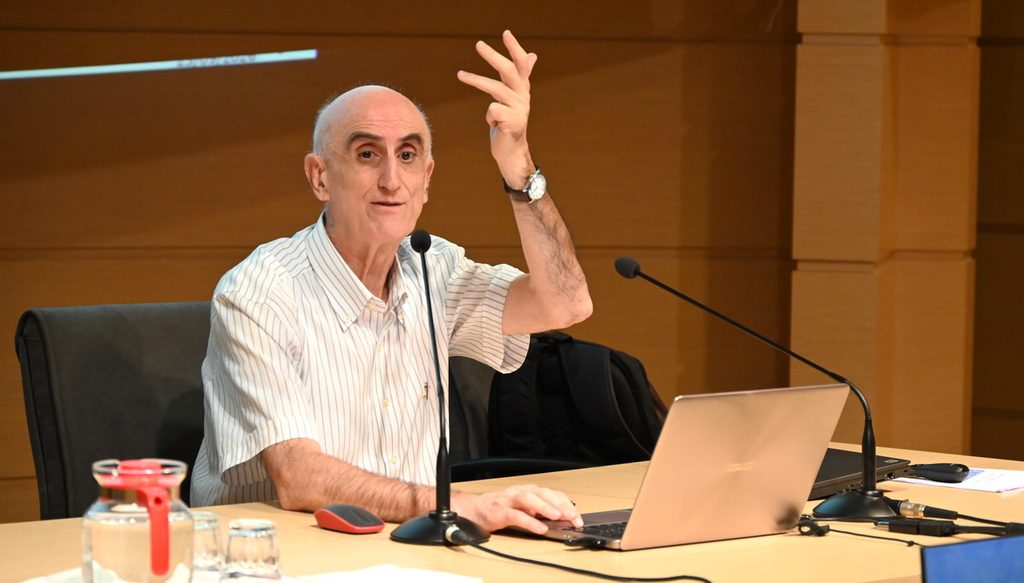
To keep this vintage engine purring, here is your personal longevity manual: a tongue-in-cheek guide where pearls of wisdom alternate with daily tips to keep you from ending up on the scrap heap.
The Golden Years: A Map of Critical Areas
Aging isn’t a sudden event, but a process that requires awareness. Facing this stage of life with the right tools allows you to neutralize four systemic vulnerabilities:
Health and well-being: As the years go by, body maintenance becomes a top priority for preserving your independence.
Social integration: Staying connected and feeling like an active part of a community is the most powerful life-saving medicine for psychological well-being.
Safety and comfort: Adapting your home environment by eliminating physical hazards is crucial for preventing accidents and living with total peace of mind.

Tip #1: Get moving (no excuses)
We aren’t asking you to sign up for the New York Marathon, but the sofa remains your absolute worst enemy.
– Instructions: Walk for 30 to 60 minutes a day. You can do this under the guise of buying the newspaper, doing some light yoga, or engaging in the classic pastime of supervising public construction sites. Moving lowers blood pressure, stabilizes cholesterol levels, and makes you feel less stiff when you wake up.
– Bonus: Quit smoking and drastically cut back on alcohol. Your lungs will thank you, and you’ll have plenty of breath left to scold the youth of today.
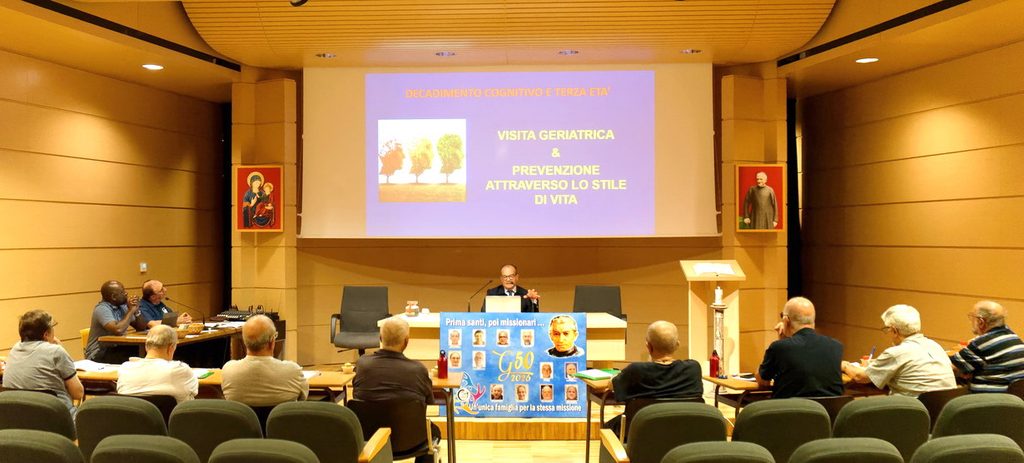
Shattering Prejudices: The Reality of the Facts
Society tends to associate old age with a set of rigid stereotypes: the belief that all older adults are sick and frail, that their later years are a time of pointless decline, that they can no longer learn new things, and that loneliness is inevitable.
Clinical and social realities categorically refute these clichés:
– Prevention and a healthy lifestyle enable the majority of people over 65 to lead active, independent, and deeply fulfilling lives.
– Later life is often a period of great personal fulfillment, a time to discover new passions and make an invaluable contribution to the community.
– Neurons do not stop working together; continuously learning new skills is entirely possible and serves as a cornerstone for keeping the mind young and healthy.
Tip No. 2: Fuel for the engine (say goodbye to chili peppers!)
There is an ironclad biological rule: what is good for the heart is also good for the prostate and the brain. Unfortunately, this rules out almost everything that makes a human being happy at a Sunday barbecue.
– Green light for: fish, plenty of vegetables, whole grains, and that drizzle of olive oil that screams “high-end Mediterranean diet.”
– Red zone (consume sparingly): chili peppers, beer, cured meats, spices, fatty cheeses, and fried foods. If your prostate could speak, it would tell you that a platter of spicy cured meats at midnight is a formal declaration of war.
Prevention: the ultimate maintenance manual
It is not a matter of treating symptoms as they appear, but of anticipating them. Effectively managing the various clinical conditions one may encounter along the way requires a structured medical strategy based on a few, but essential, specialist appointments:
– Regular cardiac check-ups: To monitor heart function and the vascular system.
– Periodic geriatric assessment: Crucial for the early detection of the very first signs of potential cognitive decline.
– Meticulous attention to lifestyle: Daily routine is the most powerful medicine at our disposal.

Tip No. 3: The anti-stress shield and the mental gym
The heart takes a heavy toll from psychological tension. At a certain age, getting angry over traffic or politics is a luxury we can no longer afford.
– Shock therapy: Meditate, take walks in nature, and learn the art of not letting the little daily hiccups bother you.
– Software maintenance: Surround yourself with friends and activate your “synapses” those invisible connections that exchange data within our nervous system (and forgive the display of brainpower!).
Learn to use a smartphone: it’s not an alien monster; it’s the perfect tool for driving your grandkids crazy by sending them “super-duper good morning” messages on WhatsApp. You can fight loneliness by remaining desperately curious.
Advice from a geriatrician (a serious one)
Prevention is definitely better than cure. Schedule your regular health check-ups:
– Constant monitoring: Keep a close watch on your blood pressure and cholesterol levels. They are the silent snipers responsible for heart attacks and strokes.
– The trio of check-ups: Once a year, schedule a cardiology appointment, a urology appointment, and a geriatric assessment to ensure your memory remains sharp and clear.
Old age is by no means a shipwreck; it is simply a wiser voyage. Treat your body well, and it will take you much further still.
And finally
Our existence on earth is a time of initiation into life, it is life itself, yet it leads us toward a fuller life, an initiation into that fullness; a life that finds its fulfillment only in God. We are imperfect from the start, and we remain imperfect until the end. In the fulfillment of God’s promise, the relationship is reversed: the space of God, which Jesus prepares for us with such care, transcends the time of our mortal life. Thus, old age brings us closer to the hope of this fulfillment. Old age finally grasps the true meaning of time and the limitations of the place where we experience our initiation. (Pope Francis).
The Chair. – You, too, should care for your chair (for prayer, reading, welcoming others, resting…). The advice from missionary and psychotherapist Giuseppe Crea invites us to view the chair not merely as an object, but as a mental and emotional space of awareness.
In our fast-paced world, the chair becomes a physical place where we intentionally choose to pause and care for ourselves. Whether for reflection (prayer), enrichment (reading), openness to others (welcoming), or renewal (resting), “caring for the chair” means protecting one’s time, slowing down, and rediscovering the dimension of inner listening and presence to oneself.
*Father Giacomo Mazzotti, IMC, G50 Course Communications Team.