The ecclesial development of the Apostolic Vicariate of Meki represents a significant example of the transformation of a missionary territory into a mature local Church in Ethiopia. This evolution reflects the broader development of Catholic missionary activity in Africa and the gradual assumption of ecclesial responsibility by the local clergy, religious, and lay faithful.
By Ashenafi Yonas Abebe *
The Consolata Missionaries played a fundamental role in establishing and nurturing this local Church through evangelization, formation, and pastoral service. Their missionary work helped shape a local ecclesial community rooted in local cultures and open to the universal Church.
The history of Meki illustrates how collaboration between missionaries and local communities fostered a sustainable, self-reliant local Church. It offers a meaningful expression of Saint Joseph Allamano’s prophetic missionary vision: a Church founded through missionary service, strengthened through integral formation, and entrusted to the responsibility of its own sons and daughters.
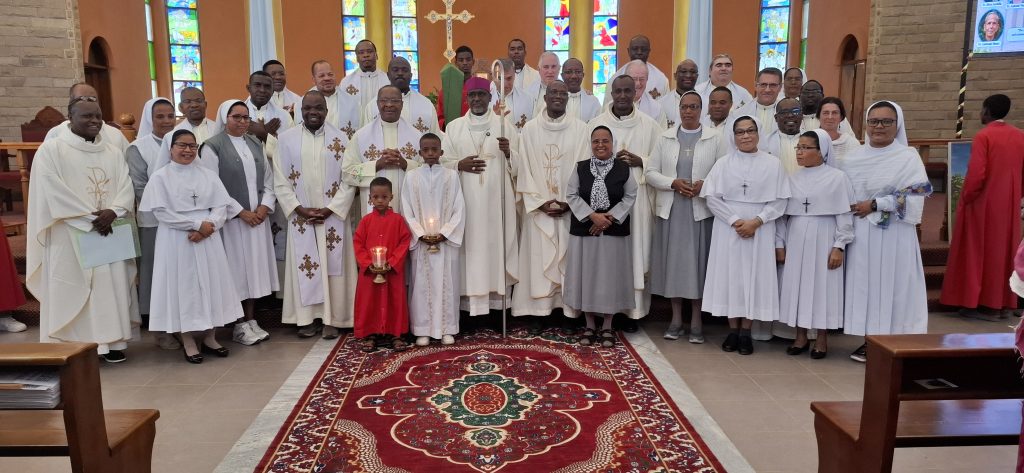
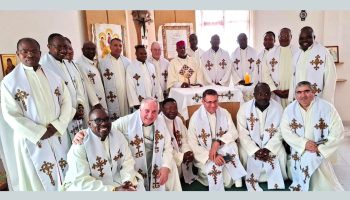
On the occasion of the Thanksgiving Mass celebrated, on 11th of October 2026, (Photo above) for the gift of the canonization of Saint Joseph Allamano and the 35th anniversary of the erection of the Apostolic Vicariate of Meki, the following PDF offers a brief, archive-based historical overview of the principal stages in the ecclesial development of the local Church, highlighting both its growth and the continuing role of the Consolata Missionaries in its life and mission.
* Father Ashenafi Yonas Abebe, IMC, Doctor of Sacred Theology; Licentiate in Church History from the Pontifical Gregorian University; Deputy Director of the Historical Office of the Consolata Missionary Institute (IMC), Rome.