Having launched the “Year of Community life” recently, it is important to look into the crucial relationship between the Church and religious Institutes in the world, since we make part of the people of God. One undeniable fact is that Religious life is a vital part of the Church and lives in the world.
By Jonah Makau *
The values and counter-values which ferment within an epoch or a cultural setting, and the social structures which manifest them, impinge on everyone, including the Church and its religious communities. For a long time, Religious communities have found themselves having to choose either constituting an evangelical leaven within society, or succumbing by decline quickly or slowly. They become evangelical leaven by announcing the Good News in the world and by proclaiming the heavenly Jerusalem here and now. On the hand, they succumb by simply conforming to the world. For this reason, if we want to live better the gift of religious life and be a transforming power in the church and in the world, a deep reflection and new proposals on “fraternal life in common” must take this existential framework into account.
Over the years, there has been efforts to understand better religious life and its evolution, but it is the Second Vatican Council that contributed greatly to a re-evaluation and to a renewed vision of what today we can call “fraternal life in common”. That is religious community. Today it is clear that more than any other factor, it is the development of ecclesiologywhich affected the evolution of our understanding of religious community. In fact, Vatican II affirmed that religious life belongs “undeniably” to the life and holiness of the Church and placed it at the very heart of the Church’s mystery of communion and holiness. Today we know that the Religious community participates in the renewed and deepened vision of the Church. This has several consequences.
First, this whole effort underlines the mystery dimension of religious life. Religious community is not simply a collection of Christians in search of personal perfection. Much more deeply, it is a participation in and qualified witness of the Church-Mystery, since it is a living expression and privileged fulfilment of its own particular “communion”, of the great Trinitarian “koinonia”, in which the Father has willed that men and women have part in the Son and in the Holy Spirit.In other words, we can say that there has been a transition of understanding from Church-Mystery perspective to the mystery dimension of religious community.
Second, the whole effort underlines the communal-fraternal dimension of religious community. Religious community, in its structure, motivations, distinguishing values, makes publicly visible and continually perceptible the gift of fraternity given by Christ to the whole Church. For this very reason, it has as its commitment and mission, which cannot be renounced, both to be and to be seen to be a living organism of intense fraternal communion, a sign and stimulus for all the baptised. In other words, the fact of being sons and daughters of the same father, sharing the same spirit, bound by the same law of love, and inspired by the same charism, makes religious people brothers and sisters in Christ. Given that even the different religious communities find themselves in the same church, means that regardless of the differences in their charisms and their founders, the members of any religious Institute are members of the people of God. This therefore underlines the communal-fraternal dimensionof religious community, instead of focusing on the Church-Communion perspective that dominated people’s viewpoint for years.
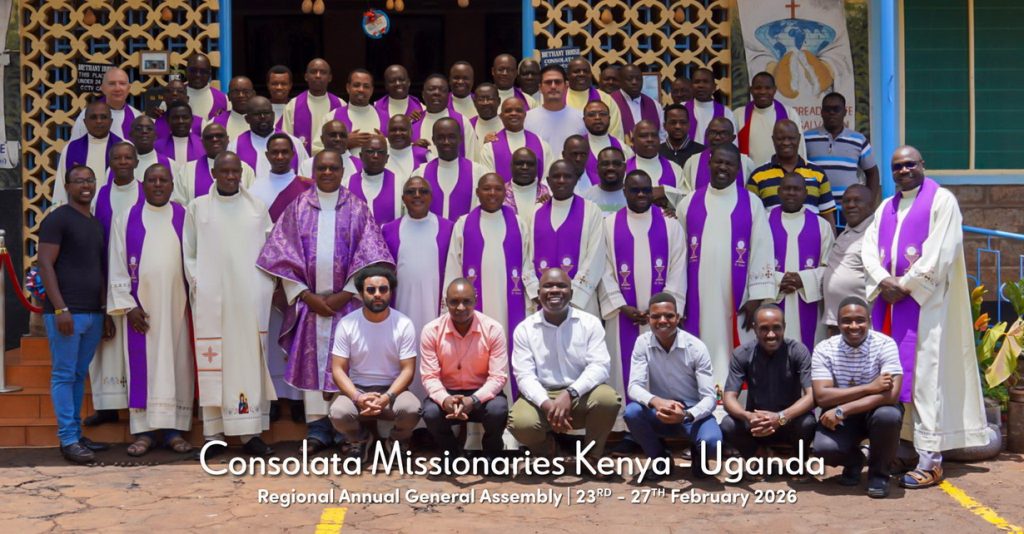
Third, the whole effort to understand the church better and religious life deeper underlines the charismatic dimension of religious community. Religious community is a living organism of fraternal communion, called to live as animated by the foundational charism. It is part of the organic communion of the whole Church, which is continuously enriched by the Spirit with a variety of ministries and charisms. Those who enter into such communities must have the particular grace of a vocation. In practice, the members of a religious community are seen to be bound by a common calling from God, in continuity with the foundational charism. They are also boundby a characteristically common ecclesial consecration, and by a common response in sharing that “experience of the Spirit” lived and handed on by the founder and in his or her mission within the Church.
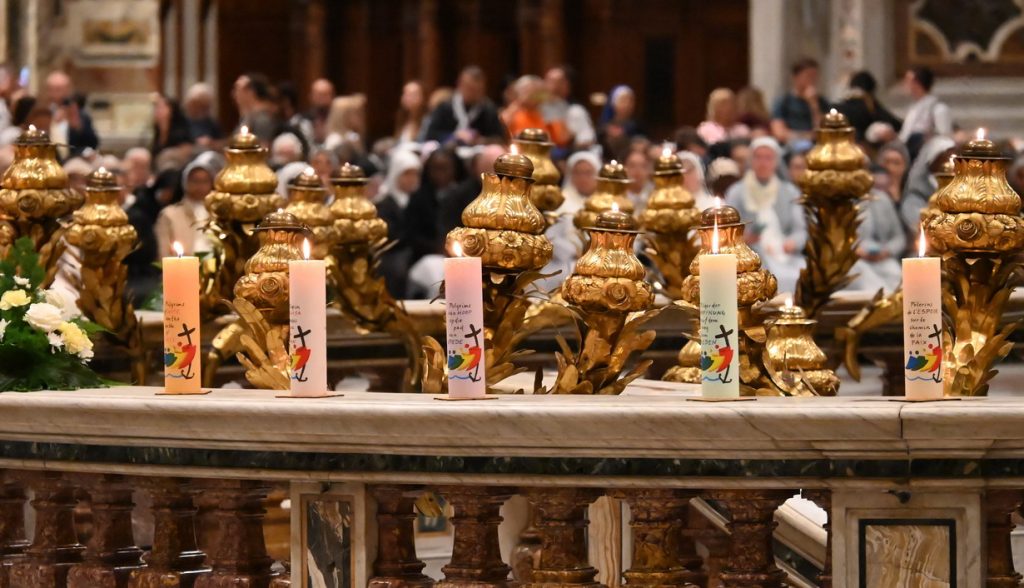
The Church also wishes to receive with gratitude “the more simple and widely diffused” charisms which God distributes among her members, for the good of the entire Body. As such, the Religious communities exist for the Church, to signify her and enrich her. They also exist for the church to render them better able to carry out their mission. In other words, today we can categorically affirm that there has been a transition of focus from a Church animated by charisms to the charismatic dimension of religious community, which enriches the same church.
Finally, the effort to understand better the bond between the Church and Religious communities, underlines the apostolic dimension of religious communities. The apostolic dimension of religious life points to the fact of being sent. It underlines the outward focus of the reason for the existence of religious Institutes. Generally, the purpose of apostolate is to bring humanity back to union with God, and to unity among itself, through divine charity. This simply means that the Religious community is sent by God to spread the gospel and to establish the kingdom of God on earth. Fraternal life in common, as an expression of the union effected by God’s love, in addition to being an essential witness for evangelization, has great significance for apostolic activity and for its ultimate purpose. It is from this that the fraternal communion of religious community derives its vigour as sign and instrument.
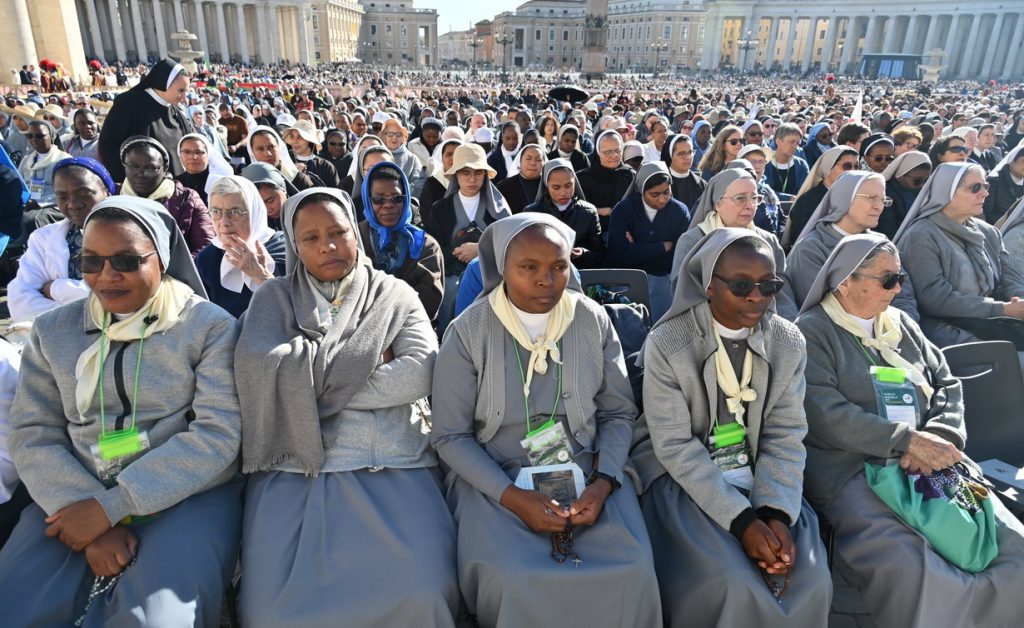
In fact, fraternal communion is at both the beginning and the end of apostolate. This is another way of saying that any meaningful apostolate requires communion, collaboration and hence harmony of the involved persons. It also requires the members of the Religious family to be convinced that they have spiritual authority and mandate from God to work in his vineyard. As you can you see, with the evolution of the understanding of religious life, there has been a shift from focusing on the Church as Sacrament of unity, to the apostolic dimension of religious families, which emphasizes their spiritual mandate. As we celebrate this year of community life, let us ask God through the intercession of our Founder St. Joseph Allamano, to re-awaken the charismatic dimension of our communities, so that we may perfectly fulfil our apostolic assignments diligently.
* Fr. Jonah M. Makau, IMC, Postulation and History Office, Rome