A Missionary Reflection on His Legacy of Hope.
Yesterday we marked the first anniversary of the death of Pope Francis. Across many countries of the world, ecclesial communities remember him in prayer. As we reflect again on his words, his gestures, and the path he walked, we are led to ask once more a simple question: What did he leave to us?
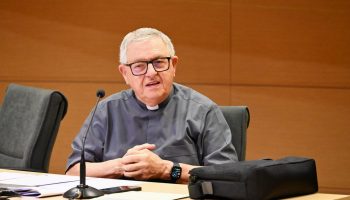
By Kyoung Ho Han*
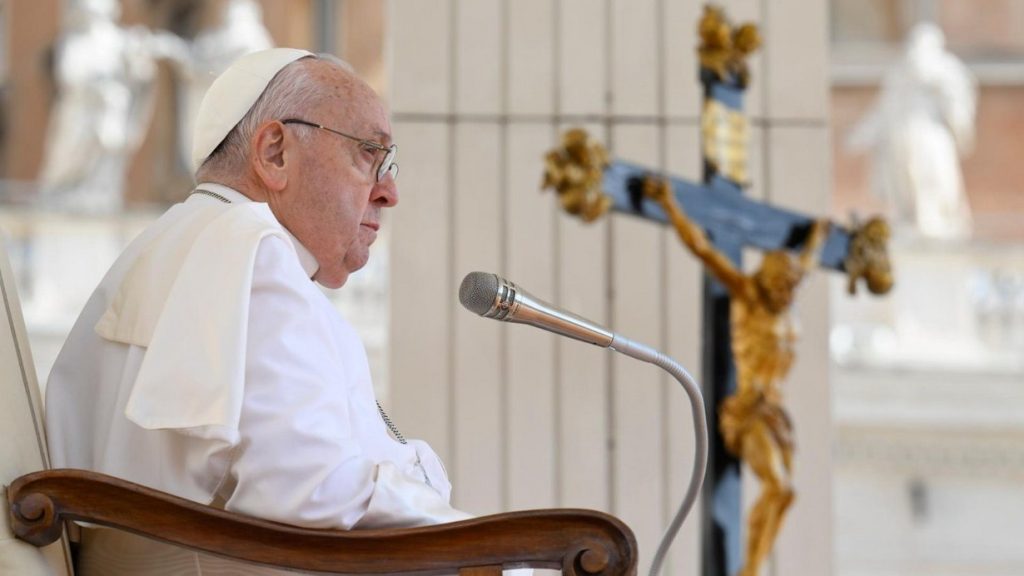
The legacy of Pope Francis is not simply a collection of documents or pastoral decisions. Rather, it is a path. And that path was the Way of the Cross.
The cross he carried was not outside the Church, but within the Church itself. He did not remain comfortably within the structures and customs of ecclesiastical institutions. Instead, he willingly carried the cross of renewal and reform, seeking to make the Church new again.
A Reformer and a Prophet
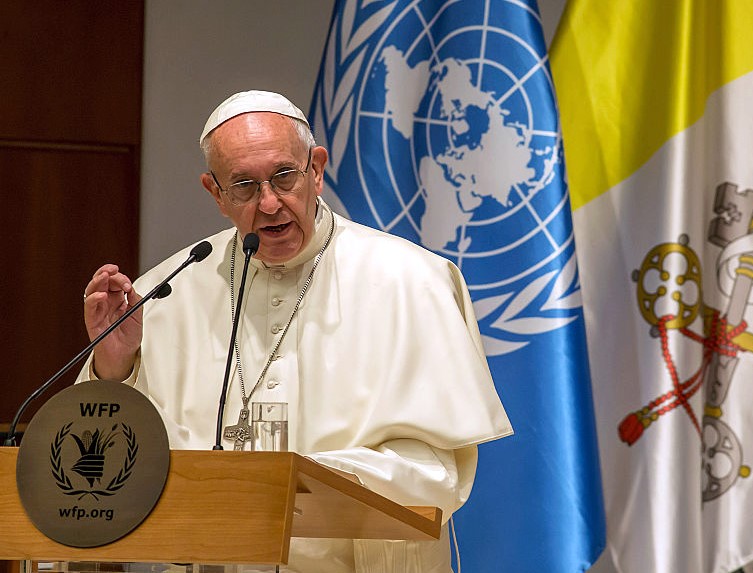
Pope Francis was not merely an administrative reformer.
He was a shepherd with a prophetic voice.
As one religious sister once said, a consecrated person is:
“a watchman of the night, one who stands on the side of the poor and the defenseless.” Pope Francis lived precisely this way.
He spoke of reform not only from the head of the Church but also from its members. Reform is not something that comes only from policies imposed from above. Rather, it is a journey that the entire People of God must walk together.
For this reason, he constantly criticized clericalism.
The Church is not the Church of clergy alone, but the Church of the People of God.
He often reminded us: The Church must not remain closed in on itself, but must go out of itself.
A Pope Who Went to the Peripheries
The pastoral ministry of Pope Francis always began from the peripheries.
His first apostolic visit was not to Rome’s center nor to the heart of Europe, but to the island of Lampedusa, to remember the migrants who had died in the Mediterranean Sea.
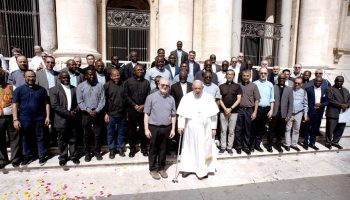
And on Holy Thursday, he repeatedly chose to visit prisons. Just a few days before his death, despite his fragile health, he made a brief visit to a prison on Holy Thursday. When a journalist asked him about it, he replied with deep emotion:
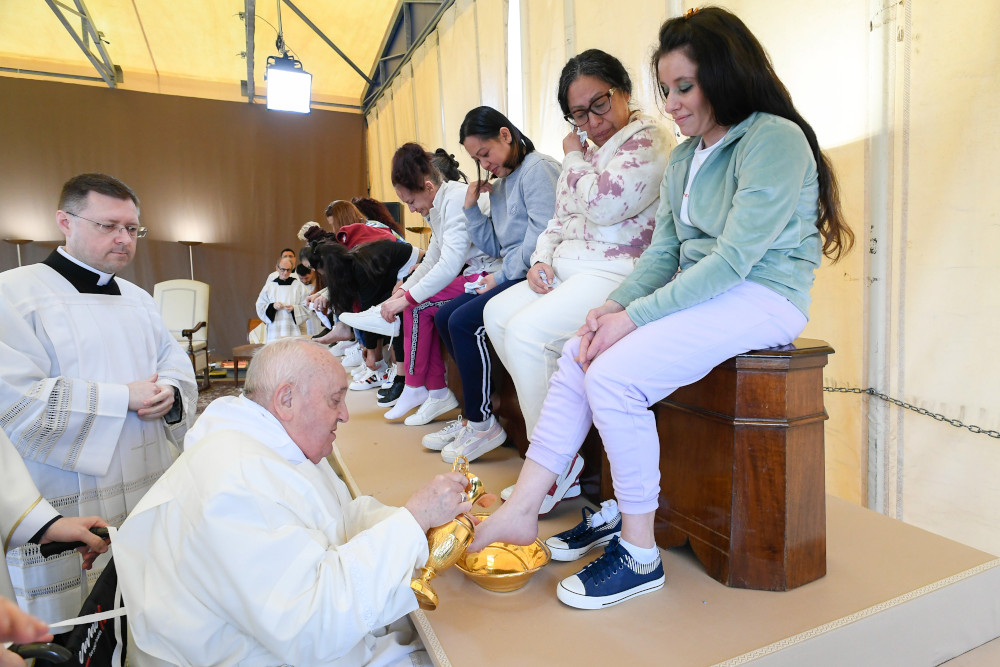
“Why should it be them and not me? I should be there.” Within those words lies the heart of the Gospel. For him, truth was not an abstract theory. Truth was encounter.
The Spirituality of Communion and Encounter
Pope Francis’ understanding of the Church can be summarized in one expression: The Church of Encounter.
He often said: “Truth is encounter.” The Church does not exist merely as a program or strategy. It exists as a community where people meet one another and experience the mercy of God.
That is why he encouraged us:
“Become experts in the mercy of God within the community.” Mission does not begin with creating new programs. Mission begins with meeting people and sharing life with them.
The Three Pillars of Consecrated Life
Pope Francis often reminded religious and missionaries of three essential pillars of consecrated life. they all begin with the letter P: Prayer, Poverty, Patience.
Without prayer, mission cannot exist. Without poverty, the Gospel loses credibility. Without patience, mission cannot endure.
He spoke strongly about this: “If we do not live the poverty of consecrated life, we become hypocrites. And the victims of that hypocrisy are the People of God.”
A Church of Journey and Discernment
Pope Francis did not see the Church as a finished structure. The Church is always a community on the road. He described faith in this way: Faith means moving forward.
Evangelization is the same. It is not a marketing strategy, but the lived reality of the Sermon on the Mount. It takes place through a way of life marked by: hospitality, poverty, solidarity and mercy. For this reason, he constantly emphasized discernment.
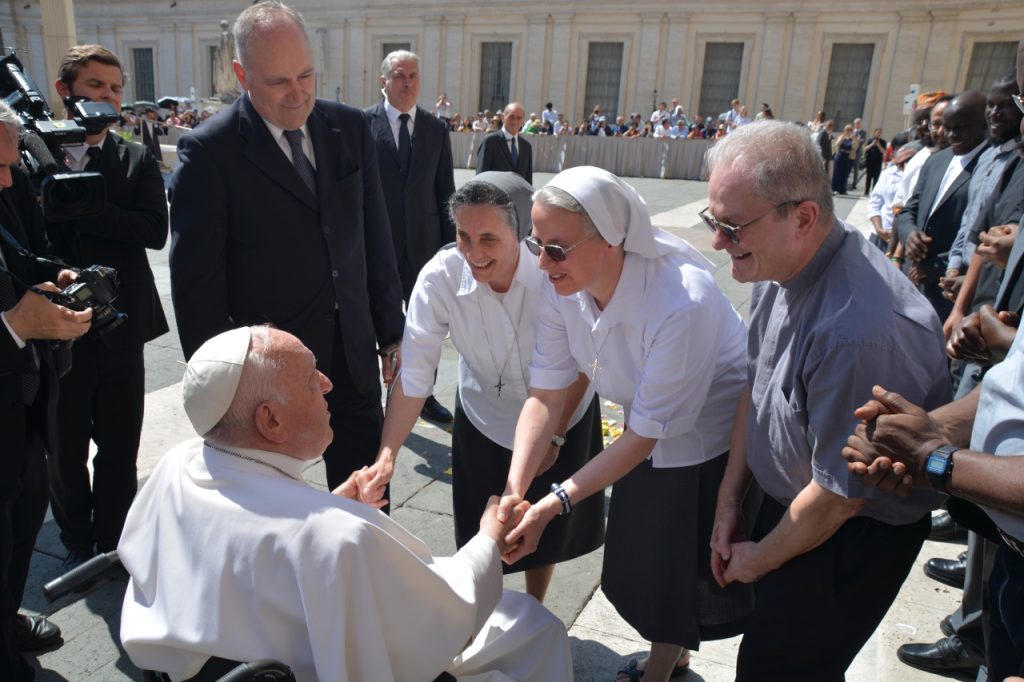
The world is like a labyrinth, and the Church stands at many crossroads. What we need is not merely a fixed program, but a journey of discernment with God.
The Path of the Missionary
Mission does not begin in places of prestige. Pope Francis reminded us that mission often begins in hidden places. Like an arrow hidden in the quiver, it begins in places where no one is looking.
For this reason he said: Priests and missionaries are not those who monopolize answers. They are companions of the nameless.
Mission is not carried out from the center. It is born in the wounded peripheries.
The Question Left to Us Today
On this first anniversary of his death, we must ask ourselves: What path is the Church in Korea walking today? At times we must ask whether we have become a lukewarm Church. The Church of the coming era must be:
a Church that walks with the laity
a Church that moves beyond clericalism
a Church that goes to the peripheries
a Church of encounter
Three Memories That Will Endure
The legacy of Pope Francis will be remembered above all in three ways. First, the courage of renewal: the courage to carry the cross in order to renew the Church.
Second, mission toward the peripheries: A Church that stands beside the poor and those who suffer.
Third, the spirituality of encounter: A Church that meets people and walks with them.
Conclusion
Today we remember Pope Francis. Yet the deepest way to remember him is not simply to quote his words, but to walk the path he walked.
The Way of the Cross.
The path toward the peripheries.
The path of encounter.
That path has not ended. Now it has been entrusted to us.
* Father Kyoung Ho Han, IMC, member of the National Reconciliation Commission