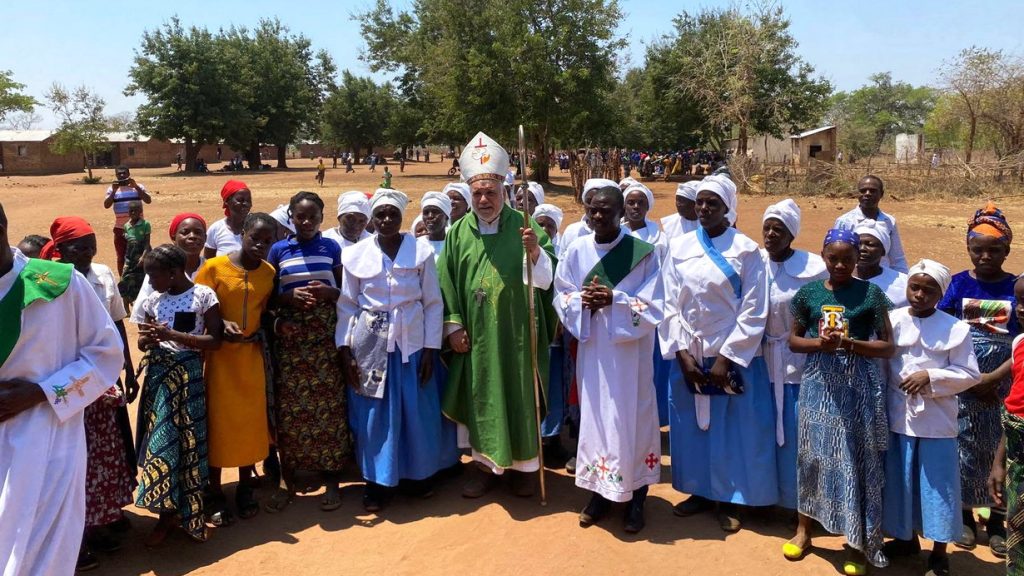
Bishop Diamantino Antunes serves in a diocese of 101 thousand square kilometers – larger than mainland Portugal and its islands. The prelate works for evangelization and for the growth of responses capable of restoring hope to that people.
With a predominantly young population, Mozambique faces a great challenge: the lack of opportunities for those seeking to build a future. This is a reality that deeply concerns Diamantino Antunes, a Portuguese Consolata missionary and bishop of Tete for seven years. “For me, the greatest challenge – and what worries me most – is that the population is very young: more than half are under 18 and are in school, but there are no prospects, there is no work, and opportunities are very few,” lamented the prelate, in statements to the magazine Fátima Missionária.
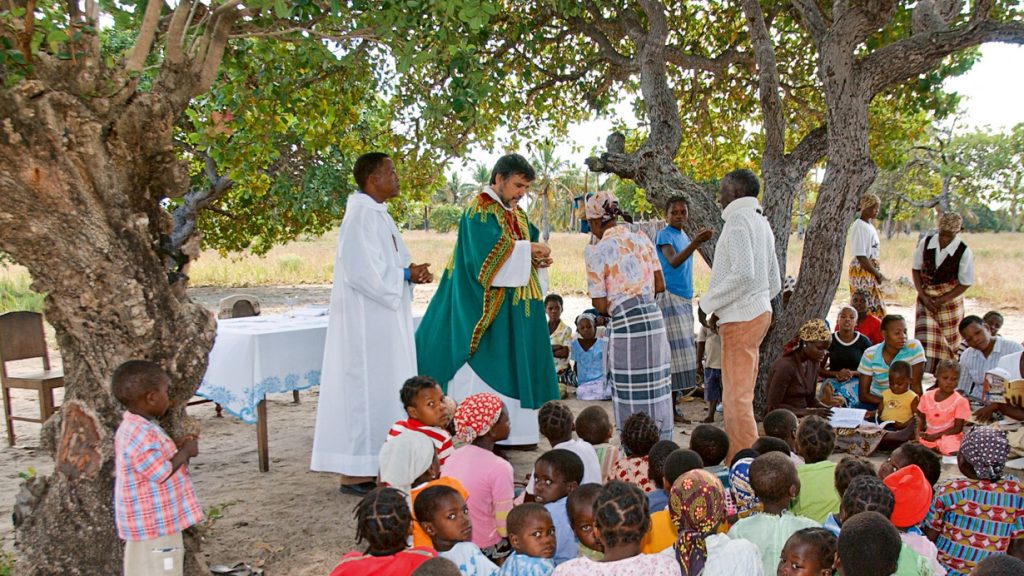
To the lack of opportunities is added “corruption and the lack of a national project.” For the 59-year-old bishop, a native of Albergaria dos Doze, Leiria, “Mozambique is being penalized by an elite that thinks only of itself and does not think of the common good.” According to the bishop, who has 29 years of missionary work in Mozambique, “there is a lot of individualism” and the country faces a “major economic crisis due to mistakes and the accumulation of wealth among the few, leaving many people without the essentials.”
Education is another critical sector. “There has been an effort at expansion, but the quality is very low. Students advance without minimal knowledge, and there are classes of 70 or 80 students, often in precarious conditions.” When he arrived in the country in 1992 to do his pastoral internship, there was only one university; today there are 60, “but of very questionable quality.” Access to employment, he adds, “often does not depend on ability, but on corruption and favoritism.”
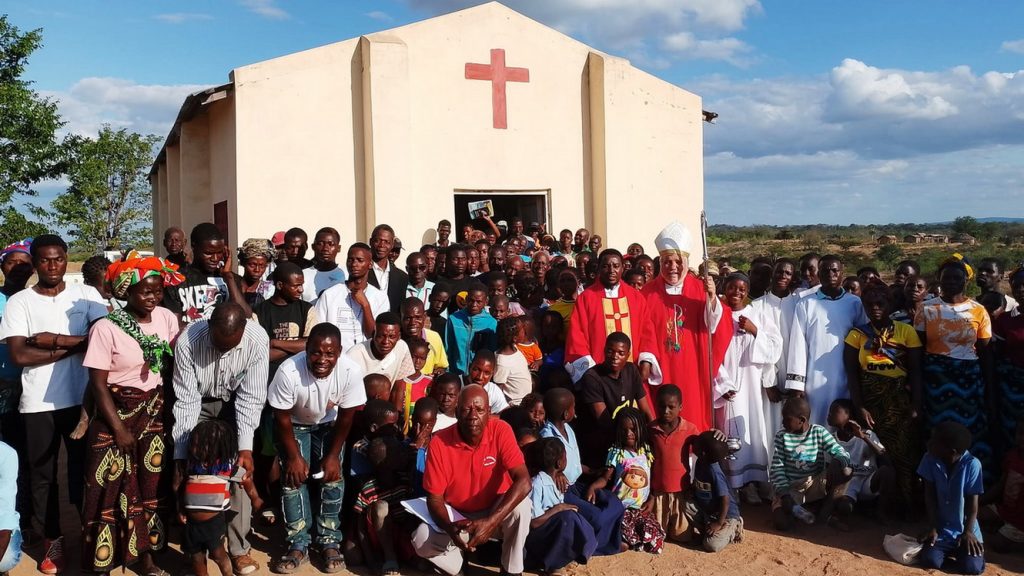
For the bishop, who was ordained a priest at 27 at the Shrine of Fátima, “the country is rich; the problem is the distribution of wealth.” “There is much injustice and also worrying regional disparities: the areas richest in natural resources are, paradoxically, those where human development is lowest and poverty most acute.”
One of the diocese’s most significant responses has been the establishment of the “Fazenda da Esperança” (“Farm of Hope”), a Catholic therapeutic community founded in Brazil 35 years ago, dedicated to the recovery of people struggling with drug and alcohol addiction. The first unit, for men, opened in 2020 in Zóbue, in a refurbished former seminary; the second, for women, was inaugurated in 2023 at the mission of Boroma. Recovery is based on prayer, work, and community life. “There is no medication. There is family, listening, and the discovery of a meaning they never had.”
The fazendas also include preschools, and in Zóbue a primary school is being built that will eventually grow to include secondary education. The project gained momentum thanks to the support of a businessman who, after seeing a nephew recover from drug addiction in Brazil, decided to fund the expansion of the initiative in Tete. The impact is visible: illiterate parents, who speak a local dialect and do not know Portuguese, make a point of sending their children to school, and many children end up teaching Portuguese to their own mothers.
The students’ formation is meant to be integral. The bishop of Tete recalls with humor the case of a student who found an egg laid by a hen belonging to the sisters of the Sementes do Verbo community – who are responsible for teaching at the Boroma mission – and made a point of returning it, later being awarded the “Honesty Prize.” Besides education and rehabilitation, the fazendas develop agricultural projects, such as a community silo that allows maize to be stored and sold at fairer prices, preventing families from being forced to sell off their harvest immediately after production.
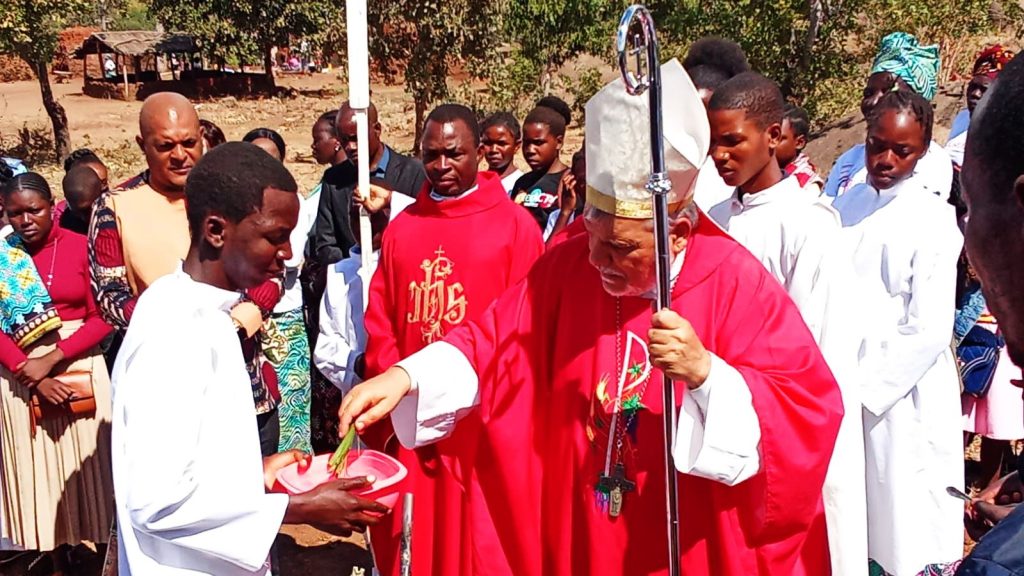
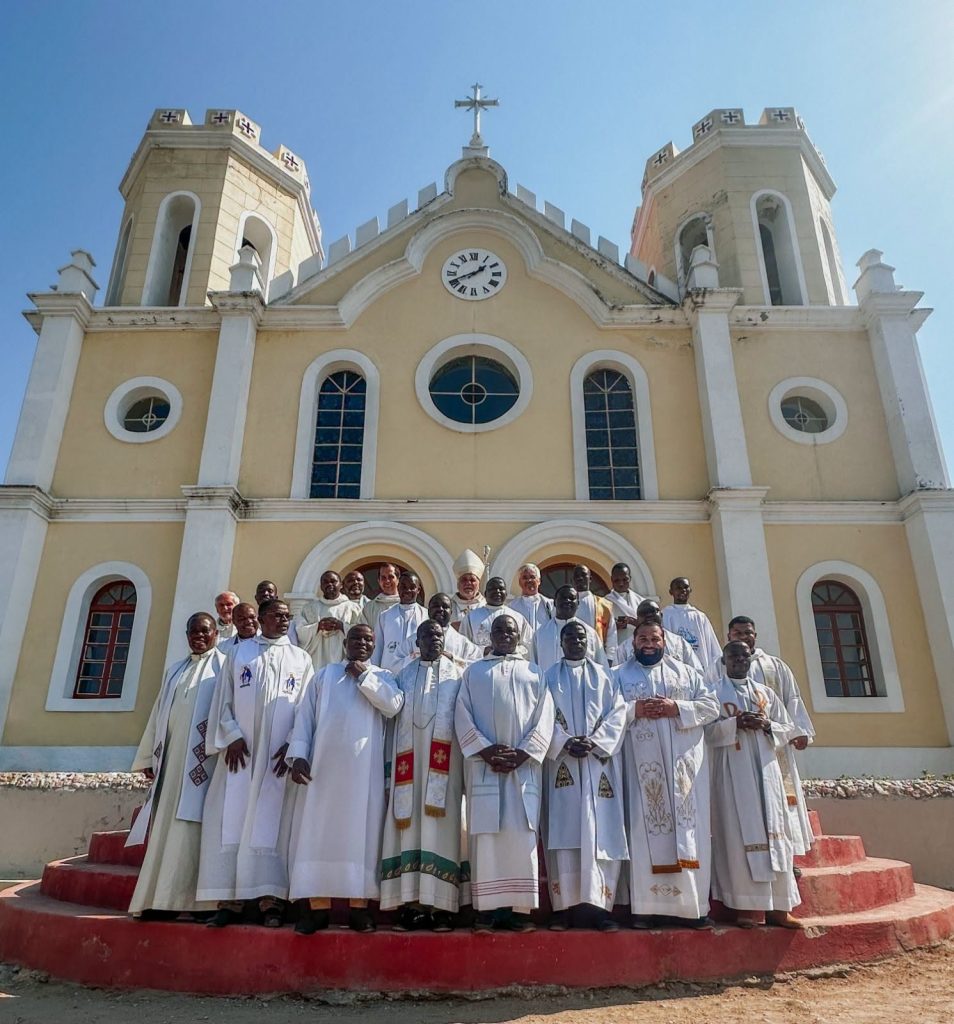
In addition to its contribution in the fields of education and health, the diocese of Tete – where the first Consolata Missionaries sent by Saint Joseph Allamano to Mozambique arrived 100 years ago – is committed to consolidating the presence of the Catholic Church throughout the diocesan territory through the opening of new parishes, “providing them with missionaries and the necessary infrastructure.” The prelate emphasizes that there is “great commitment” to the “formation of the diocesan clergy and pastoral agents, namely catechists.”
* Juliana Batista is a journalist for Revista Fátima Missionária