
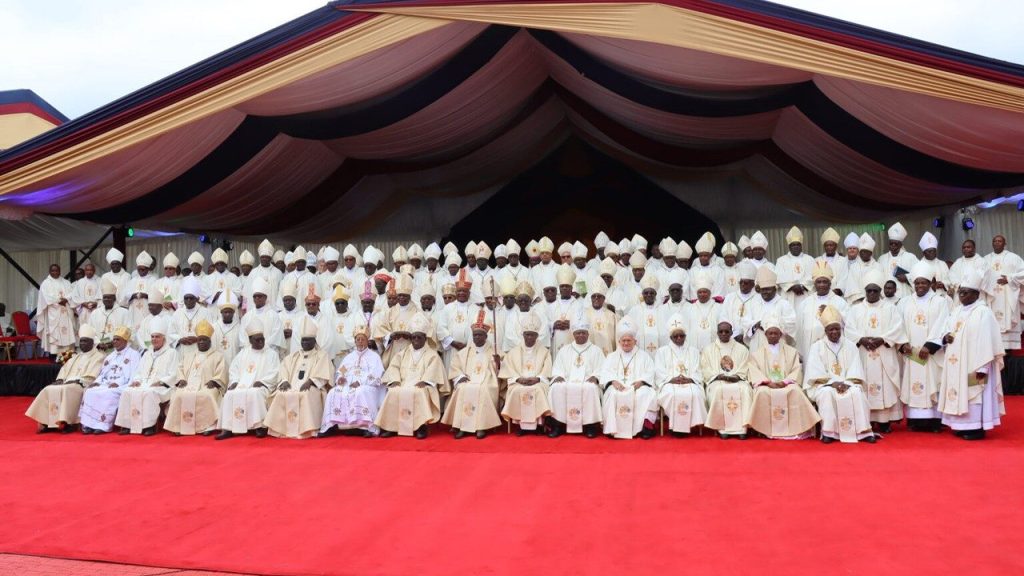
At the conclusion of the 21st Plenary Assembly of the Association of Member Episcopal Conferences in Eastern Africa (AMECEA) on Sunday, July 26, 2026, held from July 19 to Sunday, July 26, 2026, AMECEA issued a strong call to families, the Church, governments, political leaders, and all stakeholders of sustainable and integral human development to sincerely collaborate in accompanying, empowering, and creating an environment that enables young people to fulfill their calling in the Church and society at large.
By Fredy William
The theme that enriched the Celebrations of the 21st Plenary Assembly of the Association of Member Episcopal Conferences in Eastern Africa (AMECEA), bringing together more than 140 Bishops from 128 Dioceses, is: “AMECEA’s Synodal Journey with Young People: Building Bridges of Communion, Hope, Justice and Good Governance.” This assembly was celebrated at the Catholic University of Eastern Africa (CUEA) in Nairobi, Kenya. Praise and glory be to Jesus Christ, the Redeemer of the World, for it is in this context that AMECEA commemorated 65 years of unity, communion, and solidarity in pastoral activities and service to the People of God. This unity, established in 1961, is grounded in and embraces the diverse contexts of nine member countries: Eritrea, Ethiopia, Kenya, Malawi, Sudan, South Sudan, Tanzania, Uganda, and Zambia. It is worth noting that Djibouti and Somalia were invited as observer nations.
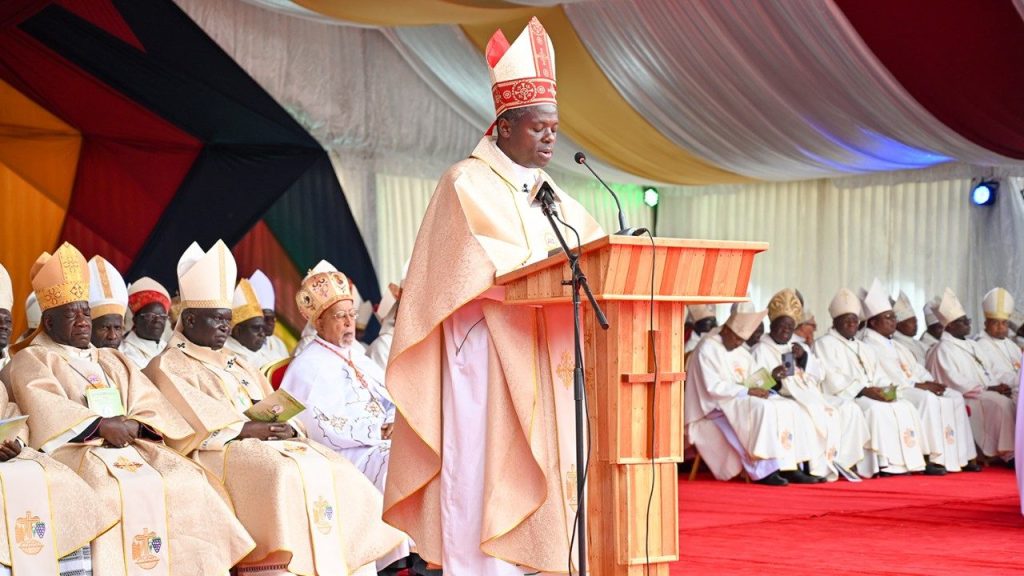
At the conclusion of the 21st Plenary Assembly, AMECEA issued a strong call to families, the Church, governments, political leaders, and all stakeholders of sustainable and integral human development to sincerely collaborate in accompanying, empowering, and creating a supportive environment for young people to fulfill their calling in the Church and society. This statement was delivered on July 26, during the celebration of the Holy Mass marking the climax of the 21st AMECEA Assembly, and was read by the Bishop of the Catholic Diocese of Karonga in Malawi, the Right Reverend Martin Mtumbuka, on behalf of the AMECEA Bishops.
In the statement, the AMECEA Bishops emphasize that the future of Eastern Africa cannot be built without giving young people the opportunity to participate fully in the life and mission of the Church and in societal development. They stated that youth should not be seen merely as beneficiaries of services, but as true partners in the life and mission of the Church and in the process of building social well-being. The Bishops urge Catholic faithful across all AMECEA member countries to welcome young people with love and grant them opportunities to participate in decision-making and leadership roles in apostolic and pastoral work. They appealed to Parishes, Small Christian Communities (SCCs), and all diocesan structures to foster environments that value the voice of the youth, while continuing to provide them with deep spiritual growth and formation rooted in Jesus Christ and the Social Teachings of the Catholic Church.
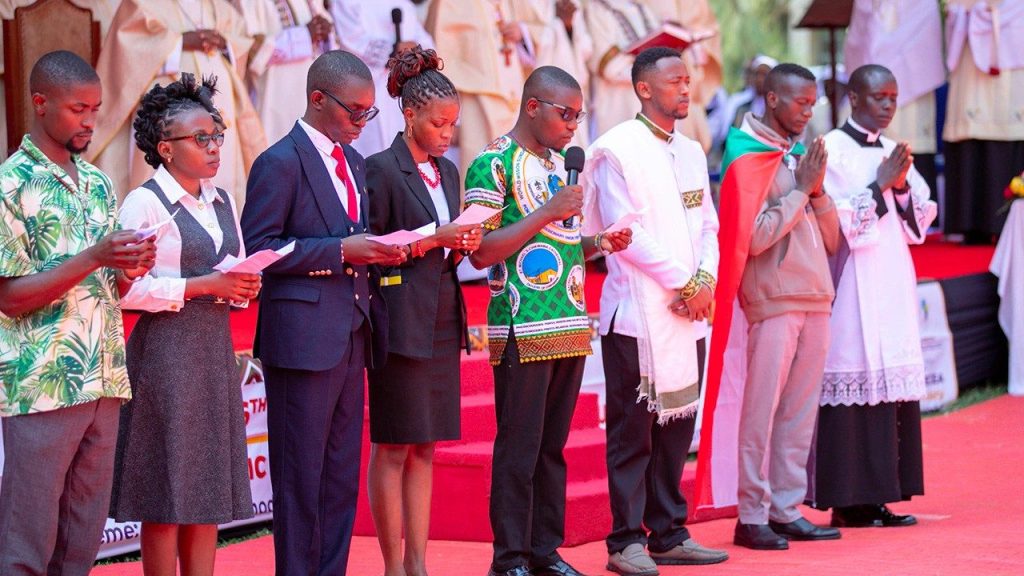
Furthermore, they directed their message to Governments and public authorities, urging them to continue enacting policies and frameworks that protect the dignity of every human being and expand educational opportunities for young people. They also underscored the importance of building an environment that enables entrepreneurship, decent employment, safe migration, and youth participation in civic activities, while encouraging leaders to strengthen a culture of dialogue and reconciliation to sustain the foundations of justice, peace, and conflict resolution. In a special way, the statement reminded political leaders of their duty to respect the dignity of young people. The Bishops noted that youth have voiced complaints about being used during election campaigns only to be abandoned once elections are over. They stressed that this trend must end, stating that young people should not be tools for advancing political interests, but rather partners with a lasting contribution to the prosperity and development of the nation. Moreover, Church leaders invited various development partners, different Churches and denominations, religious leaders, the private sector, and development organizations to collaborate in building strong pastoral, educational, psychosocial, and digital infrastructure to enable young people to grow in dignity, respect, knowledge, and faith.
“Youth are the Church of today”: In their message, the Bishops emphasized that young people are not merely the Church of tomorrow, but are already the Church of today. Referencing the teachings of the Apostle Paul to Timothy (1 Tim. 4:12), which encouraged young people not to let anyone look down on them because of their youth, but to set an example in speech, conduct, love, faith, and purity of life. In light of the synodal journey and the building of a Missionary Church, the AMECEA Bishops encourage young people to continue walking with Jesus Christ like the disciples on the road to Emmaus; to listen to the Word of God with hearts burning with zeal for the Gospel, to recognize Jesus Christ in the Holy Eucharist, and then return to their communities as witnesses of hope and the Gospel of Christ, walking in unity with the Bishops and the entire Church. “Young people are not only the future of the Church and society; they are already a living part of the Church today. They must be given the opportunity to participate, lead, and build a world of hope, justice, and peace.”
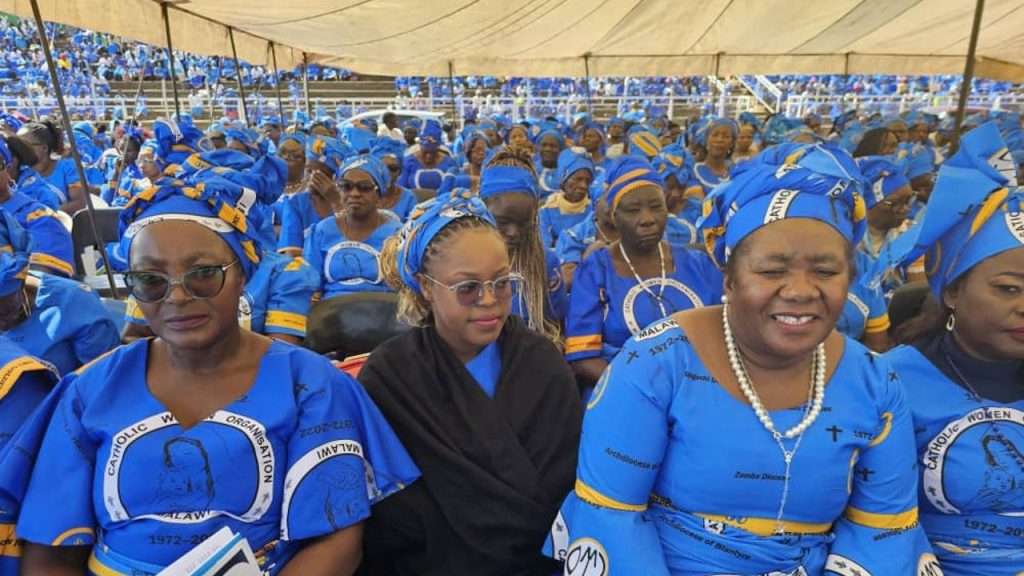
A call to build a generation of hope: Concluding the 21st AMECEA Plenary Assembly, the Bishops invite the faithful and all people of goodwill to continue praying for the Church and to collaborate in nurturing and empowering the youth of Eastern Africa. They expressed that through this collaboration, the Church and society will continue building bridges of unity, hope, justice, reconciliation, and good governance for the well-being, progress, and benefit of present and future generations. This message reflects AMECEA’s commitment to making youth ministry a pastoral priority now and in the years to come, inviting the youth themselves to be primary actors in the life and mission of the Church and in building an Eastern Africa characterized by justice, peace, solidarity, and sustainable, integral human development.