The earthquake as the trigger for a potential new migration crisis. The double seismic shock that shook La Guaira and parts of Caracas in Venezuela on June 24, 2026, did not just leave a deep trail of material destruction and thousands of human losses; it also activated a social time bomb.
By Juan Carlos Greco *
In a country already facing one of the most complex human mobility crises on the planet, this natural disaster now acts as a multiplier of vulnerabilities, threatening to trigger a new and unpredictable migratory wave.
Forced Internal Displacement
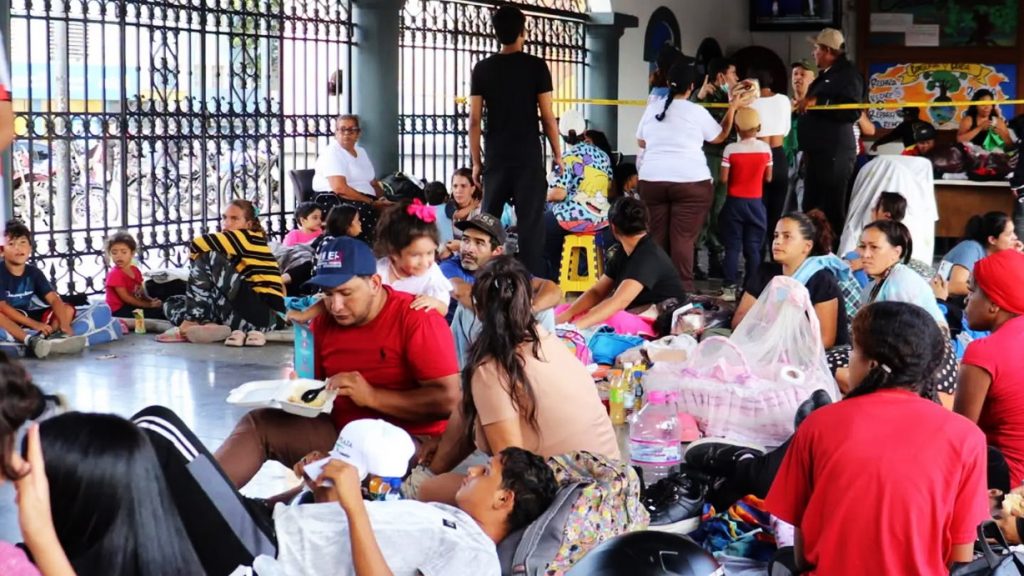
The crisis does not begin at the borders, but rather in the cracked streets of La Guaira and Caracas. With more than 18,000 people left homeless and tens of thousands urgently relocated to temporary camps, the earthquake has fractured the roots of entire communities.
Internal displacement is the first phase of the exodus. Families who have lost everything are forced to migrate to the country’s interior, saturating the already weakened public services of other regions, or to take shelter at the homes of relatives in less affected areas.
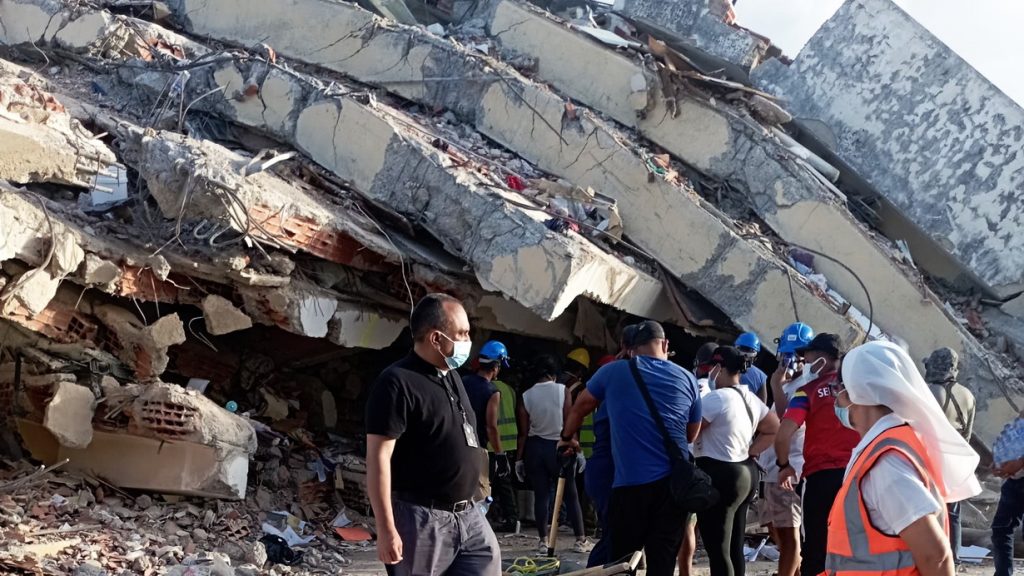
For many, temporary shelter is merely the anteroom to a more drastic decision: leaving the country. When a home or a small family business collapses, the final economic and emotional reasons to stay collapse along with them.
The Collapse of Routes and the Shift in Paths
A crucial logistical factor in this new reality is the severe damage suffered by Maiquetía International Airport, the country’s main aerial exit point. With the airport out of service due to structural damages, the option of a planned or regular migration by air has been reduced to a minimum.
Consequently, migratory flows will inevitably shift toward land routes. A substantial increase is expected in the number of people crossing on foot or via informal transport toward the borders of Colombia and Brazil. This not only increases the risk and vulnerability of migrants in the face of human trafficking networks and climate hazards (such as in the Darién Region), but also exerts immediate pressure on the reception policies of neighboring countries.
The Pressure of Remittances and the “Impossible Return”
The earthquake has also transformed the dynamics of the diaspora already living abroad. Those who were planning to return voluntarily, due to the tentative economic stabilization of recent years, have frozen their plans: no one returns to a territory undergoing reconstruction.
On the other hand, the economic burden on Venezuelans abroad has doubled. The urgency of sending money to pay for medical treatments, rebuild roofs, or finance the departure of affected family members overburdens the finances of migrants in their host countries, generating a transnational economic impact.
A Call for a Regional Response
The earthquake in Venezuela cannot be viewed by the international community merely as a natural catastrophe with a local impact. Its social aftershocks will very soon be felt at border posts throughout the region. In Roraima, northern Brazil, during the last meeting (July 9) of the Coordination of Ecclesial Services for Migrants and Refugees (ASEMIR)—of which we, Consolata missionaries, have been a part since the beginning—we recorded 14 cases of people affected by the earthquake who had turned for assistance to some of our partner organizations on that day alone.
Rebuilding the country will require not only cement and immediate medical assistance, but also a regional diplomatic and humanitarian strategy that understands that, after losing everything under the rubble, migration is no longer an alternative for upward mobility, but rather a desperate mechanism for survival.
Personally, I am awaiting the final arrangements between the Delegation of Venezuela and the region of Brazil to depart for Caracas and place myself at the disposal of the services that the Catholic Church is developing or will develop. From there, we can continue to share “perspectives.”
Official Toll of Victims and Damages (July 2026)
| Category | Official Reported Data | Main Details |
| Fatalities | 4,734 people | The number rose following the recovery of more bodies from collapsed structures. |
| Injured | 16,740 people | Registered with varying degrees of severity in overwhelmed health centers. |
| Missing | Thousands (estimates exceed 60,000) | There are thousands of reports of people whose whereabouts remain unknown. |
| Homeless (Without Housing) | 17,907 people | People whose homes collapsed or became uninhabitable. |
| In Temporary Shelters | 20,903 people | Distributed across the 107 temporary camps set up. |
Unofficial information casts doubt on these numbers, estimating that the actual figures are even higher.
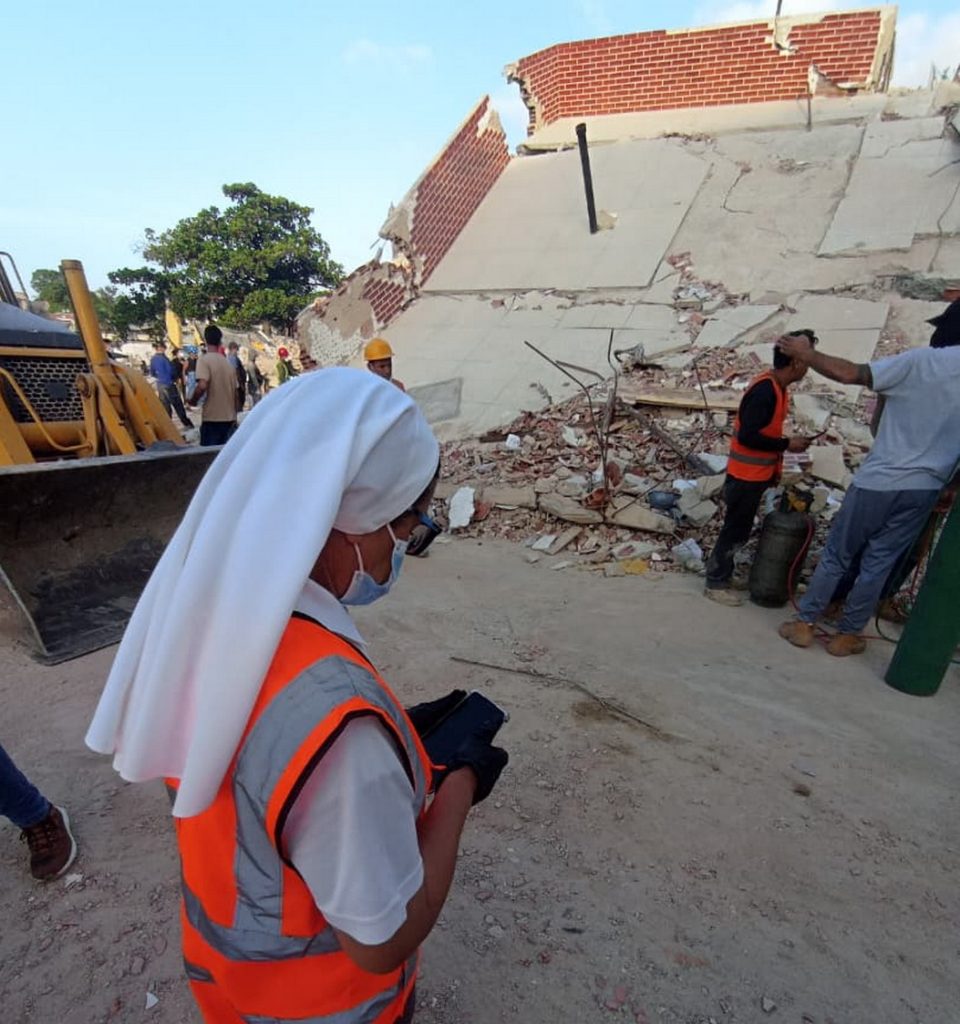
- The state of housing: It is estimated that the disaster has severely affected more than 800 buildings, of which about 190 collapsed completely (mainly in areas of La Guaira, such as Caraballeda). The government estimates that the construction of at least 25,000 new homes will be required to mitigate the housing deficit.
- Continuous aftershocks: Since the main event, more than 1,270 aftershocks have been recorded. This keeps the population on constant alert and has forced the precautionary evacuation of more structures due to the risk of new collapses.
- The situation in shelters: The 107 active camps in Caracas and neighboring states, house more than 20,000 people who depend entirely on local and international humanitarian aid.
* Father Juan Carlos Greco, IMC, missionary in Boa Vista, Roraima.