
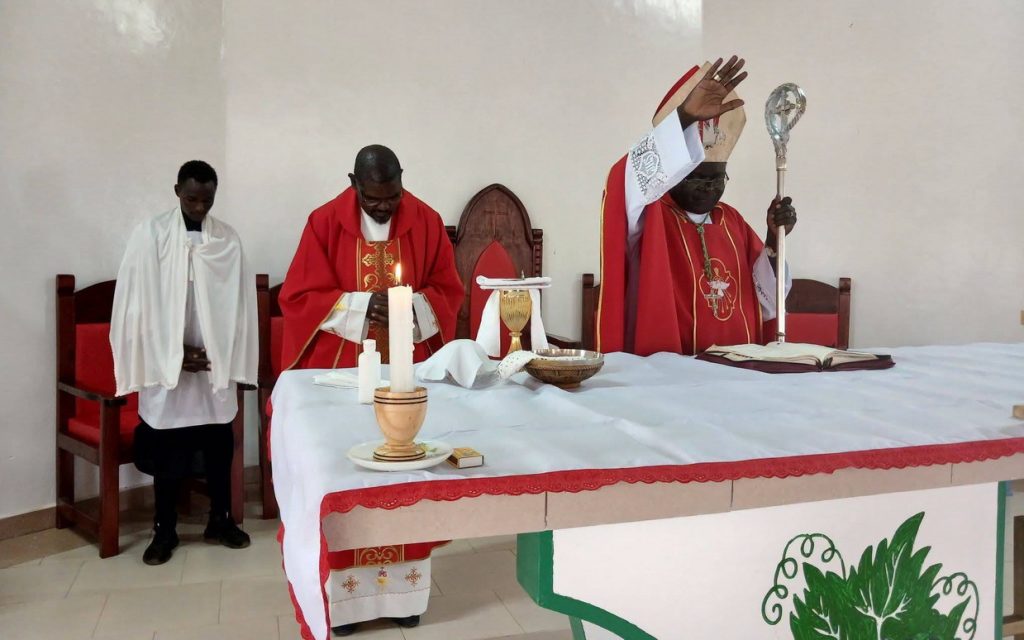
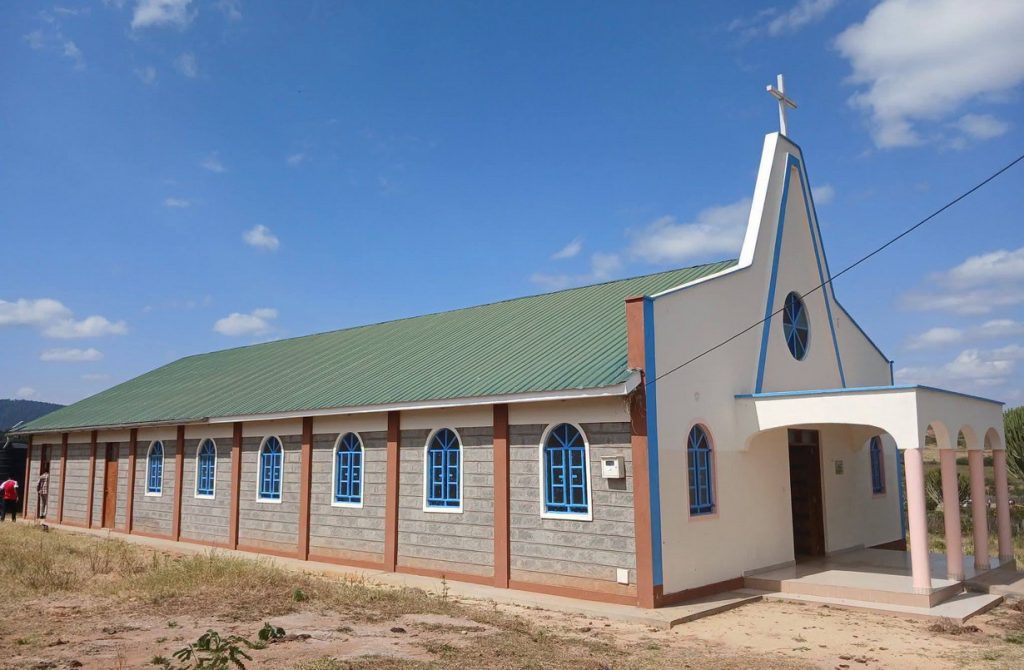
The faithful of Baawa Zone, drawn from Lkiloriti, Leirr, and Baawa, gathered at St. Kizito Catholic Church, Leirr, to celebrate Holy Mass with the Bishop of the Catholic Diocese of Maralal, Rt. Rev. Hieronymus Emusugut Joya. The Eucharistic celebration, concelebrated by the Parish Priest, Fr. Joseph Lengolos, formed part of the Bishop’s ongoing pastoral visitation programme aimed at strengthening communion between the shepherd and his flock.
By Letunta-Desert Ranger *
In his homily, Bishop Joya called upon Christians to remain steadfast in their faith, actively participate in the life and mission of the Church, preserve sacred traditions and holy objects, and support the development initiatives of the Church. Above all, he emphasized unity, cooperation, and collective responsibility in building vibrant Christian communities.
Yet, beyond the pastoral visit itself lies a deeper story—the remarkable journey of the Catholic Diocese of Maralal and its continuing transformation under its third generation of episcopal leadership.
Legacy of a Tireless Missionary
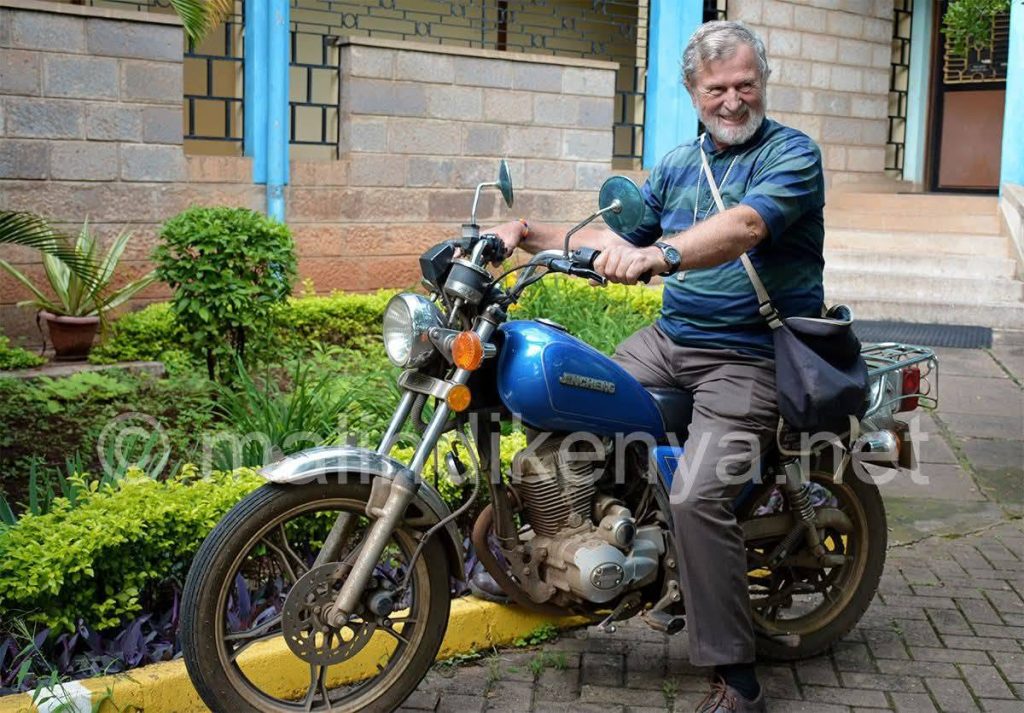
To understand the significance of Bishop Joya’s pastoral mission today, one must appreciate the foundation laid by Bishop Emeritus Rt. Rev. Virgilio Pante, IMC.
When Bishop Pante arrived to shepherd the vast and rugged Diocese of Maralal, he encountered communities grappling with cattle rustling, insecurity, land conflicts, drought, poverty, and social fragmentation. The Diocese itself was young, resources were scarce, and pastoral structures were fragile.
Like the biblical prophet Elijah standing amid uncertainty, Bishop Pante embarked on a demanding mission of hope. Under the unforgiving northern Kenya sun, he travelled from village to village, many times across difficult terrain, gathering scattered communities and rebuilding trust where despair had taken root.
His evangelization was never merely about buildings or statistics. It was about restoring dignity, healing wounded hearts, and nurturing faith among people facing immense hardship. During seasons when both nature and humanity seemed to groan under suffering, he remained a visible sign of God’s presence among the people.
A Church Sustained by Faith
The Diocese’s institutions also faced tremendous challenges. Among them was the renowned Wamba Mission Hospital, a beacon of healthcare in northern Kenya that often struggled with limited resources and uncertain funding.
There were moments when the mission resembled a fragile child surviving on little more than faith, sacrifice, and the generosity of well-wishers. Yet Bishop Pante persevered. He understood that the true wealth of the Church was not measured in financial accounts but in transformed lives, compassionate service, and human dignity.
One good deed at a time, one family at a time, and one community at a time, the mission continued to grow.
The Emergence of a New Generation of Leadership
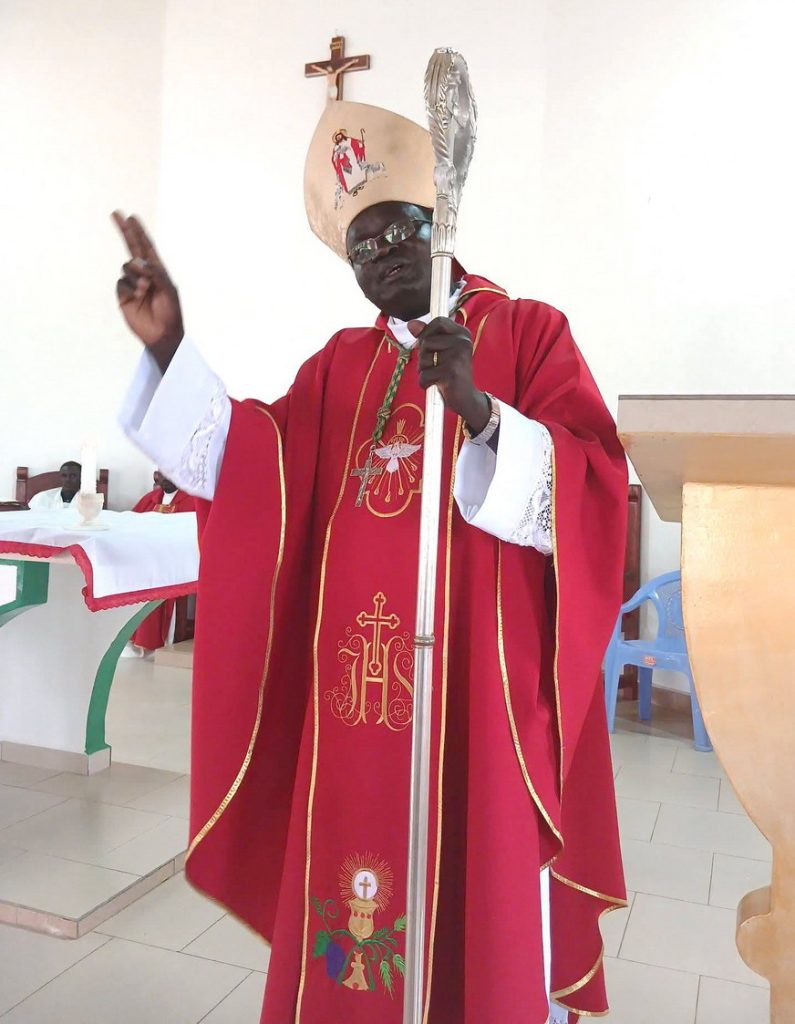
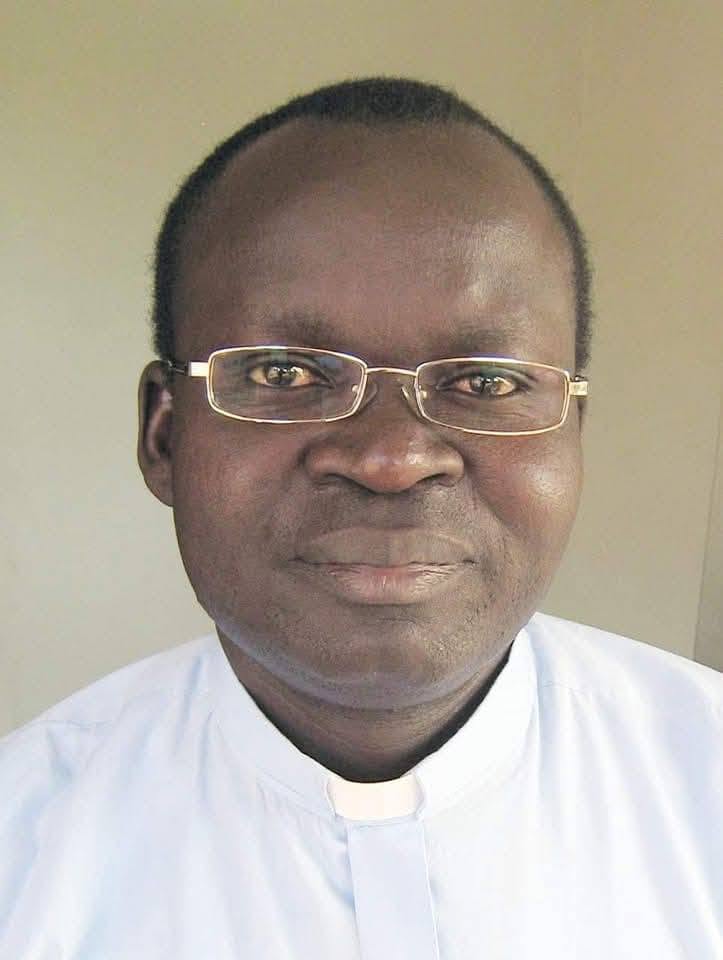
Today, the Diocese enters a new chapter under the leadership of Rt. Rev. Hieronymus Emusugut Joya.
Unlike many leaders who inherit institutions from a distance, Bishop Joya knows Maralal intimately. Having served as Pastoral Coordinator within the Diocese, Rector of the National Seminary and of Rome itself , and later holding significant leadership responsibilities within the Consolata Missionaries at both national and international levels, he brings to the Diocese a rare combination of pastoral experience, intellectual formation, administrative competence, and global perspective.
His leadership reflects both the disciplined tradition of the ancient Roman Catholic Church and the practical realities of modern pastoral challenges. Deeply rooted in missionary spirituality, Bishop Joya understands the rhythms of life among pastoral communities because he comes from a social environment shaped by similar experiences of resilience, simplicity, and communal living.
His vision is not merely to maintain the Church but to strengthen its capacity to become self-propagating, self-sustaining, and deeply evangelizing.
Rebuilding a Strong and Self-Reliant Church
Across the Diocese, signs of renewal are increasingly visible. Areas once affected by persistent conflict are experiencing greater stability. Parish structures are growing stronger. Lay participation is expanding. Youth and women are becoming more actively engaged in Church life.
Through pastoral visits such as the one witnessed in Baawa Zone, Bishop Joya is reinforcing a model of leadership that prioritizes presence, listening, accompaniment, and accountability.
The Diocese is steadily moving from a phase of survival toward one of strategic growth, rooted not in external dependence but in local participation, stewardship, and missionary responsibility.
In a region where traditional cultural pressures often challenge Christian witness, the Church continues to stand as a beacon of faith, reconciliation, education, healthcare, and human development.
Conclusion: A Diocese Rising on Its Own Feet
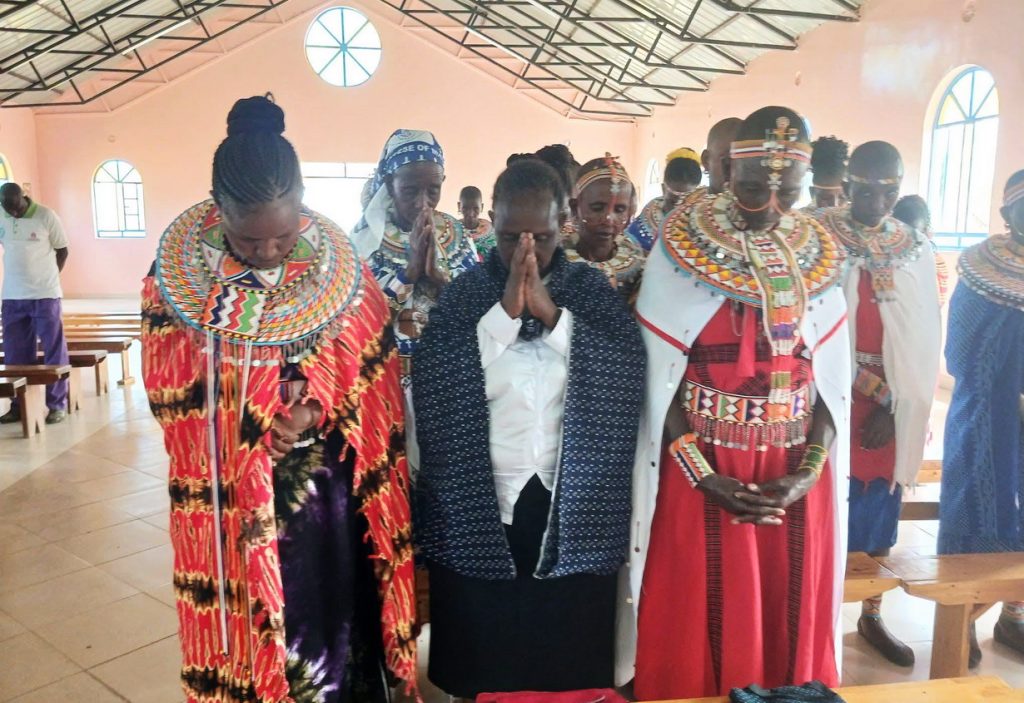
The story unfolding in Maralal is not simply the story of changing bishops. It is the story of a Church that has endured hardship, weathered storms, and emerged stronger through faith.
Bishop Emeritus Virgilio Pante laid the foundation through sacrifice, perseverance, and missionary courage. Today, Bishop Hieronymus Joya builds upon that legacy with fresh energy, strategic vision, and pastoral wisdom.
As he walks among the faithful – from Leirr to Baawa, from remote villages to established parishes – he is helping shape a Diocese that is increasingly confident, self-reliant, and missionary in spirit.
The pastoral visit to Baawa Zone is therefore more than a routine ecclesiastical event. It is a visible sign of a Church on pilgrimage – a Church rising from years of struggle into a new season of hope, unity, evangelization, and renewal in the heart of northern Kenya.
Source: Media Press