
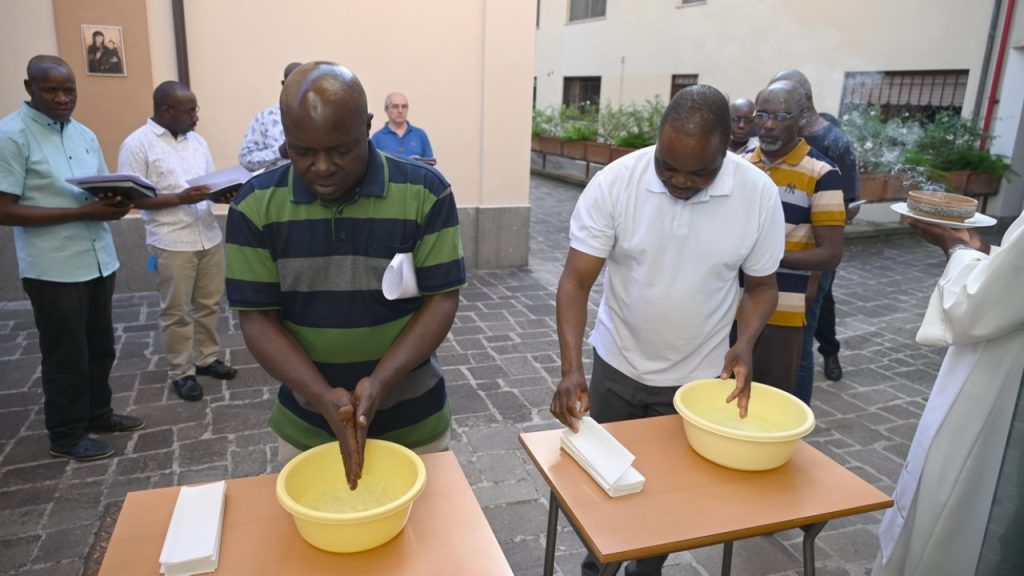
Born in 1974 in Bumula, in western Kenya, the Consolata missionary Brother Joseph Wamalwa Marango is the son of Mark Wamalwa and Agnes Nasike. He was baptized as a child and attended school in his home area and later in Kakamega, where he continued his studies. It was there that he came to know the Consolata missionaries, including some of his fellow students.
Por Jaime C. Patias*
Joseph recalls receiving some publications from the late Father Attilio Lerda, who was then the vocations promoter in Kenya. After reading them, he wrote a letter to the missionary, and two weeks later received a reply with further information about the missions. He subsequently applied to enter the seminary. After completing secondary school, he was invited to attend several meetings in Nairobi, and four months later he was admitted to the Consolata seminary.
In this video, recorded in Rome in May 2025 during the ongoing formation course (G25), Brother Joseph Wamalwa tells the story of his vocation as a Consolata missionary brother.
“I want to become a Brother”
“From the very beginning, I wanted to become a Brother.” During his formation, “I had to follow some courses on religious life and then study engineering at a polytechnic before going to Sagana for the Novitiate year. In the end, they asked me whether I wanted to change my mind, and I said no: I want to become a Brother,” he reaffirmed.
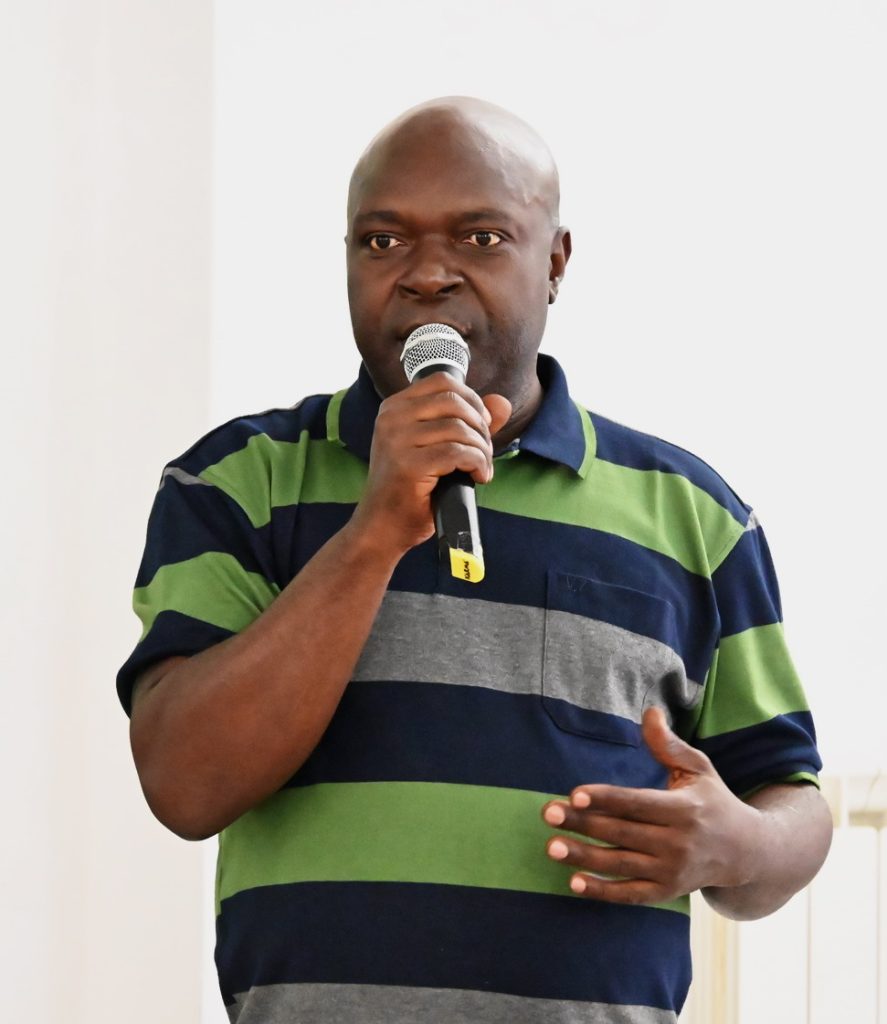
The vocation to Brotherhood in the Consolata Institute is a lay call to missionary consecrated life. The Brother does not receive the sacred order of priesthood, but fully shares in the evangelizing mission, dedicating himself to the proclamation of the Gospel through practical, professional, educational, and human development works.
After making his temporary vows, Brother Joseph moved to the Allamano House Seminary together with the other students, where he studied Human Development and Project Management at Tangaza. At the end of the course, instead of being sent on mission outside Kenya, Father Francesco Viotto asked him to remain in the country. He thus made his perpetual profession and went to the Sagana Technical Institute. “I held various roles until, in 1979, I became the first Kenyan director of the Technical Institute,” he recounts.
“I worked there for about eight years, a period during which I learned a great deal. I am happy and grateful to God because He helped me, and I was able to help many students; the programme worked very well.”
After this rich experience, Brother Joseph was sent to Côte d’Ivoire, where he remained for three years engaged in pastoral activities — a mission that meant a great deal to him. On returning to Kenya, he worked on projects at Familia Ya Ufariji, which welcomes street children and young people, offering them formation and dignity. He subsequently served at the Seminary, then for four years at the Sagana Dispensary, followed by a sabbatical year in Nairobi.
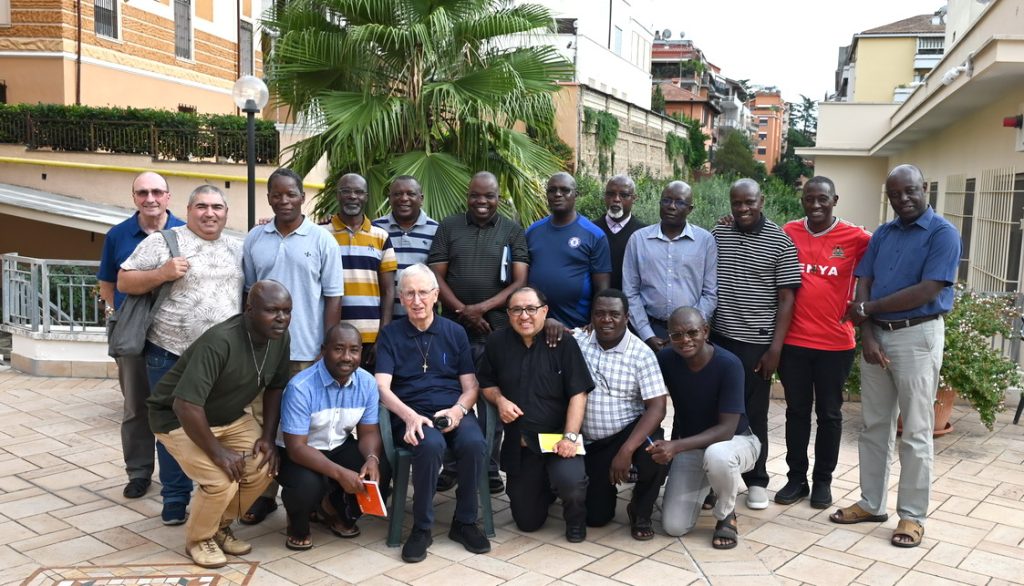
During this period, he took part in the renewal course in Rome for missionaries celebrating 25 years of ordination or religious profession. “I learned a great deal. Things I had only known from books I was able to see with my own eyes, and this reinvigorated me. I visited the Vatican, the museums, the birthplace of our Founder (in Castelnuovo Don Bosco), as well as numerous historically significant churches. I am returning home with all this wealth of experience, which will help me in my future activities. In fact, I am going back a better person than when I arrived, and I am very glad of that. I thank the General Council for the course,” he says.
The vocation to Brotherhood
In the Institute there are 28 brothers. “Vocations to Brotherhood are declining, but we hope for the best in the future. In 2027 we will celebrate the Year of Brothers, and we hope to promote this vocation within our congregation. Today we need brothers who prepare themselves, who study to become doctors, lawyers, and so on, and who bear witness to the love of God among those to whom they will be sent. The time has come for all missionaries to commit themselves to promoting the vocation to the Brotherhood. We live in an age in which people are extremely busy but have forgotten their faith — and it is to these very people that we are called to go. This would have a powerful impact on their lives,” the religious concludes.
* Father Jaime C. Patias, Office for Communication.
