A Missionary Reflection on Pope Leo XIV’s Visit to Africa
From Korea in the Far East of Asia, thousands of kilometers away from the African continent, I share this reflection with my brothers in prayer and meditation.
By Kyoung Ho Han *
The apostolic visit of Pope Leo XIV to Africa carries a profound meaning that goes far beyond a diplomatic itinerary or a routine Church event. His journey through Algeria, Cameroon, Guinea, and Angola invites us to reflect anew on the path of human communities toward history, memory, peace, and reconciliation.
During his visit to Algeria, the Holy Father chose Maqam Echahid as the first place to visit. This monument was built in 1982, on the twentieth anniversary of Algeria’s independence, to commemorate those who sacrificed their lives in the struggle against French colonial rule.
Designed by the Canadian architect Bruce Charles Allard in collaboration with Algerian experts, the monument is a massive concrete structure rising over ninety meters high. Three pillars, symbolizing palm branches, stretch toward the sky. Beneath them lies an underground chamber where an eternal flame burns in memory of those who were lost.
This flame is not merely a symbol of past sacrifice. It is a living reminder of the human longing for dignity and freedom.
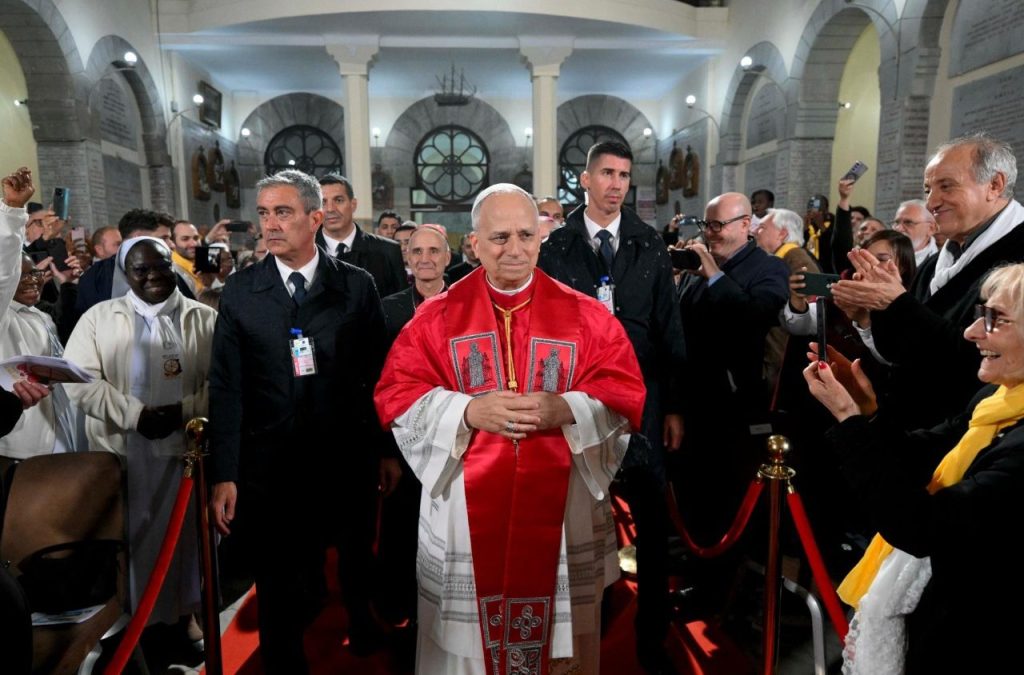
Standing there, the Pope greeted the Algerian people and recalled that he had visited Algeria twice in the past as a member of the Augustinian Order. He offered a prayer of gratitude to God for allowing him to return once again to this land.
Above all, he emphasized that he stood before the people of Algeria not primarily as the head of the Church, but as a brother.
This expression carries a very deep meaning. It is not the language of authority looking down from above, but the language of fraternity, recognizing one another as members of the same human family.
The Pope also spoke about the spirit of hospitality and fraternity that lives in the hearts of the Algerian people.
For them, friendship, trust, and solidarity are not merely words but living values that warm human life and strengthen community bonds.
Such human values become fertile soil in which peace can grow.
The Holy Father expressed his deep respect for the history of the Algerian people, who struggled for independence, dignity, and sovereignty. He reminded everyone that God desires peace for all peoples.
The peace he spoke about is not simply the absence of conflict.
It is a state in which justice and human dignity are alive. And such peace, he emphasized, ultimately becomes possible only through forgiveness.
For many nations that carry memories of colonization and war, this message has profound meaning. Historical memory can sometimes generate anger and conflict, but it can also become a path toward reconciliation and a new future. This message is not meant for Algeria alone. It is a message addressed to all peoples who live amid conflict in today’s world.
The world in which we live is deeply interconnected. Conflict in one country can create insecurity in another, while peace in one region can become hope for another.
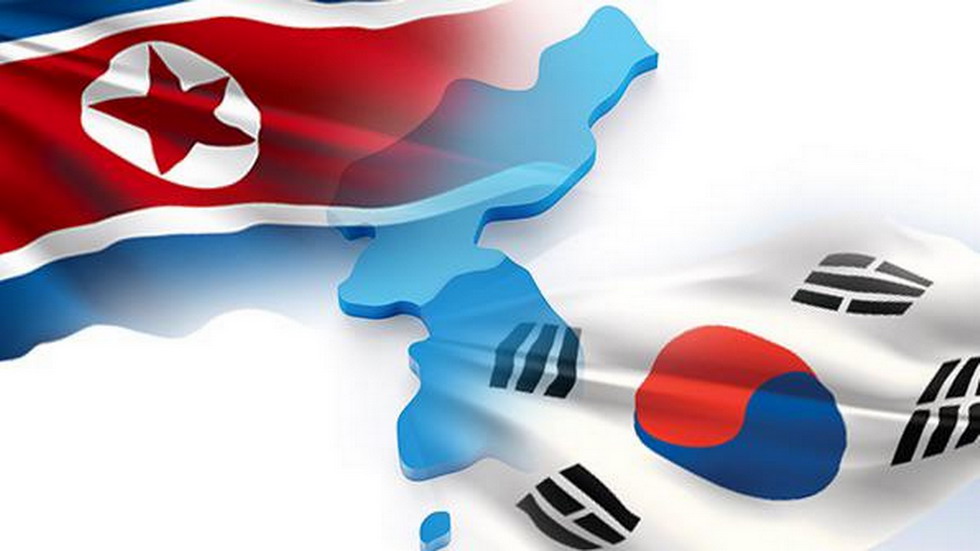
The question of peace on the Korean Peninsula, which may appear far away geographically, is also deeply connected to the wider world.
The Korean Peninsula, marked by memories of war and division, is still a land that has not yet achieved complete peace. Yet the longing for peace here is not merely the concern of one nation, but a challenge that the entire human community must face together.
Today we are increasingly aware of one fundamental truth: Everything is connected. For this reason, peace is not the responsibility of one nation alone but a shared responsibility of all humanity.
When we speak about peace, however, we encounter a reality: people hold different understandings of peace.
For some, peace means stability and order. For others, peace means justice and freedom. For still others, peace simply means the absence of conflict.
In this way, the understanding of peace can be expressed in many forms depending on culture, history, and lived experience.
Yet within this diversity, there remains something that does not change:
the universal value of peace. True peace always respects human dignity. True peace always demands justice. True peace always protects human life.
For this reason, the essence of peace does not change, even when times and circumstances change.
The Gospel points us in the same direction. In the Sermon on the Mount, Jesus says: “Blessed are the peacemakers, for they will be called children of God.” (Matthew 5:9)
A peacemaker is not simply someone who avoids conflict, but someone who chooses justice and forgiveness. Peace is therefore always a courageous choice.
The Pope also made it clear that peace can never be built when those in power sacrifice others through force and violence. Order imposed by power does not last. Peace built upon justice and forgiveness endures. This path of peace is deeply connected to the path of mission.
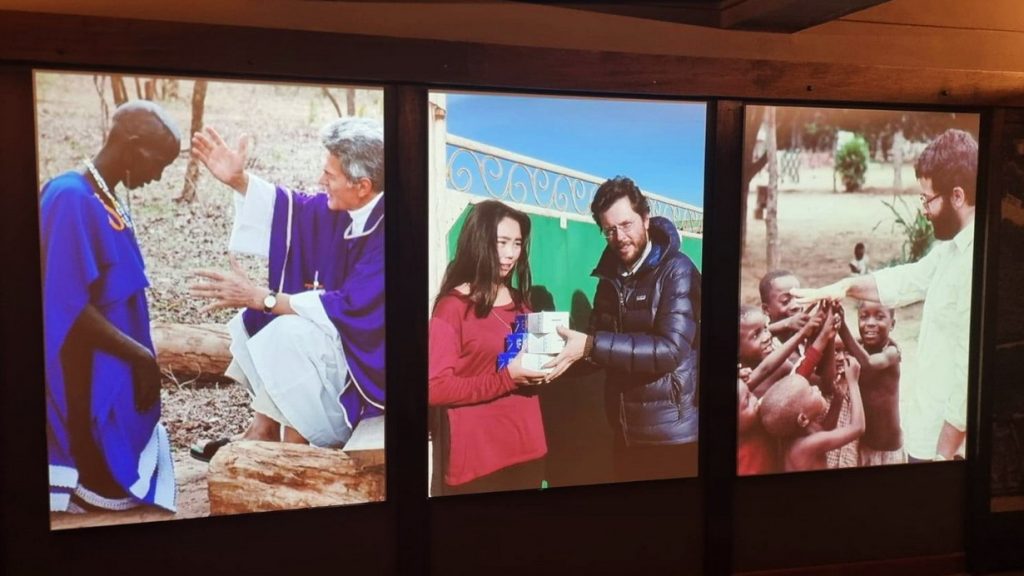
Mission is not simply about proclaiming the Gospel with words. It is about building bridges of dialogue and trust among people of different cultures, histories, religions, and memories.
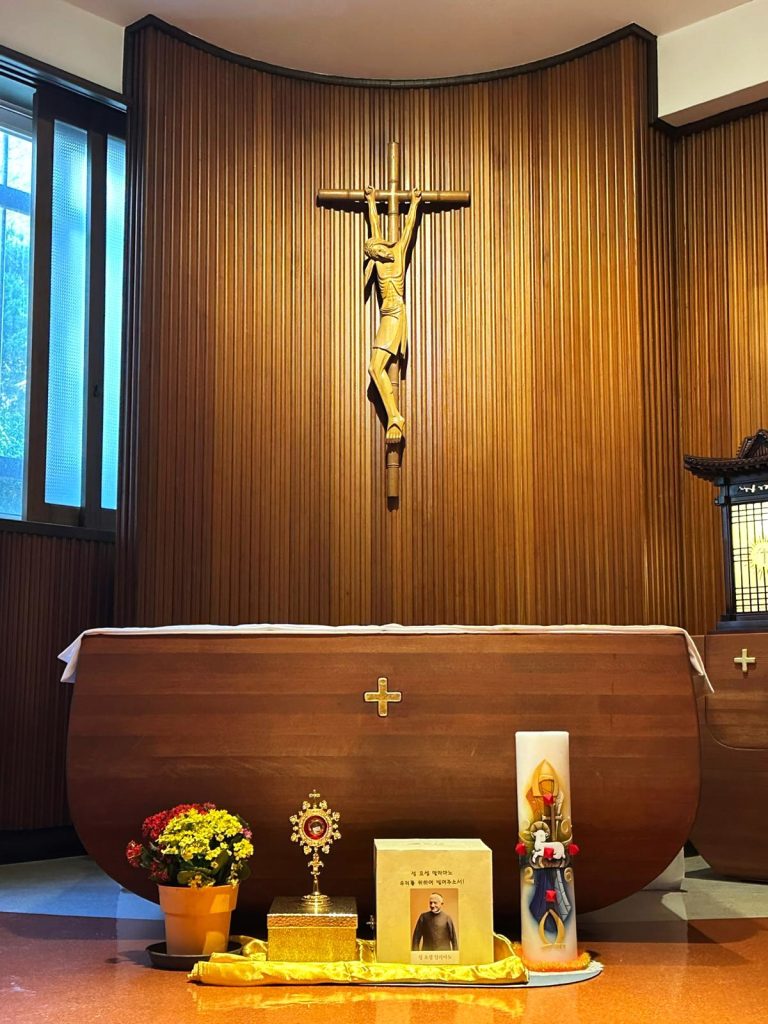
Saint Joseph Allamano taught missionaries that before anything else they must become friends and brothers to the people they encounter.
The moment we become brothers, the seeds of peace are already being sown.
Today the world continues to live amid conflict and division, yet at the same time many people are searching for the path toward peace.
That path is not far away. The moment we begin to see one another as brothers, the path opens. The moment we choose forgiveness over the wounds of the past, the journey begins.
The apostolic visit of Pope Leo XIV to Africa is not yet finished. The journey that began in Algeria continues through Cameroon, Guinea, and Angola.
Yet the true meaning of this journey lies not merely in the visits themselves, but in the path of encounter.
Cultures meet. Religions meet. Different histories and memories meet. And in these encounters, understanding and trust begin to grow.
For this reason, the Pope’s journey can be seen not simply as a visit, but as a pilgrimage toward peace. Every encounter is only a small beginning. But the path of peace always begins with a small step.
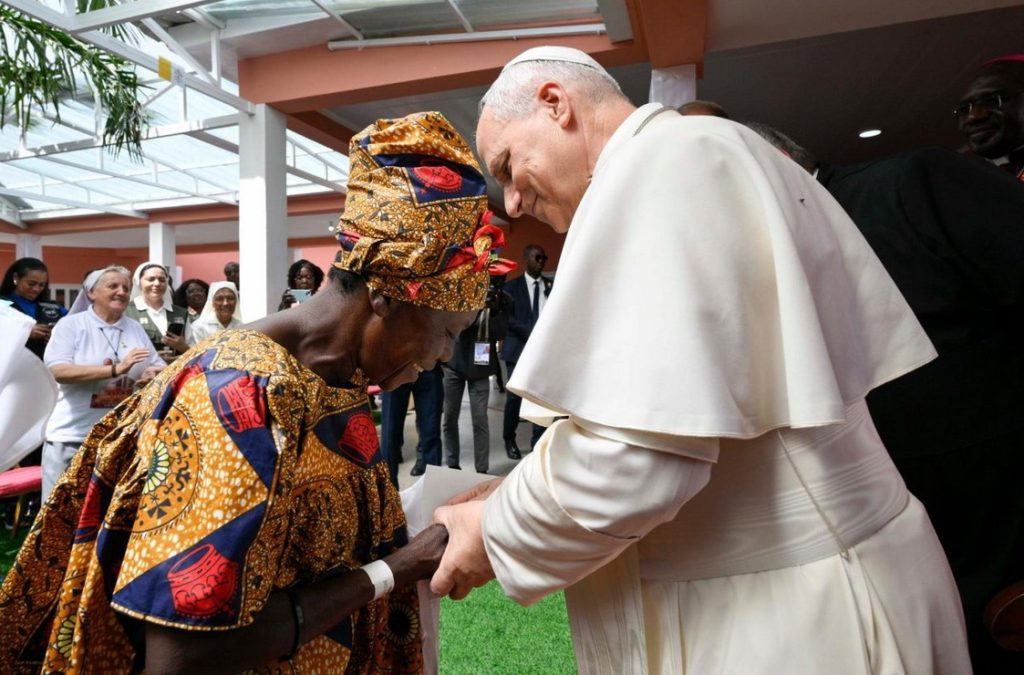
One conversation, one handshake, one sincere greeting can sometimes begin to dismantle walls of conflict that have stood for many years.
As the journey that began in Algeria continues through Cameroon, Guinea, and Angola, it becomes more than a path across one region. It becomes a path of peace open to all peoples.
Although the visit has not yet concluded, we hope that the many encounters taking place along the way will deepen mutual understanding and trust, and that these small moments of encounter will become steps toward peace for all nations.
Peace is never achieved in a single moment. But as long as encounters continue, as long as dialogue continues, and as long as we continue to see one another as brothers, the path toward peace will never stop.
And along this path we remember once again the words of the Gospel: “Blessed are the peacemakers.”
May these words become a journey of peace for all peoples – within the Pope’s journey, and within our own lives.
* Father Kyoung Ho Han, IMC, member of the National Reconciliation Commission.