A few days ago, we read the Gospel passage in which Jesus said: “Not everyone who says to me, ‘Lord, Lord,’ will enter the kingdom of heaven … (Matt. 7:21).
I immediately thought that Jesus was warning us against those who continually proclaim truths of faith without being followed up by facts, make beautiful speeches and homilies about the Lord without sharing the vision of the Kingdom of God in the slightest.
By Jonah Makau *
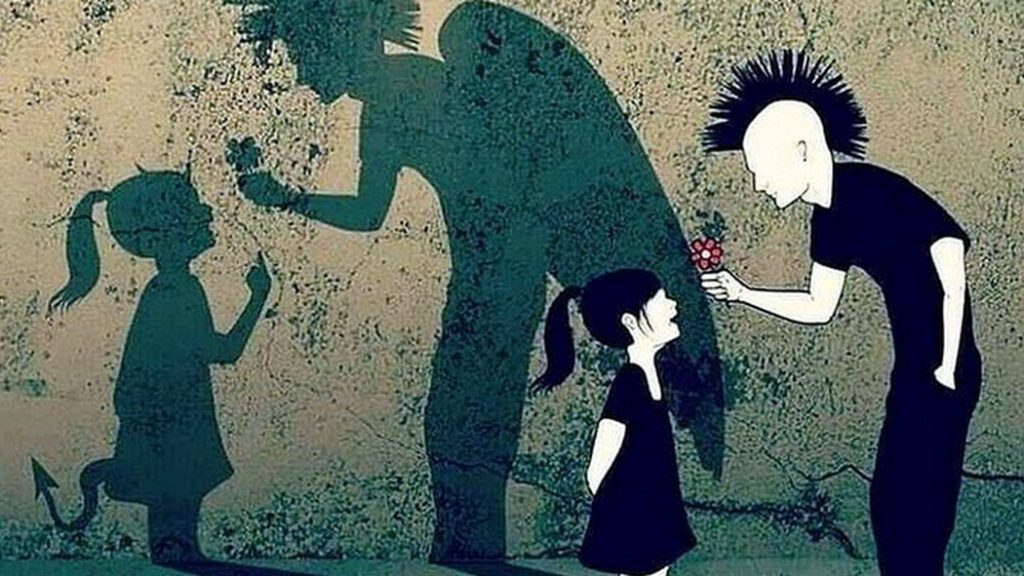
Jesus’ statement particularly struck me for its timeliness because, you will agree with me, it is a warning not to indulge too much on what appears externally because it often does not correspond to reality; It is an invitation not to dwell excessively on appearances, on the external image or on first impressions, because they are often deceptive and superficial.
In fact, we live in an era strongly characterized by appearance that has become such a relevant aspect nowadays that it not only conveys what others think of us, but also the way we communicate. In fact, appearances are the foundation of what we know about others and what others know about us.
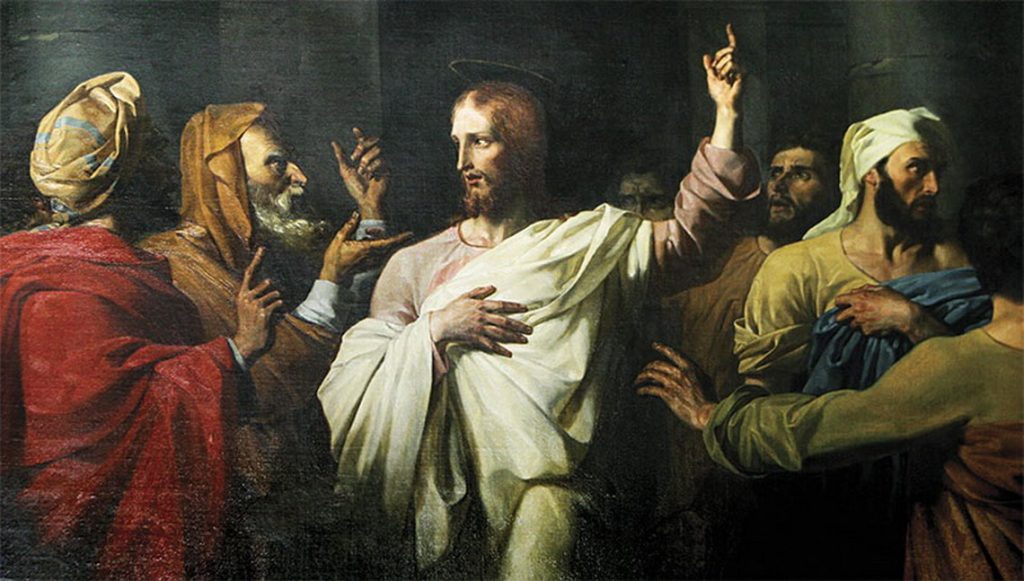
Even in Jesus’ time there were groups that flaunted their image and sought appearance to be noticed in public squares. Jesus lashed out against them in public disputes, to denounce the eagerness to appear, the obsession with exteriority, completely neglecting interiority: “Then the Lord said to him, ‘You Pharisees cleanse the outside of the cup and the dish, but your inside is full of robbery and iniquity.’ (Luke 11:39).
This dichotomy between appearance and interiority has attracted the attention of many modern thinkers, such as Hannah Arendt. She was an American historian and philosopher of German origin, one of the most significant and influential figures of twentieth-century political thought, who died in 1975, who argued that the world we live in is the world of “appearances”, that is, the place where things and living beings “are and exist”.
In the sense that entities and organisms, whether they are trees, rivers, mountains, animals or human beings, are all able to be perceived by the senses. They can appear directly to the senses and therefore immediately perceptible or, like the internal organs of the body and the roots of trees, they must be discovered before they can be perceived.
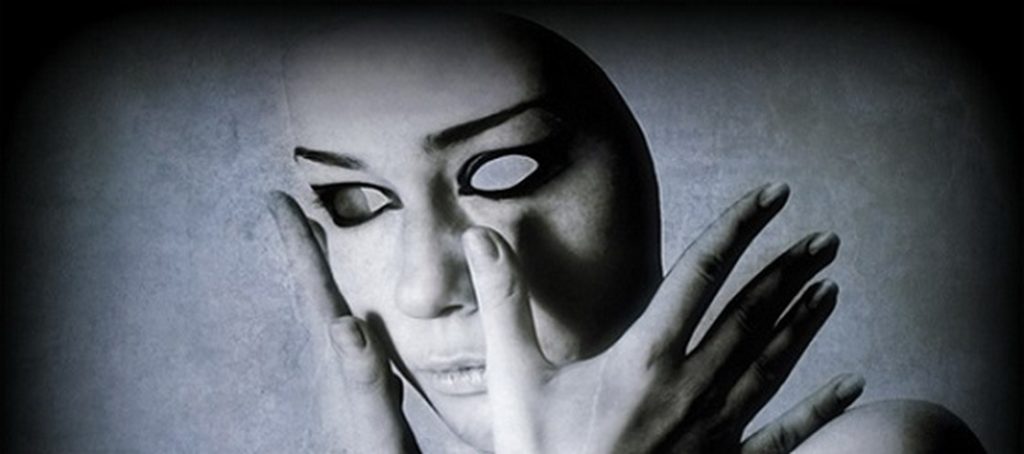
According to Arendt, to exist meant to ex-ist, that is, “pushing oneself out” and thus being seen by others, so in this world dominated by the image, appearance is reality and therefore “Being and Appearing” coincide.
From this it follows that we know that a thing has come into existence because and when it appears to us and that it ceases to exist when it disappears.
But why all this talk about appearance and reality?
Because these considerations can illuminate the journey of Advent that has just begun and the way in which we prepare to celebrate the birth of Jesus Christ.
We have four weeks to devote ourselves entirely to preparing for the celebration of the Incarnation of the Son of God. Such a preparation cannot be reduced to “appearances”, to the superficiality of the illuminated streets, to the decorations of our house, to the dinners that we will prepare for the attraction to unknown places.
We must strive to ensure that the preparation for Advent is authentic and profound. We should ensure that it involves our lives in a meaningful and transformative way, seeking substance, inner truth and depth of meaning. Otherwise, we would resemble the scribes and Pharisees whom Jesus called hypocrites, because they were only concerned with being seen, on the outside of things and neglected the “purity” of intentions.
“Woe to you, scribes and Pharisees, hypocrites, who clean the outside of the cup and the dish while inside they are full of robbery and intemperance. Blind Pharisee, clean the inside of the glass first, so that the outside also becomes clean!” (Matt.23:25-26)
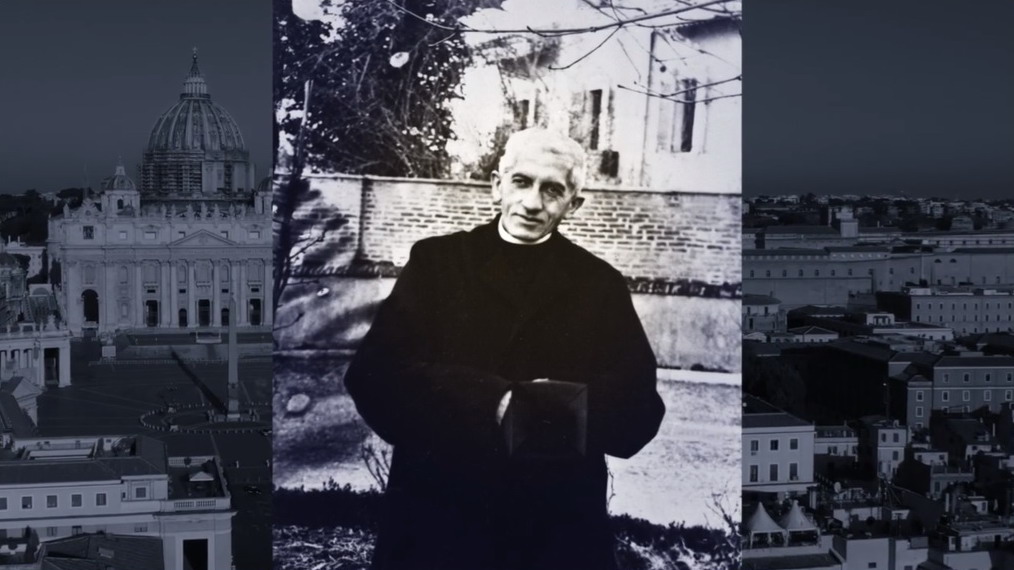
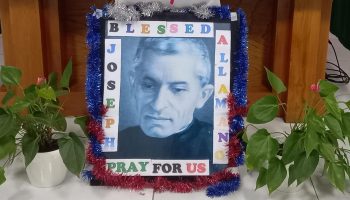
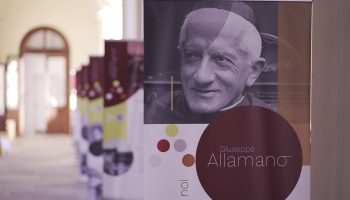
Reading this passage reminded me of our Holy Founder’s insistence on the importance of purity of intention. Once, speaking to the seminarians of the Mother House, he said:
“Purity of intention is an act of charity by which all our actions are referred to God, our ultimate end; (…) You study theology, which is the end for which one acts, that counts with God; external works, as such, do not substantially add to the internal act of the will. The more perfect the end, the more perfect the work is” (Spiritual Life p. 255)
The world of appearance cannot tolerate the purity of intentions, because it is a world where appearance and image count and create dichotomies between thought, word and action. A society where true intentions hardly come to the surface, but are lost behind inconsistent statements and behavior. As we move forward into this season of Advent, let us ask the Lord, through the intercession of St. Joseph Allamano, that we may acquire “purity of intention” in all that we do. May the Lord give us eyes of faith, so that, as his instruments of consolation, we can identify the best way to touch the hearts of those around us with pure and genuine love.
* Fr. Jonah Makau, IMC, Postulation and History Office, Roma.