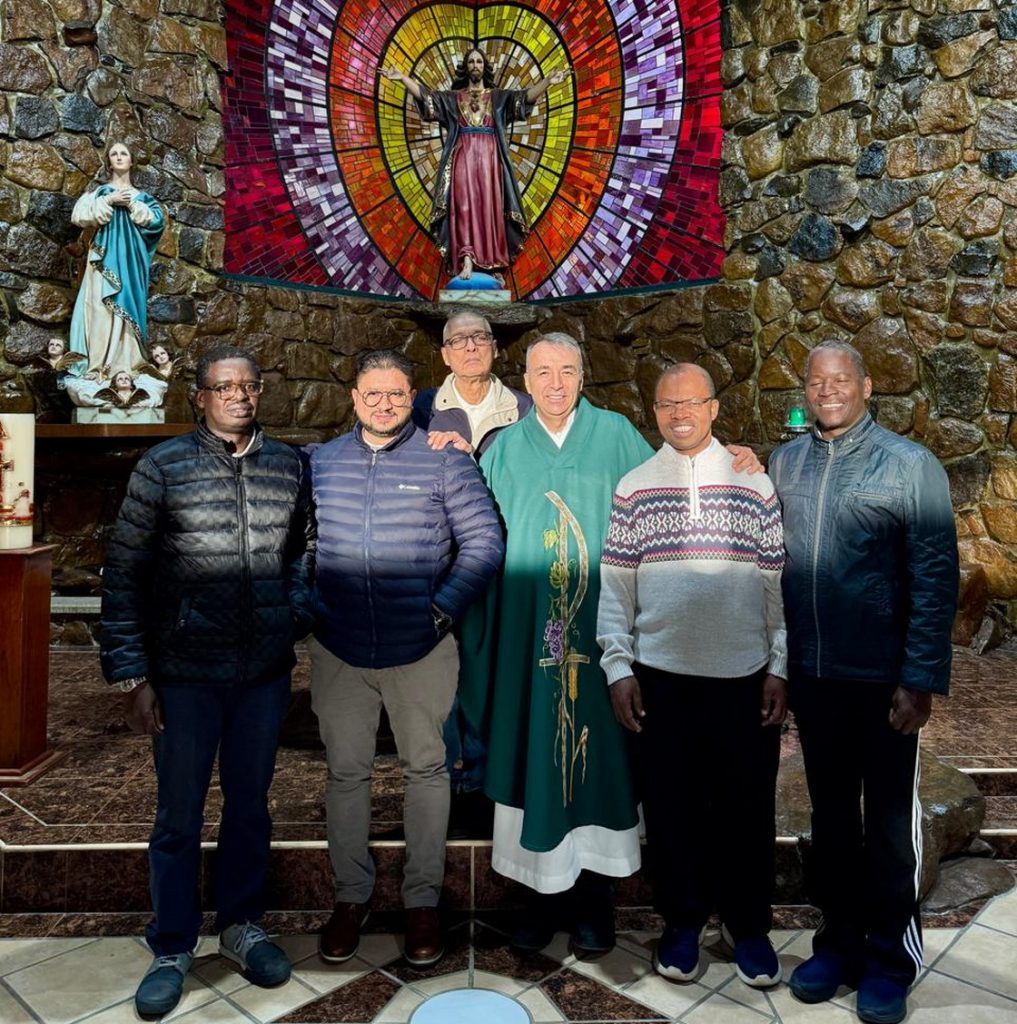
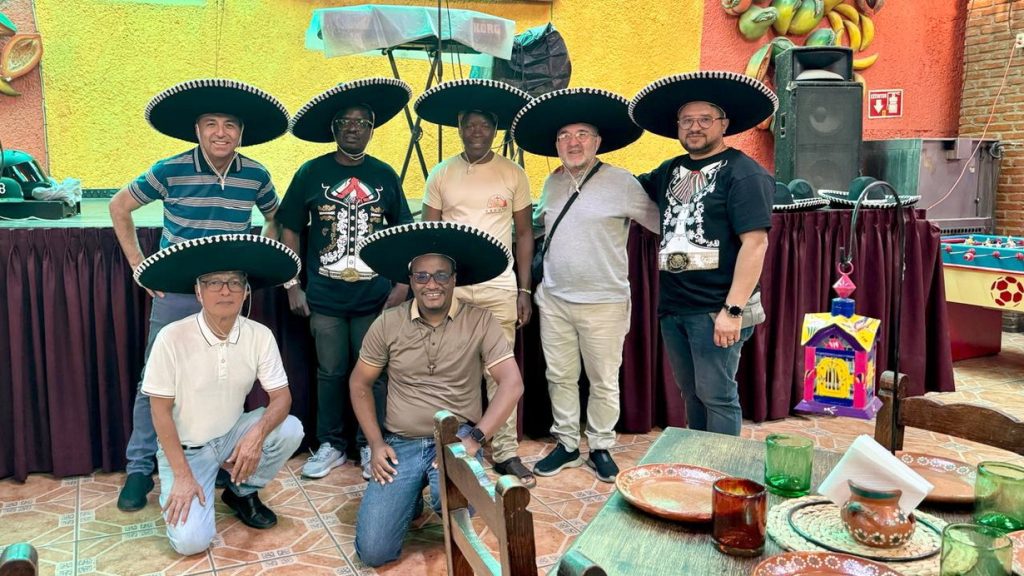
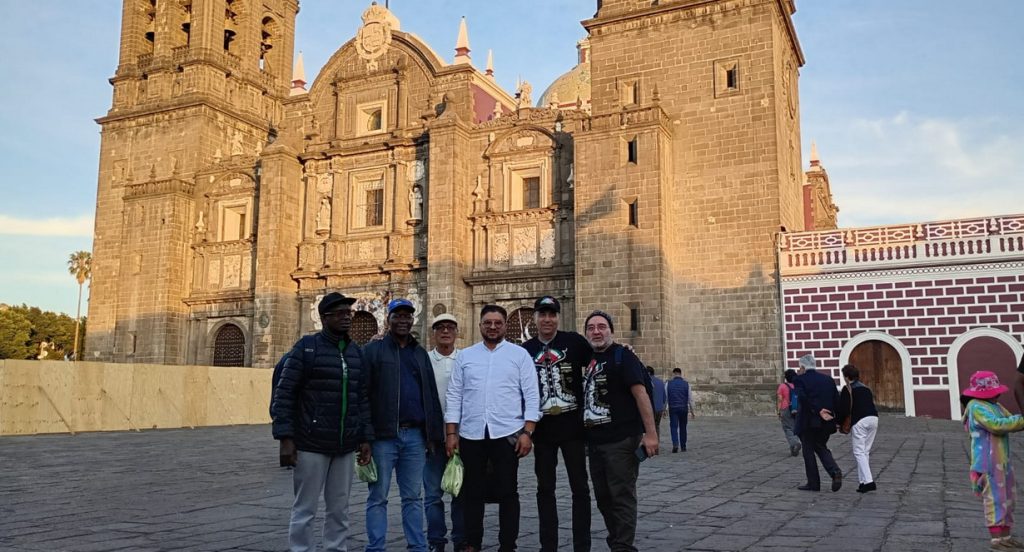
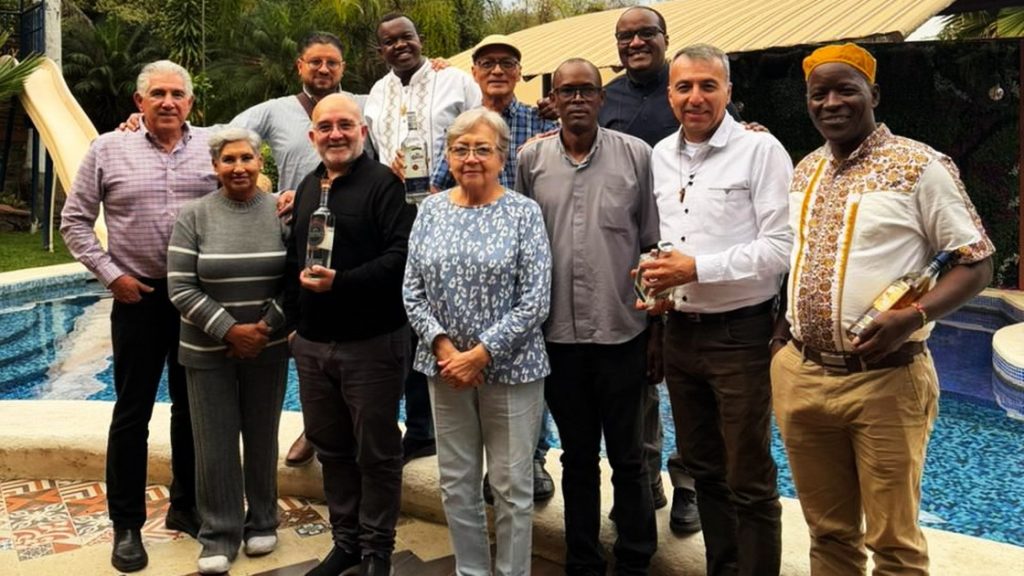
The Consolata Missionaries of the American continent who are dedicated to the formation of future generations of missionaries gathered in the city of Guadalajara, Mexico, from January 19 to 23, to share experiences, evaluate formation processes, examine the realities of their communities, and establish common criteria for formation. The 14th General Chapter (2023) proposed holding a meeting of formators at least once a year.
By Lorenzo Gómez *
In a time marked by profound cultural, technological, and ecclesial transformations, and within the context of the centenary of the death of the Founder, Saint Joseph Allamano, the Institute has once again felt the urgency to return to its origins – not as a nostalgic gesture, but as a spiritual and charismatic choice to renew the formative mission today.
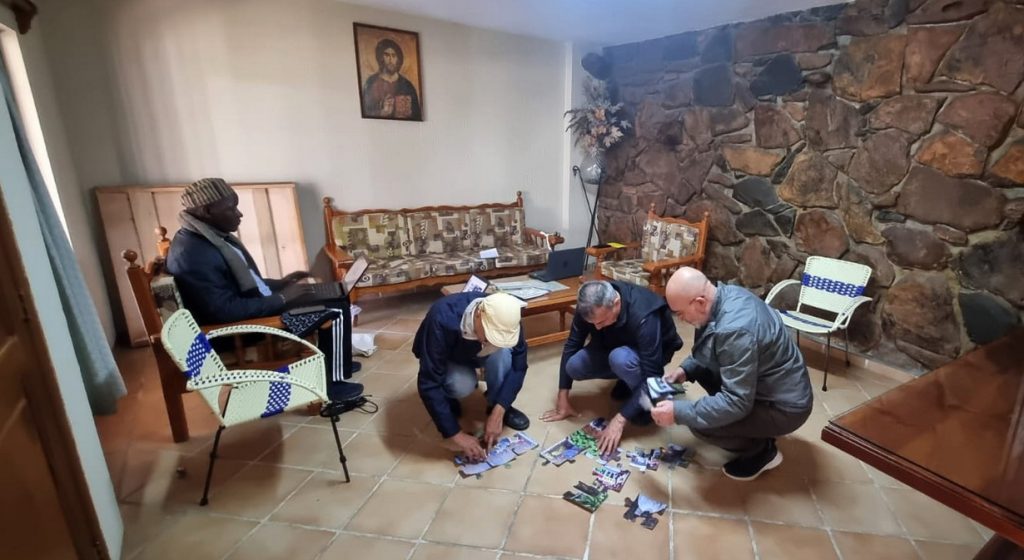
With the participation of six formators and the General Councilor for America, Father Juan Pablo de los Ríos, the meeting was experienced as a true kairós: a space for listening to the Spirit, for communal discernment, and for an honest review of how we are forming new missionaries. The contributions shared, from different perspectives, converged on a common understanding: there is no authentic formation without a profound experience of God, without placing the person at the center, and without an honest reading of the signs of the times.
Returning to the spiritual source
The program began with a spiritual retreat led by Father Lorenzo Gómez of the CAF in Bogotá, on the theme: “Return to the source: allowing ourselves to be formed in order to form, according to the pedagogy of Saint Joseph Allamano.” From the outset, we were reminded of a simple yet demanding truth: no one can truly form others unless they first allow themselves to be formed by God.
Inspired by the figure of Jesus, Teacher and Lord, the retreat placed at its center a pedagogy that transmits not only ideas, but life, identity, and mission. Jesus forms through closeness, service, and witness; he forms for mission, not for repetition. In this light, the formator appears not as the absolute protagonist, but as a humble mediator of the Spirit, a companion on the journey and a credible witness.
The spirituality and pedagogy of Saint Joseph Allamano ran throughout the retreat as a guiding thread. His insights are still surprisingly relevant: “Before missionaries, saints,” “forming the heart is more important than filling the head,” “patience and charity form everything.” In these words echoes a deep conviction: formation is a patient, personalized, and profoundly human art.
Returning to the source meant, for many formators, confronting essential questions: from what inner experience do I accompany others today? Do I start from trust or from fear? Do I truly accompany people, or do I merely manage processes?
Accompanying vocations in a changing and digital reality
The second contribution, presented by psychologist Abraham González Alcalá of the Archdiocese of Guadalajara, addressed with clarity the current context of religious life and vocational accompaniment, characterized by what some authors describe as a “liquid reality”: fragile certainties, accelerated change, and deep transformations in ways of thinking, relating, and committing oneself.
The irruption of digital technologies and artificial intelligence poses unprecedented challenges. These are not merely new tools, but new languages, rhythms, and mediations that directly influence the construction of identity, spiritual life, and the capacity for discernment.
Religious life today experiences evident tensions: numerical decline, internal fragilities, and difficulty sustaining processes of deep prayer and radical self-giving. At the same time, authentic searches are emerging, and young people are drawn to a meaningful religious life, committed to the poor and to mission.
From this reality, it was strongly emphasized that there is no authentic religious life without human development, and that formation cannot be reduced to isolated activities, but must be “woven” into daily life: community, mission, formative conversations, relationship with family, and the use of technology. Everything forms.
A special appeal was made to adopt a critical and ethical use of technologies, avoiding both fearful rejection and naïve adoption. The question is not only which technologies we use, but how and for what purpose we use them, and whether they truly help growth in inner freedom, maturity, and spiritual depth.
Forming from the continent: an incarnated and missionary formation
Father Mauricio Guevara, a formator at the Theological Seminary of São Paulo (Brazil), invited participants to view formation in the light of the American continent, with its territories, cultures, wounds, and hopes. Forming in America requires an incarnated perspective, attentive to the concrete reality in which vocations are born and grow.
Through five formative axes, the document proposed real shifts in mentality: from territory to method, from power to dignity, from doctrine to experience, from control to trust, and from ideal to process.
Formation thus appears as a journey rather than a filter; as a process of evangelical humanization that seeks to form free, responsible persons capable of discerning their mission. Formative authority, far from authoritarianism, is understood as a service that upholds dignity, generates trust, and promotes co-responsibility.
In this perspective, spirituality is not taught only through content, but is accompanied as a lived experience, deeply connected to daily life and mission. Lectio Divina, community life, and responsible delegation emerge as privileged spaces for growth.
A formation born of life and leading to mission
The Continental Meeting of IMC Formators left us with a clear conviction: to form today means allowing ourselves, as formators, to be converted. Returning to the spiritual source, realistically embracing cultural and technological changes, and forming from dignity, trust, and process are inseparable paths.
Faithful to the charism of Saint Joseph Allamano and in harmony with the synodal Church, we are called to an integral, communal, and missionary formation, capable of generating not only well-prepared missionaries, but holy, humane people passionately committed to the Kingdom.
Because, as Allamano reminded us, “example draws more than words,” and only a life formed at the source will be able to continue forming others for the mission.
Currently, the Institute on the American continent has 42 theology students (Brazil 19, Colombia 17, and Argentina 6). There are 9 seminarians in the philosophy and propaedeutic stages. This year, the novitiate in Manaus has no novices.
* Father Lorenzo Gómez, formator in the Apostolic Formative Community (CAF) of Bogotá.