There has been discussions and arguments that seem to say that although the high number of religious communities in the church is a sign of the richness of the gifts of the Holy Spirit, it is also a sign of irreconcilable ideologies of the Founders. This kind of idea tries to present the differences in charisms as foundations of divisions.
By Jonah Makau *
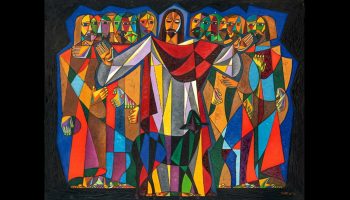
It is important to put things straight from the onset. In truth, consecrated life has cultivated an intimate nature of Christianity from the very beginning. In fact, the religious community has felt itself to be in continuity with the group of those who followed Jesus. The Lord called his disciples personally, one by one, to live in communion with himself and with the other disciples, to share his life and his destiny (cf. Mk. 3:13-15).
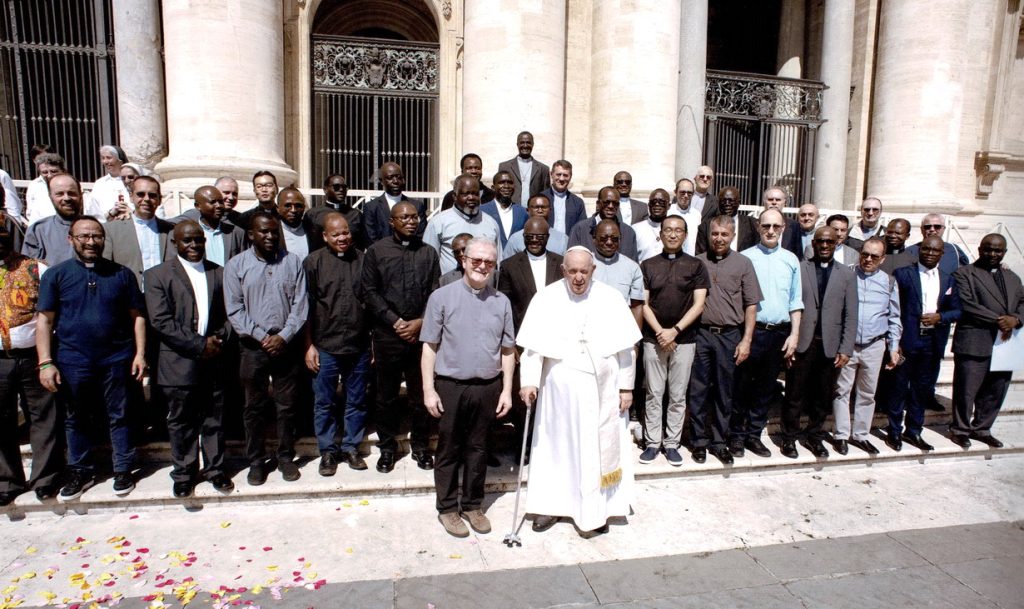
We can say without a doubt that the aim of Jesus was to make the apostolic community a sign of the life and communion begun by him. As a consequence, the first monastic communities looked to the community of the disciples who followed Christ and to the community of Jerusalem as their ideal of life. Like the nascent Church which “had one heart and one soul”, the monks gathered themselves under a spiritual guide called the abbot, and began living the radical communion of material and spiritual goods and the unity established by Christ. That unity found its archetype and its unifying dynamism in the life of unity of the Persons of the Most Blessed Trinity.
In subsequent centuries, many forms of community have arisen under the charismatic action of the Spirit. He who searches the depths of the human heart reaches out to it and satisfies its needs. God through his spirit raises up men and women who, enlightened by the light of the Gospel and sensitive to the signs of the times, give life to new religious families. Enlightened by the spirit, they begin new ways of living out the one single communion in a diversity of ministries and communities. Of course it is impossible to speak of religious community univocally. The history of consecrated life witnesses to a variety of ways of living out the one communion according to the nature of the various institutes. Thus, today we can admire the “wondrous variety” of religious families which enrich the Church and equip her for every good work and, deriving from this, the variety of forms of religious communities.
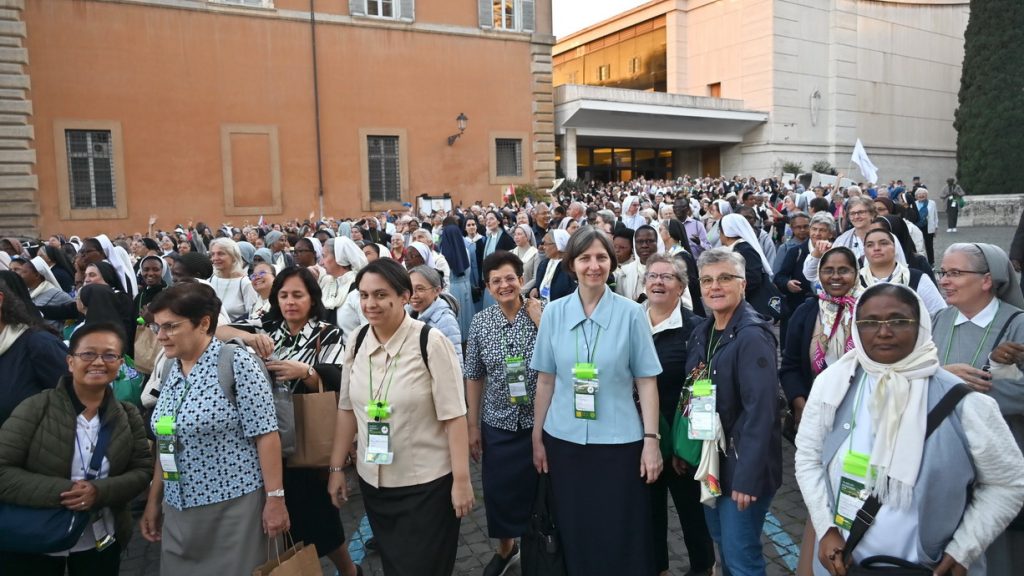
Nevertheless, in the various forms it takes, fraternal life in common has always appeared as a radical expression of the common fraternal spirit which unites all Christians. Religious community is a visible manifestation of the communion which is the foundation of the Church. At the same time, it is a prophecy of that unity towards which she tends as her final goal. As religious people, we are experts in communion. Therefore, we are called to be an ecclesial community in the Church and in the world. We are also called to be witnesses and architects of the plan for unity, which is the crowning point of human history in God’s design.
Above all, by profession of the evangelical counsels, which frees us from what might be obstacles to the fervour of charity, we are communally a prophetic sign of intimate union with God, who we should love above all things. Furthermore, through the daily experience of communion of life, prayer and apostolate we are supposed to be a sign of fraternal fellowship. In fact, in a world that is deeply divided, we are called to give witness to the possibility of a community of goods, of fraternal love, and of a programme of life and activity, through which we have accepted the call to follow Christ more closely and more freely.
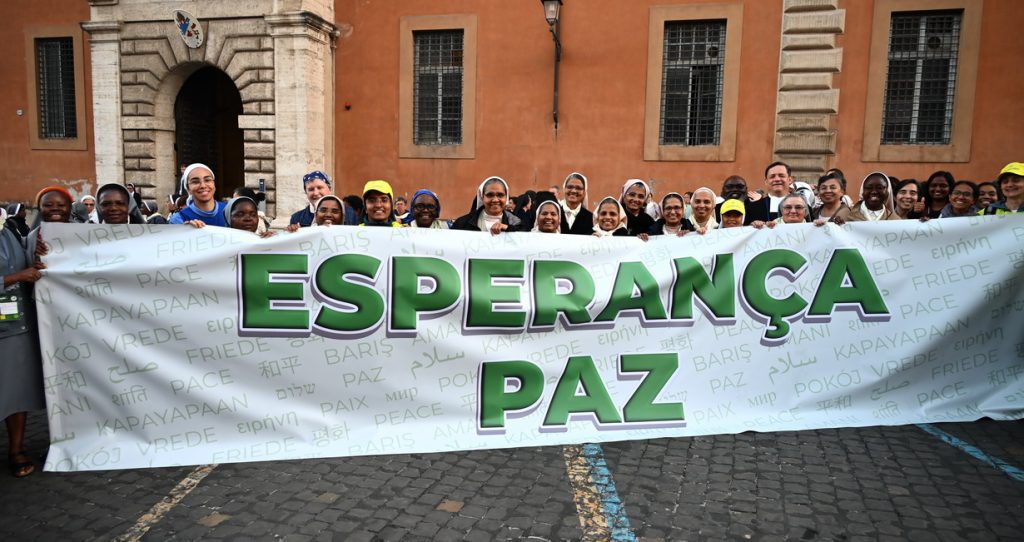
It is particularly significant to highlight the witness offered by contemplative men and women. For them, fraternal life has broader and deeper dimensions, which derive from the fundamental demand of this special vocation, the search for God alone in silence and prayer. Their constant attention to God makes their attention to other members of the community more delicate and respectful, and contemplation becomes a liberating force that protects them from every form of selfishness. Fraternal life in common, in a monastery, is called to be a living sign of the mystery of the Church: the greater the mystery of grace, the richer is the fruit of salvation.
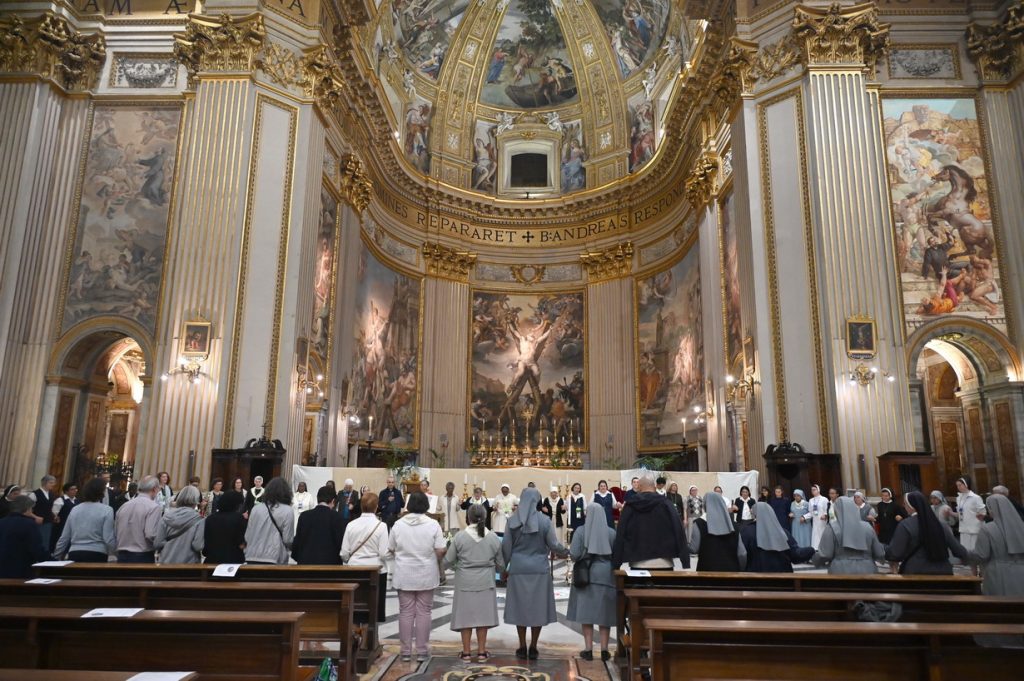
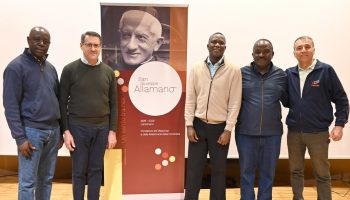
In truth, the Spirit of the Lord who gathered together the first believers, and who continually calls the Church into one single family, calls together and nourishes religious families. By means of their communities spread throughout the world, these religious families have the mission of being clearly readable signs of that intimate communion which animates and constitutes the Church. As such, they become a support for the fulfilment of God’s plan. In this year of community life, let us ask God through the intercession of St. Joseph Allamano the master of family spirit, that we may be true expression of ecclesial communion wherever we work in the world.
* Father Jonah Makau, IMC, Postulation & History Office, Rome.