This centenary is a providential moment of grace, praise and thanksgiving to God for the gift of Saint Joseph Allamano. The celebration draws us into gratitude for a founder whose life continues to shape missionary identity and inspire holiness across generations.
By Hortensia Damiani*
The Founder as father, model, and source of charism
Saint Joseph Allamano manifests the paternal face of the Church: gentle, available, attentive to both spiritual and human needs. He embodied a spirituality that fused deep intimacy with God and an unwavering commitment. As founder, his life and teaching crystallized a charism: a missionary heart formed in contemplation, expressed in concrete service, and ordered to the evangelization of those who have not yet heard the Gospel. For his spiritual children; Consolata Missionaries and the wider family of collaborators, he remains both father and schoolmaster of holiness and mission.
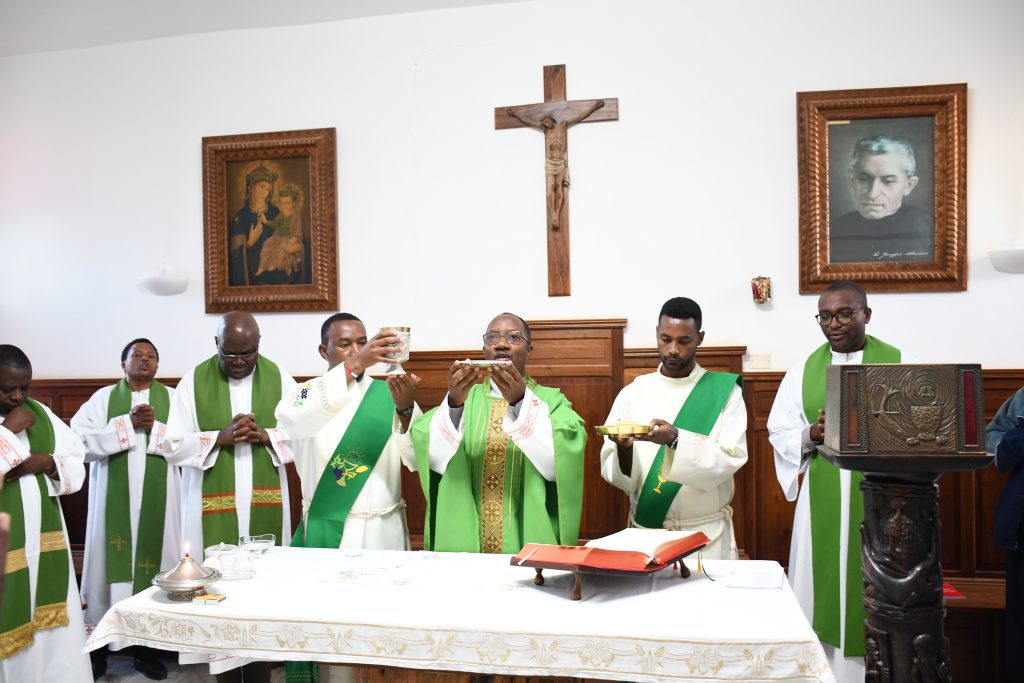
Renewed missionary zeal and review of the charism
This centenary has provoked not nostalgia but re-awakening: a careful rediscovery of the charism and a critical but faithful review of apostolic practices. It challenges Institutes to ask how well they transmit the original missionary spirit in changing cultural, social, and ecclesial contexts. The celebration stimulates vocational discernment, formation programs, and missionary planning so that evangelizing activity remains rooted in prayerful union with Christ and responsive to contemporary needs.
Holiness as the foundation for mission
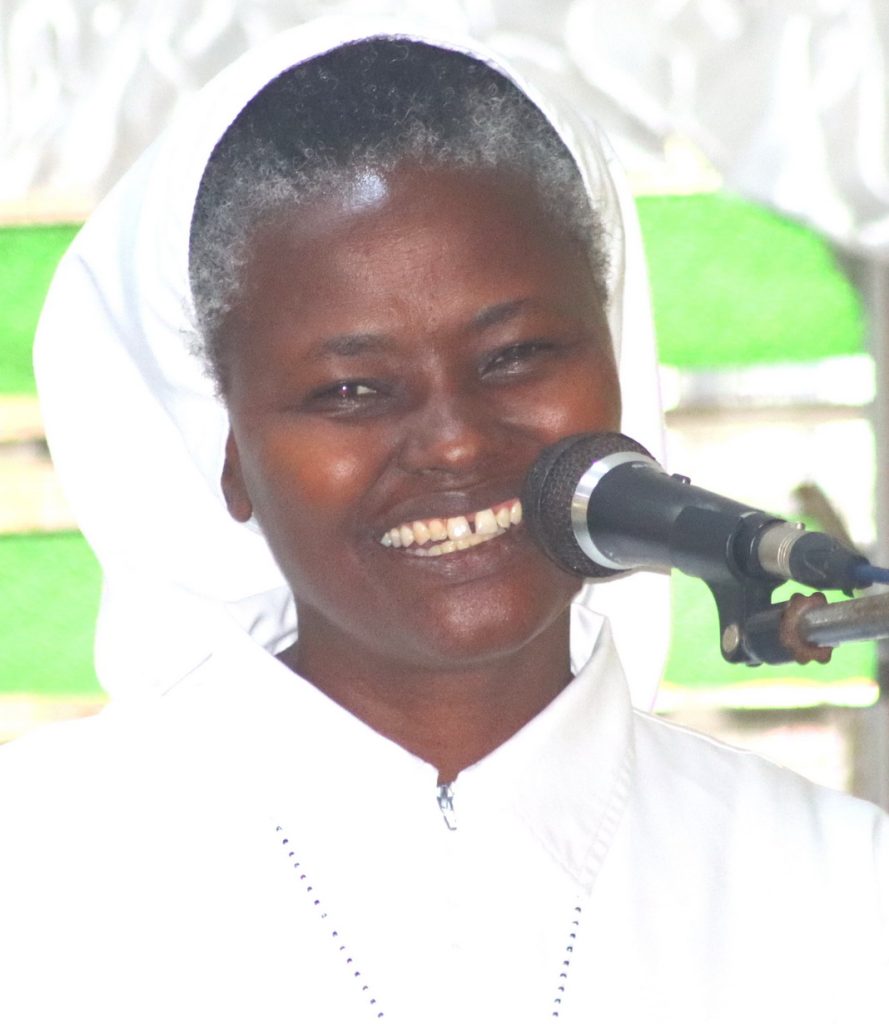
Allamano’s maxim; “first saints, then missionaries” is the theological hinge of this reflection. Mission is not a program of techniques but the fruit of personal sanctity. Holiness here is practical and relational: fidelity in ordinary duties, joy in service, readiness to sacrifice, and the cultivation of virtues (faith, hope, love, humility, trust). Living holiness reshapes priorities: evangelization becomes less about expansion and more about witness, conversion, and building communities that mirror the Kingdom.
What this says to the People of God
The message to the People of God is twofold: first, a pastoral assurance that God loves and seeks every human person; second, a concrete model of how love is to be lived. Allamano’s life speaks especially to the marginalized; the children, the poor, those on the cultural and religious peripheries; yet his teaching applies to every Christian. He invites the faithful to love those they serve, to perform ordinary duties with extraordinary charity, and to trust in God’s providence while laboring for the flourishing of others.
Concrete fruits: evangelization, service, and human promotion
The centenary celebrates visible fruits: schools, clinics, parish communities, formation houses, and ongoing pastoral outreach across Africa, the Americas, Europe, and Asia. These apostolates incarnate the Gospel in education, health, social development, and pastoral care. The missionaries’ work has opened pathways to human dignity and integral evangelization; bringing spiritual hope together with tangible improvements in people’s lives.
Communal and vocational implications
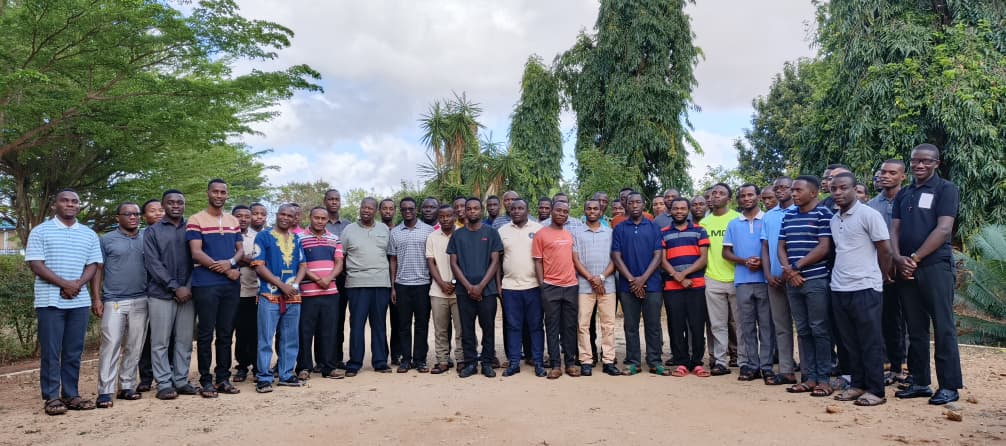
For communities and individual believers, the centenary is a call to formation and mission. Religious and lay collaborators are urged to deepen prayer life, strengthen sacramental practice, and renew commitments to service. Vocations are encouraged not as escape but as response: vocational promotion that emphasizes holiness, missionary availability, and adaptability to new settings. Formation programs; human, spiritual, pastoral, and cultural, must be attentive to local realities so the charism remains life-giving.
A pastoral challenge: accompaniment and inculturation
A living fidelity to Allamano’s charism requires ongoing accompaniment of communities and respectful inculturation, listening before acting, building relationships, and allowing the Gospel to speak into culture without domination. Missionary presence must be educational, therapeutic, and liberative, always aimed at empowering local Churches and fostering indigenous leadership.
Personal resolution and prayerful entrustment
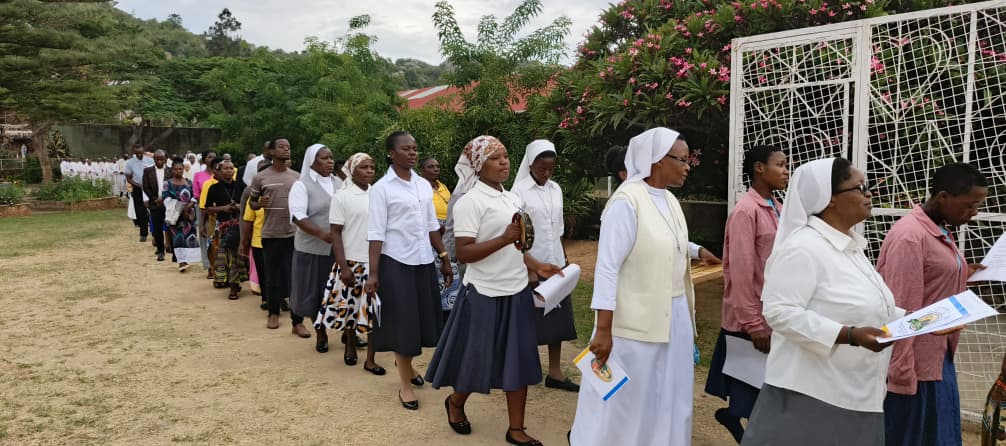
On a personal level, the centenary summons each believer; religious and lay, to renewed conversion and commitment. It is a time to ask: How will I live “first saint, then missionary” in my daily circumstances? How will I allow Mary Consolata’s tender maternal care to shape my service? The appropriate response is humble re-dedication: prayer, sacrifice, concrete acts of charity, and readiness to be sent where the Gospel is most needed.
Conclusion: legacy and future
Saint Joseph Allamano’s legacy is not a closed history but a living fire. The centenary is both thanksgiving and commissioning: gratitude for past fruits and commissioning for future witness. May the Church and all who share his spirit be strengthened to bring consolation, hope, and the Gospel to every human person; especially the least, so that the mission entrusted to the Church continues to bear abundant fruit.
Saint Joseph Allamano, pray for us.
* Sr. Hortensia Damiani, a Consolata Missionary Sista working in Tanzania.