“We are not only mourning a priest, but celebrating a life that was a continuous offering to God for half a century.” This was the common sentiment expressed at the final farewell to a priest who touched the hearts of thousands and who passed away on February 2, 2026, in Nairobi (Kenya), on the Solemnity of the Presentation of the Lord, a day dedicated to Consecrated Life.
By Patrick Irungu Mungai *
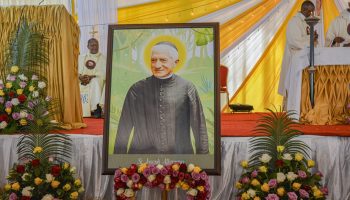
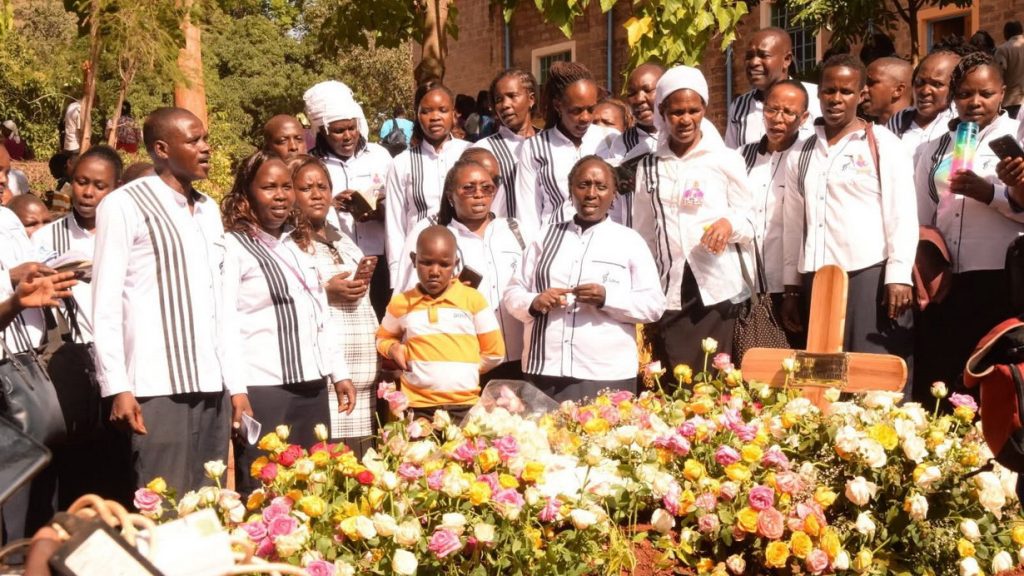
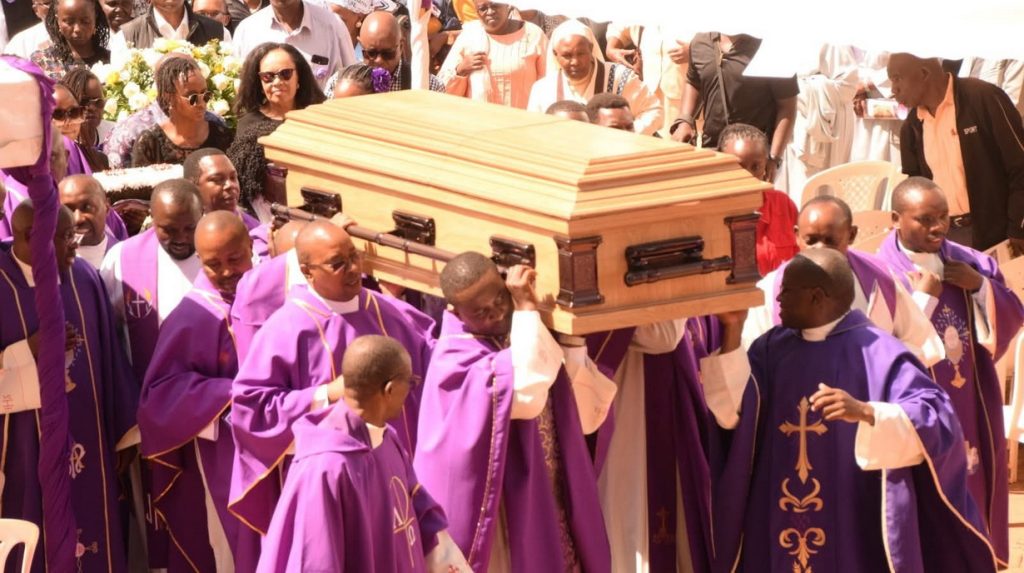
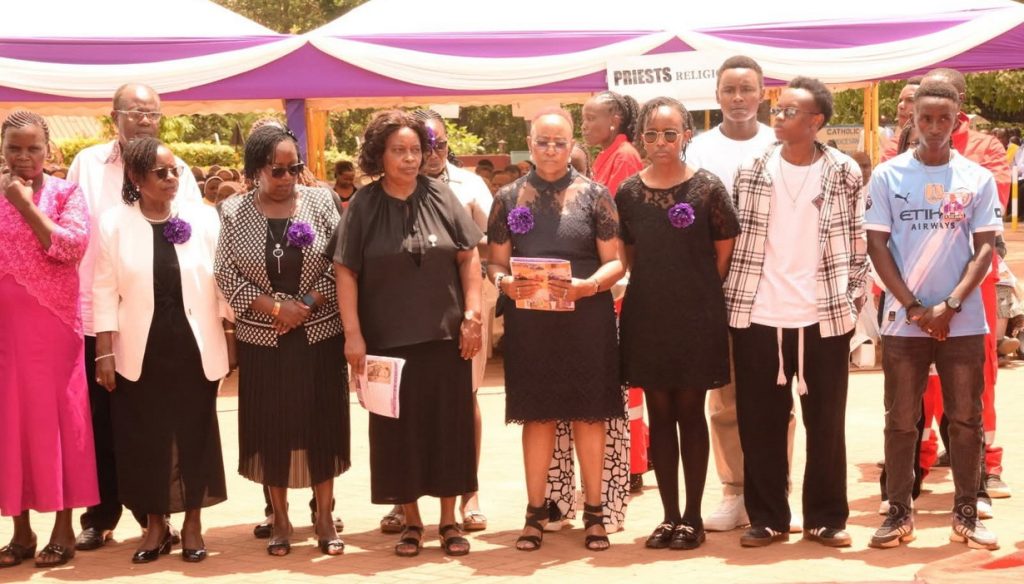
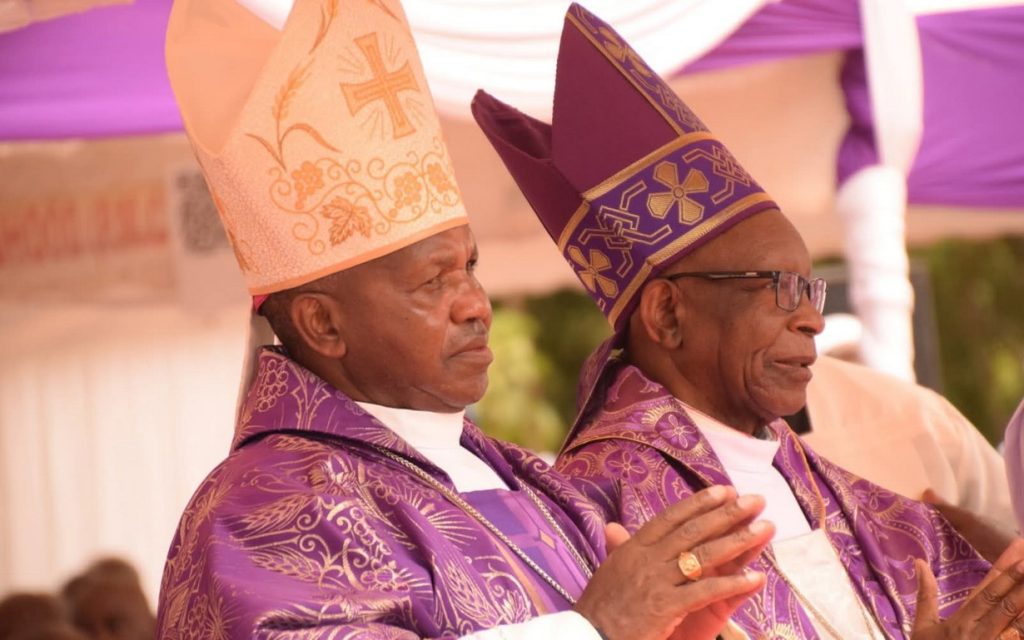
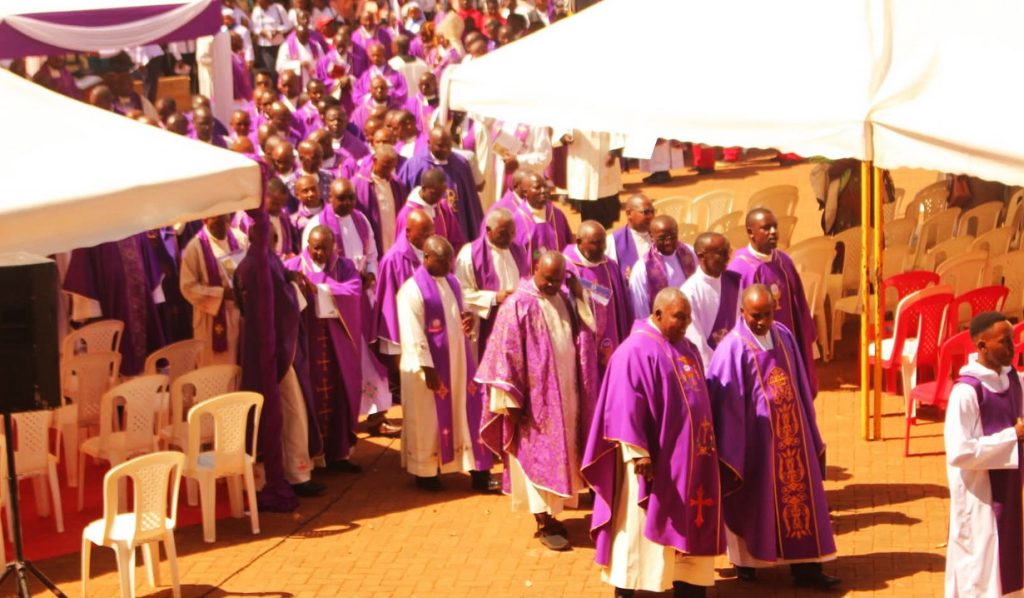
The funeral ceremony took place on February 9 in the cathedral of Murang’a, where the Archbishop Emeritus of Nyeri, Monsignor Peter Joseph Kairo, who was the first bishop of Murang’a, presided over the Holy Mass together with the current bishop, Monsignor James Maria Wainana, accompanied by priests, religious men and women, and thousands of people who had known him.
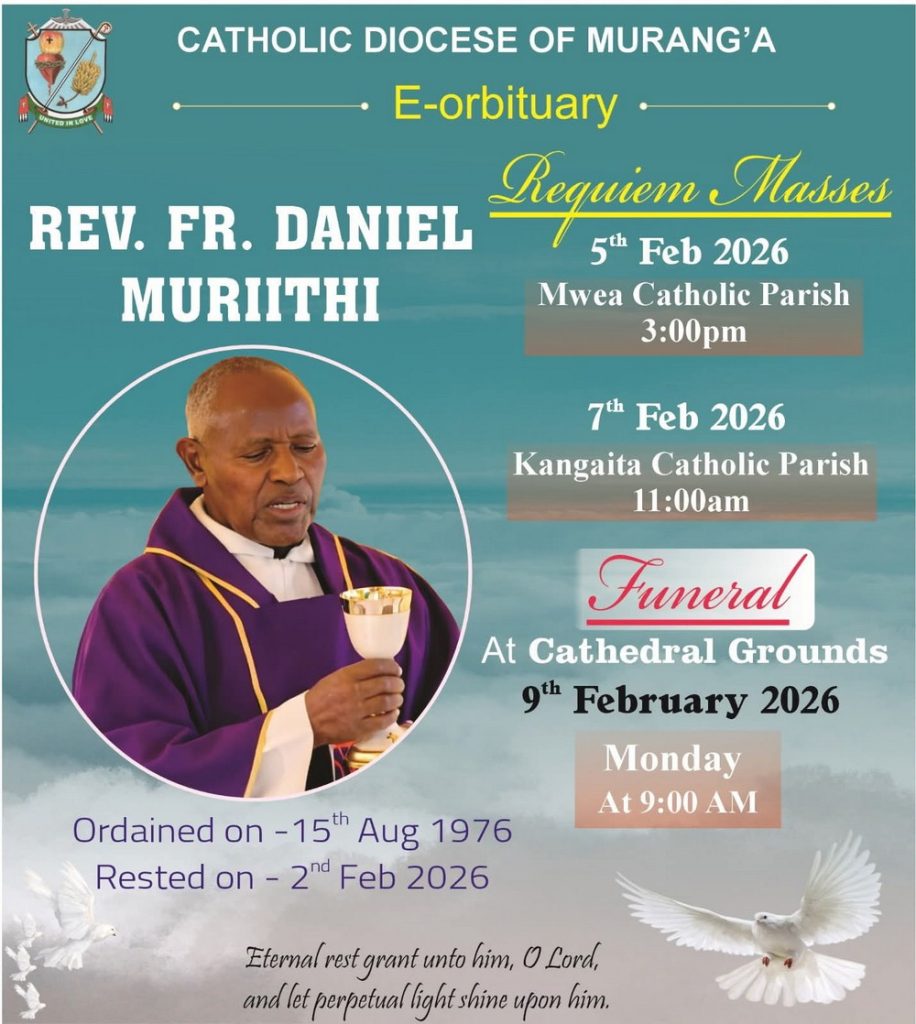
Father Daniel Mureithi was a much-loved figure and will be remembered not only for his spiritual service, but also for his commitment to education and the well-being of young people; for his pastoral work in various parishes, where he stood out for his humility and closeness to the people; and for being a pillar of support for the community during times of social difficulty.
During the Mass, the bishops emphasized that his life was centered on faithfulness and tireless service throughout nearly 50 years of ministry, as he was ordained in 1976. Their message highlighted the following key points:
Voice of wisdom: He was described as a “library of faith.” Having served under several bishops, his role as a mentor to younger priests and his stability within the Diocese of Murang’a were underlined.
Faithful to the end: His life was a testimony of having “run the good race.” Reaching 50 years of priestly life is a sign of deep devotion and spiritual resilience.
Call to unity: In the homily, the community was urged to keep alive Father Mureithi’s legacy of charity, encouraging the faithful to care for others with the same humility with which he did.
A “good shepherd”: According to people’s testimonies, he was a man who never sought personal glory, but the well-being of his parishioners.
The Link with the Consolata Missionaries
The Missionari della Consolata were pioneers of Catholic evangelization in central Kenya. Their history in what is now the Diocese of Murang’a began in 1902, when the local chief Karuri wa Gakure invited the first four Consolata missionaries to settle on his lands: Fathers Thomas Gays and Filippo Perlo, together with Brothers Celeste Lusso and Luigi Falda. They founded several missions, including:
1902, Tuthu (Our Lady Consolata) – where the first Mass was celebrated on June 29, 1902 under a sacred Mugumo tree.
1902, Murang’a (Sacred Heart) – now the seat of the Cathedral of the Diocese.
1904, Mugoiri (Our Lady of Sorrows)
1907, Gaturi (Queen of the Apostles) – founded as part of the “intermediate stations” strategy to connect the missions of Nyeri and Murang’a.
1908, Ichagaki (Our Lady of the Assumption)
1910, Gatanga (St. Joseph the Worker)
1910, (Our Lady of Fatima)
The missionaries continued to administer these missions until the Diocese of Murang’a was officially erected on March 17, 1983, separating from the Archdiocese of Nyeri. Since then, administration has mainly passed into the hands of the local diocesan clergy.
The story of Father Daniel Mureithi is essential for understanding the Church’s transition in Murang’a from a foreign mission to a local institution. Where the Consolata missionaries laid the foundations, men like Father Daniel Mureithi ensured continuity in building the spiritual structure of today’s community.
Father Daniel Mureithi is historically significant as one of the first African priests ordained in the Diocese of Murang’a and the first Vicar General since its establishment as a diocese. His ordination was not only a personal milestone, but also a symbol that the seed planted by the Consolata in 1902 had finally borne local fruit.
He grew up in a time when being Catholic and being educated within the missionary system required great determination. The following aspects can be noted:
Influence: He was educated by the Consolata Missionaries, who saw in him the potential for ecclesial leadership.
Seminary formation: He continued his studies in philosophy and theology during a period of major social change in Kenya (at the beginning of independence), which shaped his vision of a Church close to the sufferings and aspirations of his people. Unlike missionaries coming from abroad, Father Daniel spoke not only with his mouth, but also with his heart, in the language of the people of the Murang’a highlands, and for this reason one can say that it came naturally to him.
Pioneer of inculturation: He contributed to making Catholic rites less “foreign” for the Gikuyu people (the ethnic group of Murang’a), integrating local values with the Christian faith.
Mentor of generations: After ordination, he worked in various parishes of the diocese and in different pastoral roles, as his biography recounts, becoming a model for the young men who would later form the great majority of today’s diocesan clergy.
His life is of great importance because it represents the bridge between the era of the pioneering Consolata missionaries and the era of the autonomous local Church. Without figures like him, the Diocese of Murang’a would not have been able to establish itself as an independent entity in 1983, as he demonstrated that the local clergy were ready to lead.
In the Murang’a region, Father Daniel is remembered with deep affection for his humility and his ability to mediate community conflicts during the difficult years of the struggle for independence and the consolidation of the faith.
* Fr. Patrick Irungu Mungai, IMC, missionary in Mexico.