When the General Government unveiled the slogan, “being one single family for the same mission”, for the Year of Community Life (2 March 2026 to 2 March 2027), I initially took its meaning for granted, assuming the words were merely simple, everyday terms.
By Charles Orero *
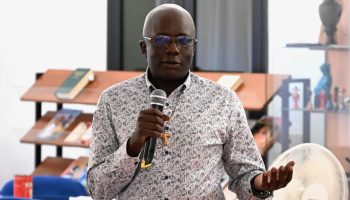
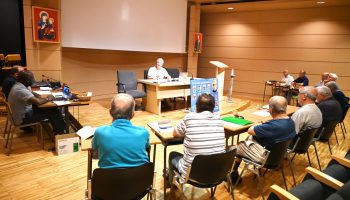
However, through our weekly reflections on community life here in our IMC Community at Makambako with Fr. Synphorein Kapumba, IMC, a profound revelation has unfolded.
It has become abundantly clear that the General Government did not choose this slogan by chance or accident; rather, it was the mature fruit of their shared contemplation, deeply rooted in prayer and discernment.
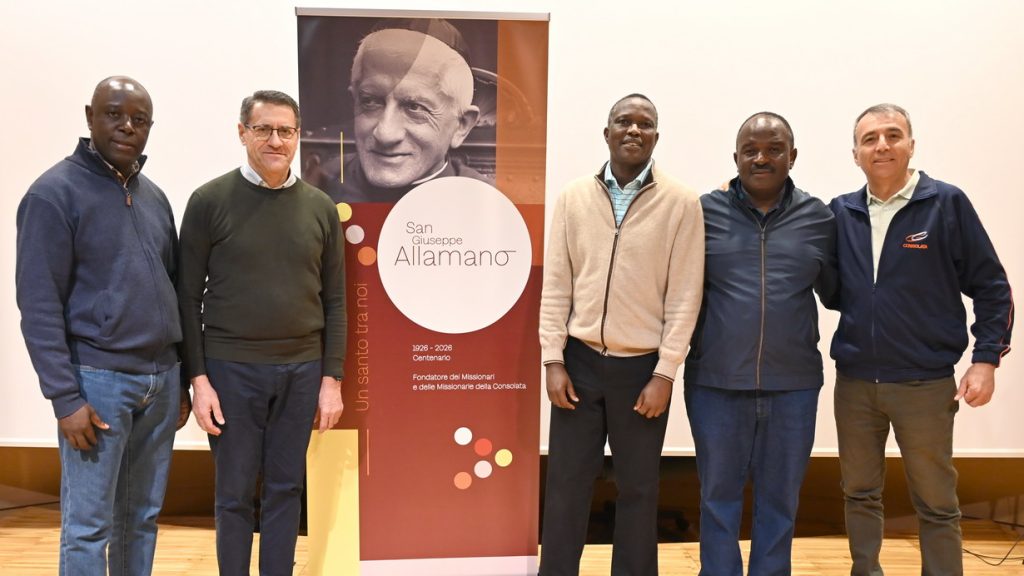
I have come to realize that this slogan possesses profound spiritual, Psychological philosophical, theological, sociological, and anthropological depth.
To reflect upon it truly, one must integrate all of these disciplines; otherwise, our reflection remains incomplete and half-baked.
In light of this, I wish to revisit our Year of Community Life through a spiritual lens, drawing an analogy from the physiological law of organic life: ontogeny recapitulates phylogeny.
Put in simple language, this law means that, the same process which has brought a certain race to its present state of development must be reproduced, as if in an abridged and condensed form, in the life of each individual.
In the field of Spirituality, the phrase “ontogenesis must reproduce phylogenesis” takes on a profound, redemptive meaning. It is translated through the ancient, biblical doctrine of Recapitulation.
We must bear in mind that, the early Church Father St. Irenaeus of Lyons (2nd century) developed the Recapitulation Theory of Atonement based on Ephesians 1:10, which states that God’s plan is “to sum up all things in Christ.”
How then do I approach a reflection on the IMC Year of Community life based on the phrase “ontogenesis must reproduce phylogenesis”? Using the words of Saint Augustine I too must say: ‘’ A great work this, and an arduous; but God is my helper.’’
In the Institute, the individual missionary represents the “ontogeny,” while the Institute’s history, charism, and communities constitute the “phylogeny.”
Therefore, for the Consolata Missionaries to thrive in this Year of Community Life, each missionary must personally relive, internalize, and manifest the communal blueprint laid down by Saint Joseph Allamano and the early pioneer missionaries.
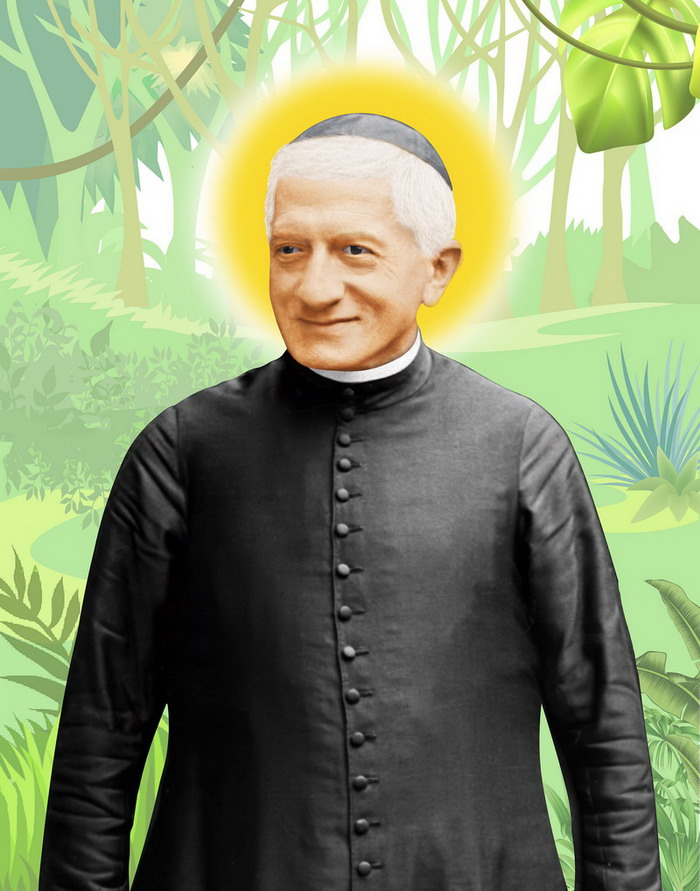
In this sense, the Year of Community Life serves as a reminder to every missionary that he is not an isolated individual; rather, he carries a shared IMC spiritual DNA.
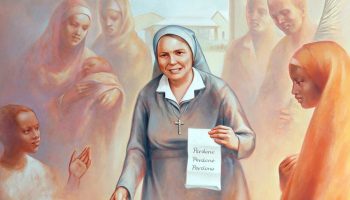
Our Founder, Saint Joseph Allamano, did not design an individualistic spirituality—he designed a family whose phylogeny is deeply rooted in fraternal charity, a deep interior life, and apostolic zeal.
Saint Joseph Allamano envisioned community life not as a mere domestic arrangement, but as the primary laboratory of consolation.
Just as St. Irenaeus spoke of Christ recapitulating humanity, our Founder summed up a specific way of being Christ to the world—bringing comfort to a fractured humanity. Community life is the primary laboratory where this comfort is first practiced.
The history of our Institute is full of heroic missionary sacrifices. But that history is dead if it isn’t reproduced today in how a missionary live in their community. Personal transformation must happen in community before it can be exported to the mission.
Therefore, each missionary must ask himself:
• Is the spirit of Allamano being born again in my daily actions?
• Are the community dynamics proposed by Allamano, and held in high esteem by our pioneer confreres, found and lived within our communities?
These simple questions should challenge us during this holy year to study the life of Allamano not as ancient history, but as a mirror for our current behavior.
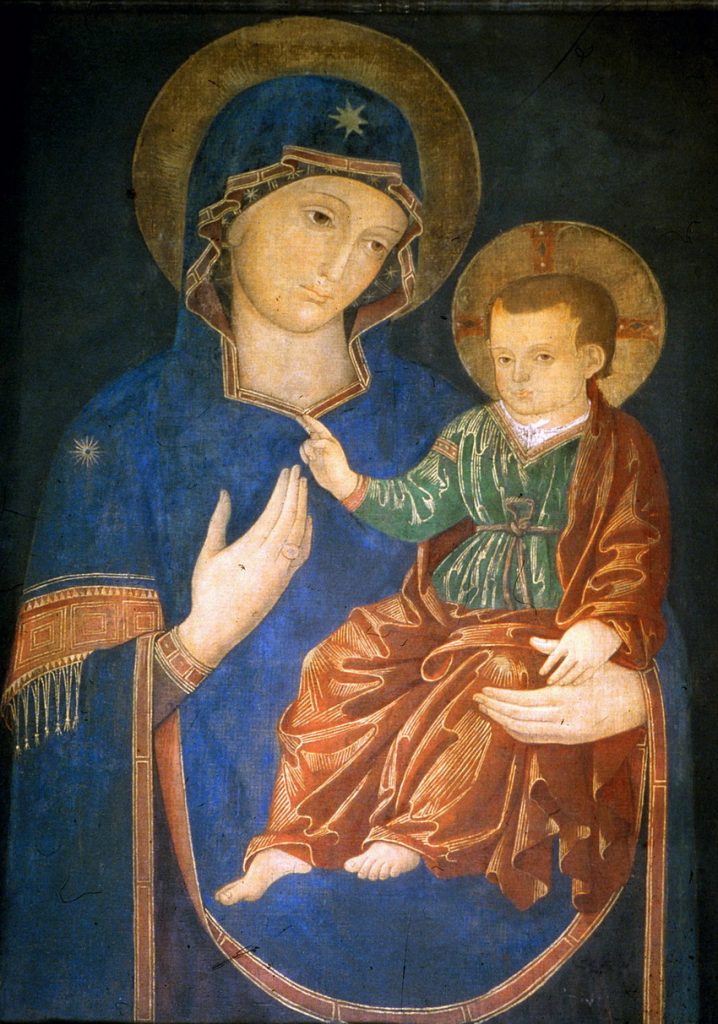
In addition, these two questions must remind us that we are called to help each other evolve within the community. When a brother falls, the community must hold the ‘phylogenetic blueprint’ of grace to help him rebuild his individual ‘ontogeny.’
Let us all bear in mind that the future evolution of our Institute depends entirely on how perfectly each of us reproduces our holy origins in the quiet, daily moments of community life.
Let us all remember that; we cannot carry the Consolation of God to the ends of the earth if our own community houses are deserts of isolation.
The “ontogeny” of our personal holiness must first learn to love the confrere right next to us before our “phylogeny” can successfully evangelize the nations.
Our Founder Saint Joseph Allamano placed us under the mantle of Our Lady of Consolation. Mary is the spiritual womb where our individual, fragmented lives (ontogeny) are reshaped into the likeness of Jesus, the Ultimate Consoler (phylogeny).
To live a true Year of Community Life, we must gather around Mary as the Apostles did in the Upper Room, allowing her to knit us from isolated individuals into a singular, missionary body.
Confreres, Saint Joseph Allamano reminded us that we must be “first saints, then missionaries.” The Eucharist is where Christ’s universal redemptive history (phylogeny) actively enters our individual, small lives (ontogeny).
When we gather as a community around the altar, our individual differences, cultural biases, and personal egos are consumed by the divine fire, evolving us from a mere group of roommates into a Eucharistic communion sent forth to heal a broken world.
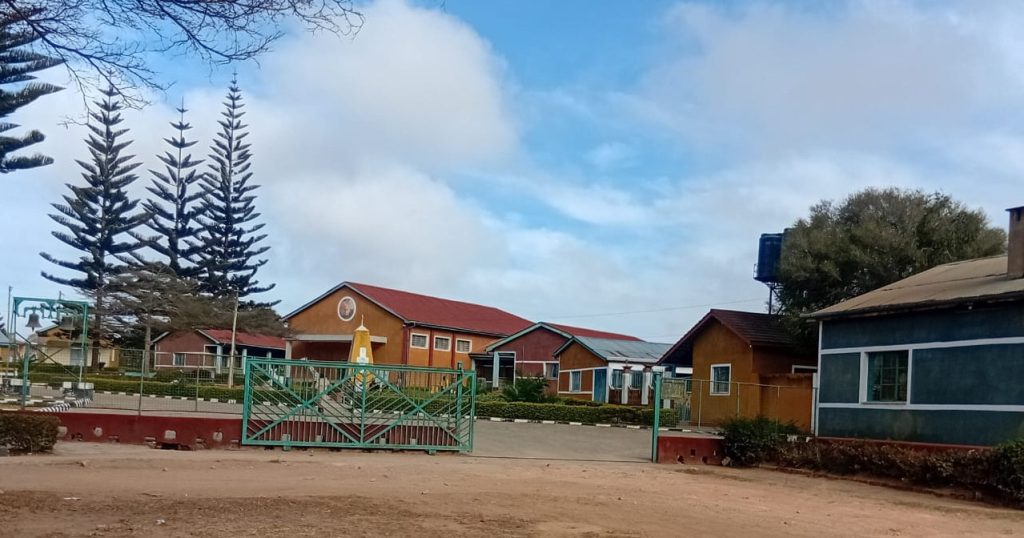
Our Institute’s history is written in the sweat and sacrifices of tireless confreres who poured themselves out for the evangelization of the people. During this year of community life, we are called to inherit their spiritual legacy. By dying to ourselves and pouring ourselves out for our communities, we reproduce that heroic missionary spirit-becoming missionaries “in the mind, on the lips, and in the heart,” just as Saint Joseph Allamano taught.
Finally, let us ask ourselves: Are we treating our communities merely as gas stations where we refuel our individual missionary engines, or are we embracing them as the true Body of Christ where we grow and evolve together?
* Father Orero Charles, IMC, Makambako Parish, diocese of Njombe in Tanzania.