Continuity, civilization, and historical marginalization
Among the great religious traditions of humanity, Ethiopian Christianity occupies a unique and remarkable position. According to some scholars, only few institutions in world history can claim such an extraordinary combination of antiquity, continuity, sociocultural influence, and resilience.
By Ashenafi Yonas Abebe *
Emerging in the ancient Kingdom of Aksum in the fourth century, Ethiopian Christianity has survived for nearly seventeen centuries while preserving a distinctive spiritual, intellectual, and cultural identity.
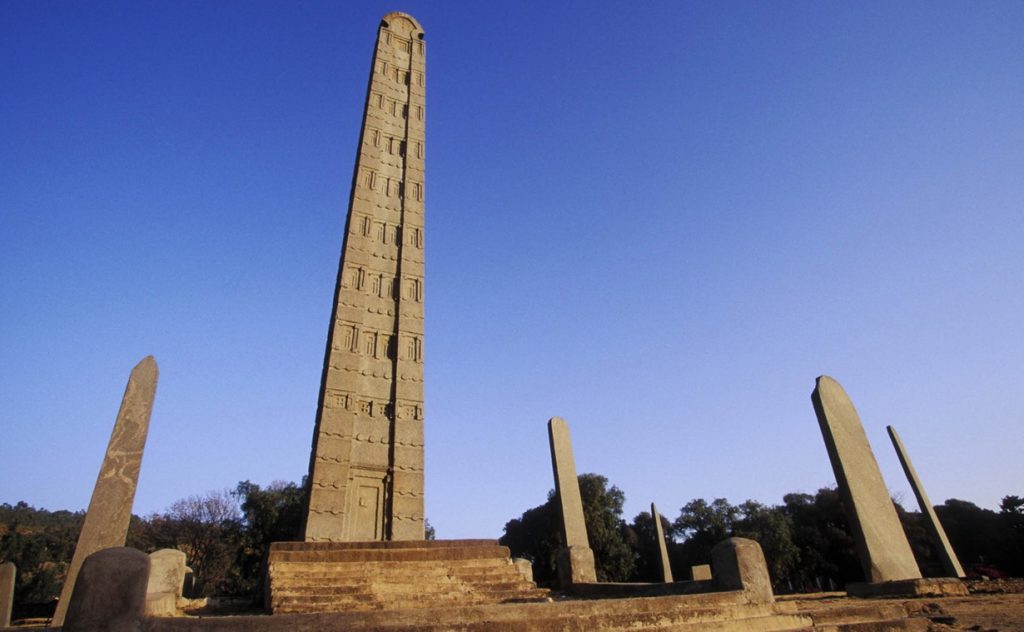
More than a religious tradition, it has served as one of the principal foundations of Ethiopian civilization and history and remains one of the oldest continuous Christian communities in the world. Its significance extends far beyond Ethiopia itself. Ethiopian Christianity stands as a living bridge connecting the ancient world, medieval African civilization, and contemporary global Christianity. This raises a key historiographical question: why has Ethiopian Christianity remained largely marginal in narratives of World, Church, and African history?
Ethiopia entered the Christian consciousness of Western and the Mediterranean world through both biblical tradition and early Christian writings. The account of the Ethiopian eunuch baptized by Philip (Acts 8:27-39) and the traditions associated with the Queen of Sheba and the Solomonic lineage (1 Kings 10:1-13; 2 Chronicles 9:1-12; Matthew 12:42) became foundational narratives that situated Ethiopia within the biblical, apostolic and Christian imagination. Historical sources indicate that the formal origins of Ethiopian Christianity date to Late Antiquity, one of the most formative periods in the development of Christian history. During the fourth century, the Kingdom of Aksum, centered in present-day Ethiopia and Eritrea, adopted Christianity under King Ezana. This occurred during the same historical period in which Christianity was becoming firmly established throughout the Roman world. Ethiopia therefore joined the Christian community at a very early stage, becoming one of the first states in history to officially embrace the faith. While Christianity is often associated today with Europe, Ethiopia’s historical experience demonstrates that the faith had already become firmly established in Africa centuries before it spread widely across much of Northern and Western Europe.
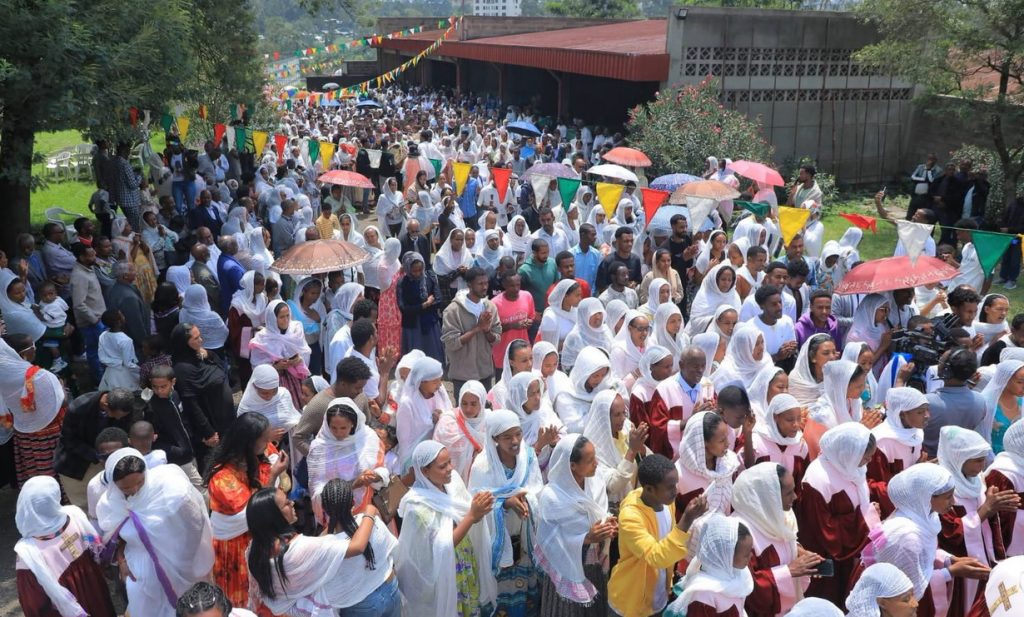
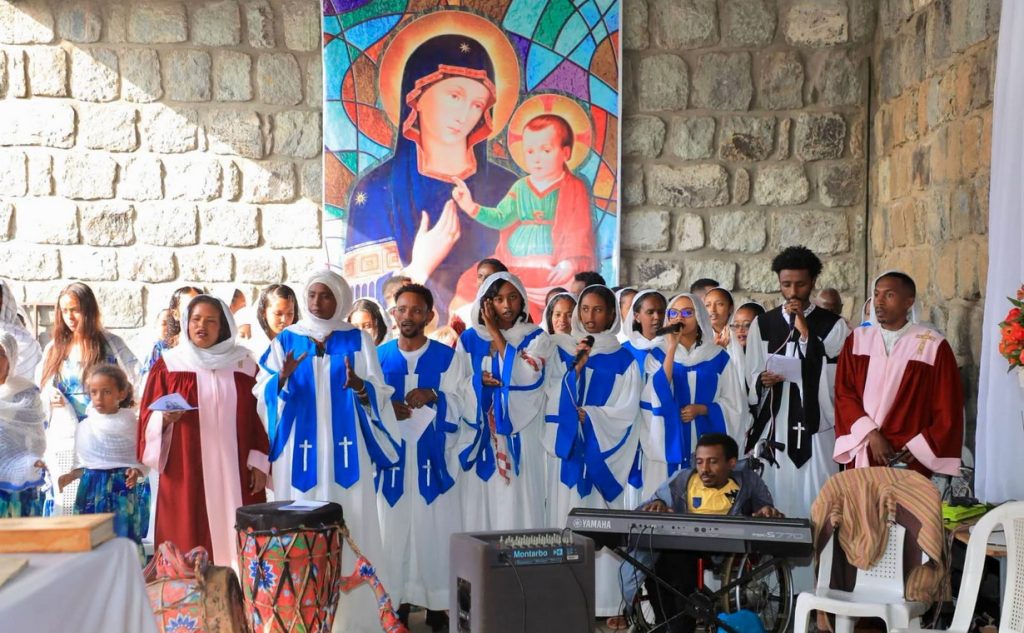
What makes Ethiopian Christianity particularly significant is not simply its age but also its continuity and endurance. Many ancient civilizations left behind monuments, texts, and archaeological remains, yet their religious traditions disappeared or survived only as historical memories. In contrast, Ethiopian Christianity has remained a living tradition. Its liturgies have continued to be celebrated, monasteries have remained active, sacred texts have been copied and preserved, and communities have faithfully transmitted their beliefs from one generation to the next. This continuity provides historians with a rare opportunity to observe a tradition that has maintained a direct connection with the Christian world of Late Antiquity.
The preservation of the Ge’ez language illustrates this continuity vividly. Although it is no longer spoken in everyday life, Ge’ez remains the liturgical language of the Ethiopian Church. Much as Latin preserves a connection with the Christian heritage of medieval Europe, Ge’ez serves as a living link to Ethiopia’s ancient past. Through its liturgy, manuscripts, hymns, and sacred texts, Ethiopian Christianity preserves elements of a world that otherwise survives only through historical records.
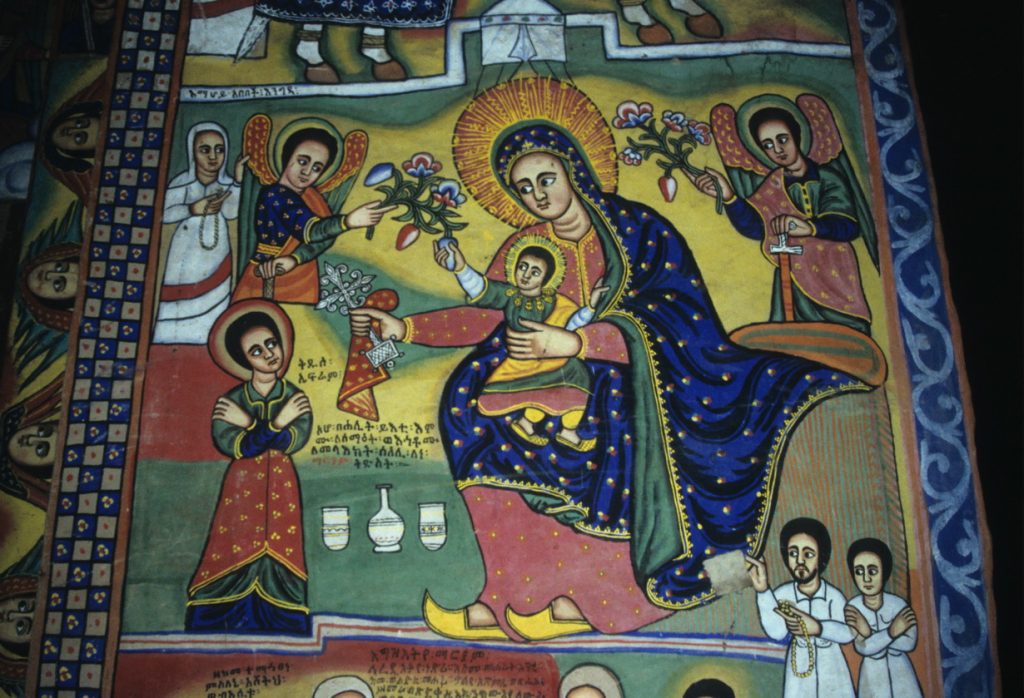
The survival of this religious tradition was far from inevitable. Throughout its history, Ethiopia faced numerous challenges, including political fragmentation, foreign invasions, religious conflicts, and periods of economic and social upheaval. Scholars identify several factors that help explain its remarkable endurance. For example, its geographical position, in particular, played a crucial role. The Ethiopian Highlands, with their rugged mountains and difficult terrain, provided natural protection and allowed religious communities to flourish in relative security. Monasteries were often established in remote locations, where they became important centers of learning, spirituality, and cultural preservation. Equally important has been the close relationship between Christianity and Ethiopian statehood, a connection that has profoundly shaped the country’s political institutions, cultural identity, and historical development. Unlike many Christian communities that survived as minorities under foreign rule, Ethiopian Christianity developed within indigenous kingdoms that regarded themselves as guardians of the faith. Emperors, nobles, regional rulers, monks, and local communities all contributed to sustaining a Christian civilization whose institutions became deeply embedded in the political and cultural life of the country. Christianity was not merely adopted as a religion; it became a fundamental component of Ethiopian social, political, religious, and cultural identity.
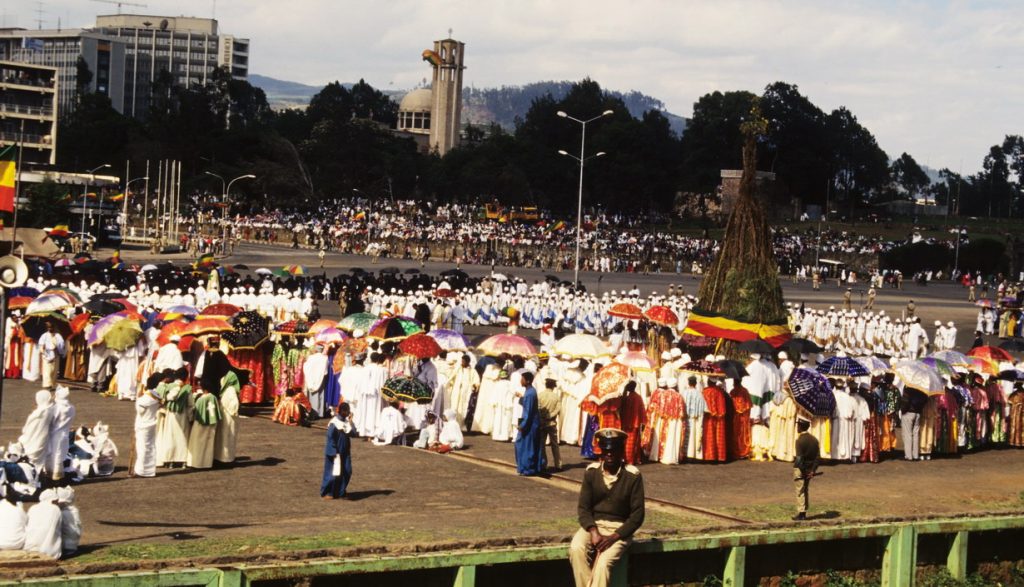
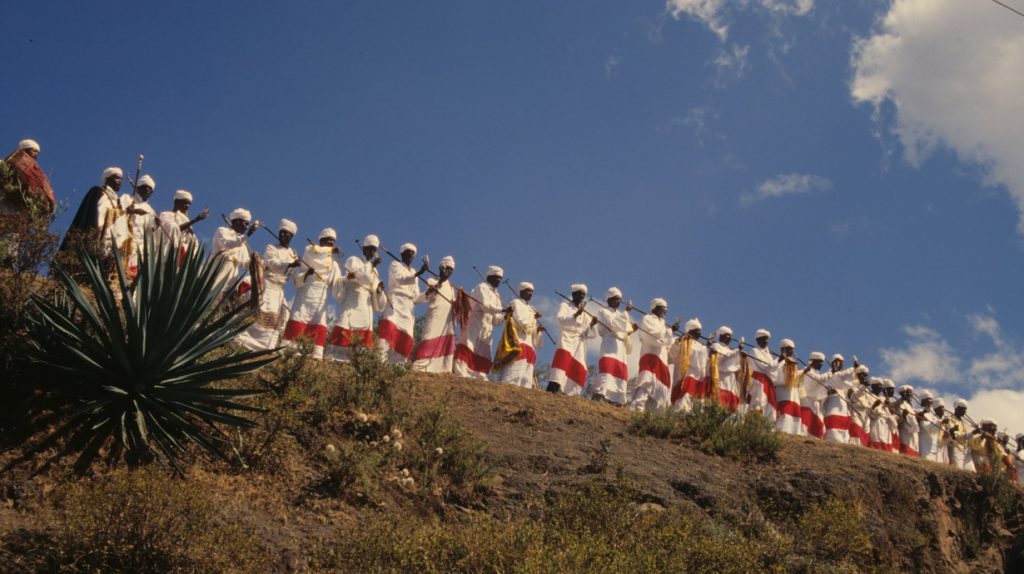
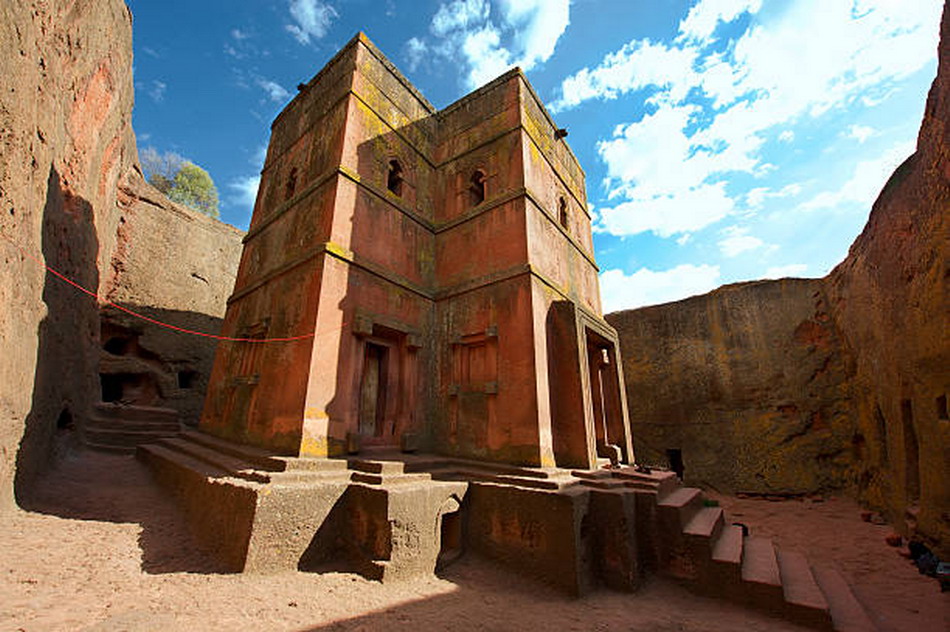
This close integration of Christianity with Ethiopian society and statehood gave rise to one of Africa’s most remarkable medieval civilizations. Medieval Ethiopia developed a sophisticated culture distinguished by theological scholarship, historical writing, artistic achievement, and monumental architecture. Among its most enduring legacies are the rock-hewn medieval churches of Lalibela, UNESCO’s world heritage, which rank among the most extraordinary religious monuments in the world. These churches are not merely historical monuments; they continue to function as vibrant centers of worship and pilgrimage, sustaining the spiritual life of Ethiopian Christians to the present day. Their continued disposal for the religious practices demonstrates a remarkable continuity that distinguishes Ethiopian Christianity from many other ancient Christian traditions. What medieval builders created centuries ago remains deeply woven into the acts of worship and communal life of contemporary Ethiopian society.
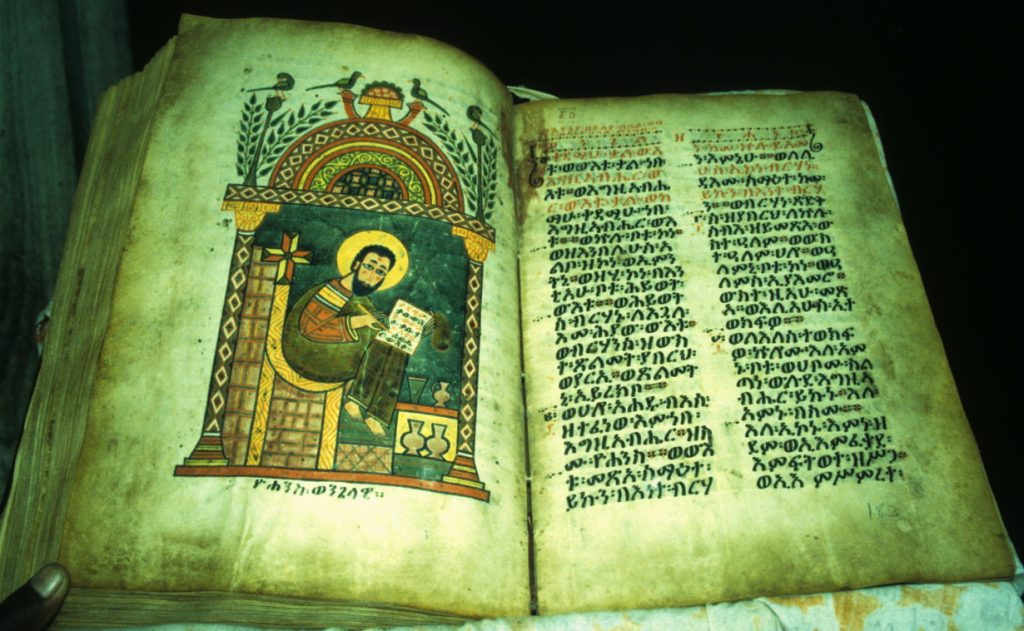
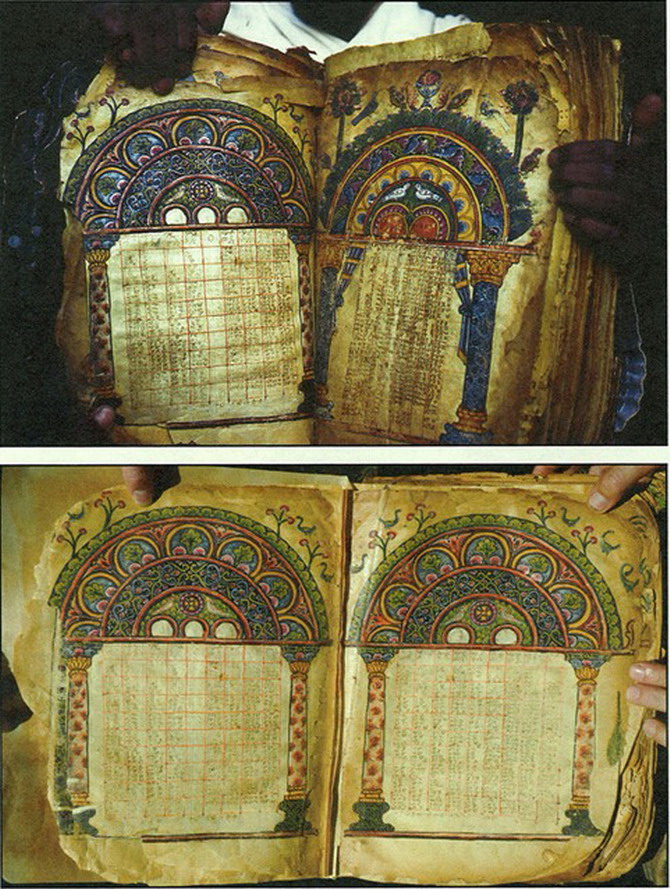
The significance of Ethiopian Christianity in African history and civilization cannot be overstated. For centuries, it served as one of the continent’s foremost centers of literacy, manuscript preservation, theological scholarship, and intellectual activity, making a lasting contribution to Africa’s religious, cultural, and educational heritage. Monasteries preserved theological works, royal chronicles, legal codes, poetry, and biblical texts. At a time when written traditions were relatively uncommon in many parts of Africa, Ethiopia maintained a rich literary culture that contributed significantly to the continent’s historical heritage. A notable example is the Garima Gospels, a collection of ancient illuminated Ge’ez manuscripts preserved at the Abba Garima Monastery near Adwa in northern Ethiopia. Widely regarded as the world’s oldest surviving illustrated Christian manuscripts, they date from between the sixth and seventh centuries and constitute one of the greatest treasures of Christian manuscript culture.
Furthermore, Ethiopia emerged as a powerful symbol of African sovereignty, resilience, and historical continuity. During the colonial era, its ability to preserve its independence distinguished it from most of the continent, making it a source of inspiration for Africans and people of African descent around the world. Ethiopia’s enduring sovereignty came to symbolize the possibility of political self-determination and freedom during an age of widespread colonial domination. The Ethiopian victory at the Battle of Adwa in 1896, in which an invading European army was decisively defeated, resonated far beyond its borders. For many Africans and members of the African diaspora, Ethiopia demonstrated that an African civilization could preserve its independence, dignity, and cultural identity despite external pressures. The country’s Christian heritage became closely intertwined with broader narratives of African pride, resistance, and liberation.
At the same time, Ethiopian Christianity occupies a distinctive position within the broader history of Christianity. It belongs to the Oriental Orthodox tradition, alongside the ancient Christian Churches of Egypt, Armenia, and Syria, preserving theological, liturgical, and ecclesiastical traditions that trace their origins to the earliest periods of the Christian era. Through centuries of theological development, Ethiopia preserved liturgical practices, spiritual traditions, and ecclesiastical structures that reflect some of Christianity’s oldest surviving forms. Yet it did so while developing a distinctly Ethiopian expression of the faith, characterized by unique traditions of music, art, architecture, monasticism, and biblical interpretation.
Importantly, Ethiopian Christianity was never isolated from the wider world. Through trade routes across the Red Sea, close ties with Egypt, contacts with the Islamic world, interactions with European travelers and diplomatic missions, and engagement with modern global Christianity, Ethiopia remained integrated into broader historical networks. Its achievement was not isolation but continuity amid change. The tradition absorbed external influences while preserving a strong sense of identity rooted in its own history and culture. This remarkable capacity for adaptation without losing its essential character helps explain why Ethiopian Christianity serves as a bridge across historical epochs. It connects contemporary believers with the ancient world in which Christianity first emerged and developed. It preserves the memory and achievements of a flourishing medieval African civilization while actively participating in the contemporary Christian world and responding to modern challenges.
In conclusion, few religious traditions can claim such a long and uninterrupted historical experience. Through its monasteries, churches, music, manuscripts, liturgical traditions, sacred language, and enduring communities of faith, Ethiopian Christianity has preserved and transmitted a rich spiritual and cultural heritage for more than seventeen centuries. Its remarkable continuity testifies to the resilience of religious institutions and to the enduring role of faith in shaping historical identity, cultural memory, and social life. Moreover, Ethiopian Christianity demonstrates that Africa has not merely been a recipient of global civilizations but also one of their creators and custodians.
It likewise underscores that Christianity has always been a universal faith whose history cannot be adequately understood through a narrowly Eurocentric perspective. For these reasons, Ethiopian Christianity deserves acknowledgement as one of humanity’s great living religious traditions and enduring cultural heritages. It stands both as a guardian of ancient memory and as an active participant in contemporary religious and cultural life. As a living bridge between the ancient world, medieval Africa, and modern Christianity, it offers a persuasive testimony to sociocultural and religious continuity, spiritual resilience and civilizational endurance.
Yet this raises an important contemporary historiographical question: why has Ethiopian Christianity so often occupied a marginal place within broader narratives of world history, church history, and even African history?
* Father Ashenafi Yonas Abebe, IMC, Doctor of Sacred Theology; Licentiate in Church History from the Pontifical Gregorian University; Deputy Director of the Historical Office of the Consolata Missionary Institute (IMC), Rome.