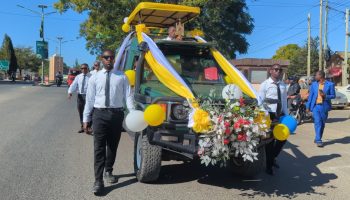
On October 15, 2025, Bishop Ludovick Minde, ALCP/OSS, officially entrusted to the Consolata Missionaries the designated Quasi-Parish of the Ascension of the Lord, Kimashuku, in the Diocese of Moshi. Since then, the Consolata Missionaries have been actively engaged in evangelization within this Parish. This marks our very first Parish in this Diocese at the feet of Kilimanjaro, the highest mountain in Africa.
By Benedict Msigwa*
Looking back at timeline
The story of Kimashukuru Parish begins in 1985, when Frs. Theobald Msambure, together with Fr. Augustine Mringi, both diocesan priests serving at Ntirini Parish, reached Kimashuku village. There, they held their first meeting aimed at identifying Catholic Christians in the area.
After confirming the presence of Catholics in the area, the first Small Christian Community of St. Bonaventure, was established. Sunday Masses were initially celebrated under a tree. The place was known as Kiungu, a traditional gathering place for the Chagga people.
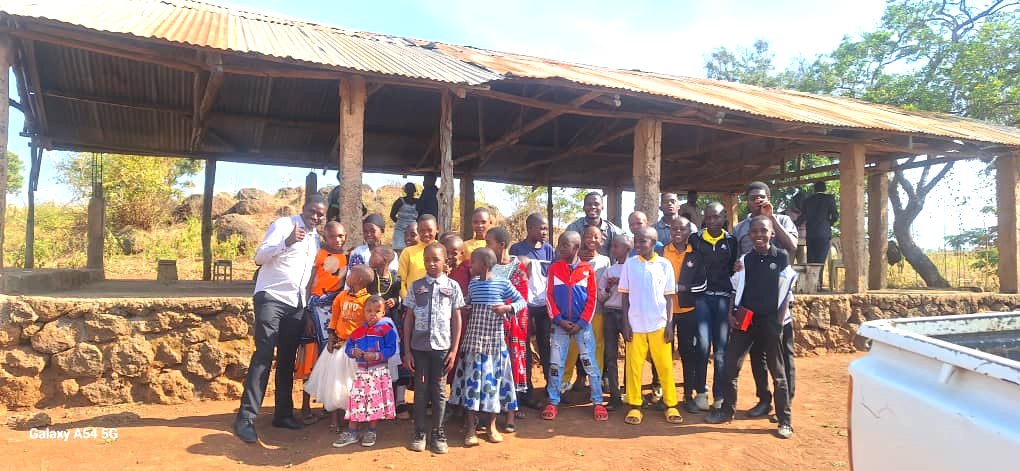
Later, a grass-thatched church was built there. The faithful continued to worship in that structure until they went to the district authorities to request land, and were granted 43 acres, part of which was later allocated by the Diocese for the construction of St. Pamakio Inclusive Secondary School. Currently, the designated parish retains 26 acres, including 3 acres used for farming at Lambo outstation.
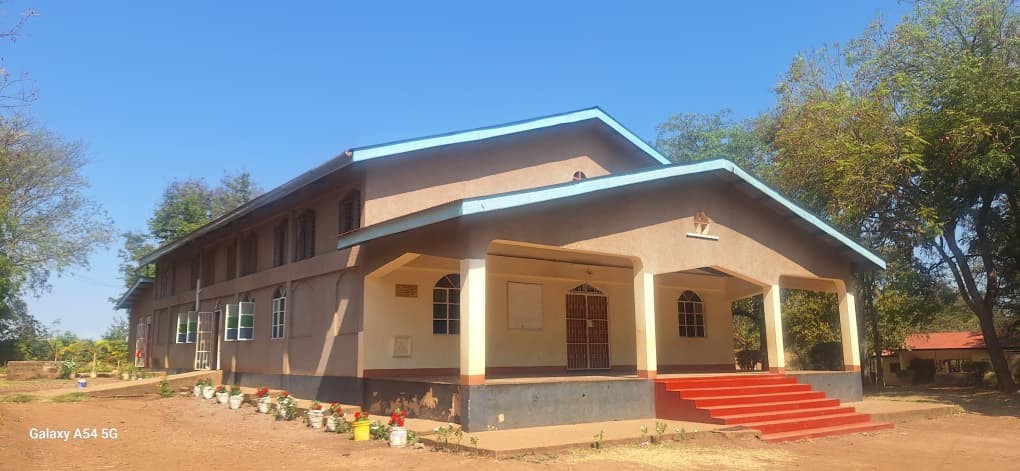
The current church site was previously a sisal plantation owned by the Kosta Sisal Company. After acquiring the land, a grass church was built to continue pastoral services. In 1988, Bishop Amedeus Msarikie, then the diocesan bishop, blessed the site and granted permission to construct the present church building.
When Kimashuku was elevated to a designated Quasi Parish, it was entrusted to several diocesan priests. Currently, it is under the care of the Consolata Missionaries, led by Fr. Benedict Msigwa and Deacon Joseph Waguri.
Spiritual Life
The Parish has approximately 1,000 Catholic faithful organized into 16 Small Christian Communities: Kimashuku: 8 communities, Lambo Outstation: 3 communities and Kiangaa Prayer Center: 5 communities.
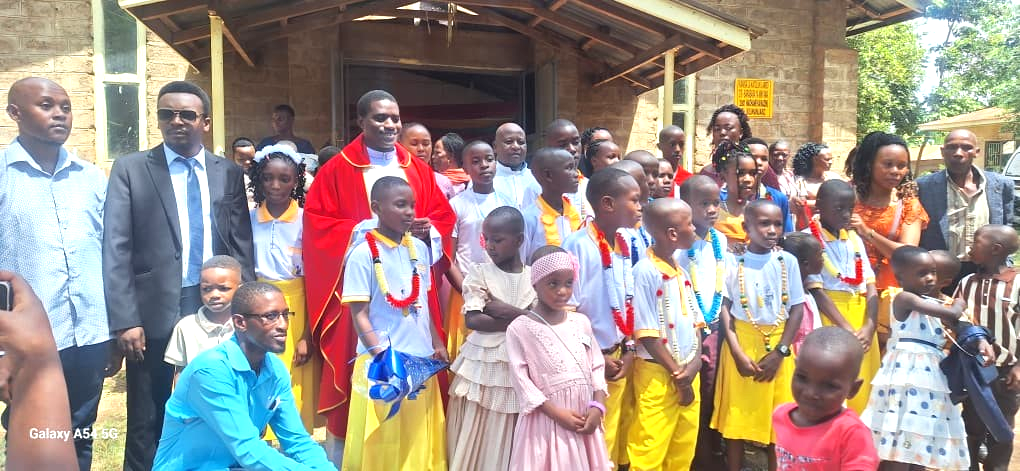
Key pastoral activities include the celebration of Sacraments such as Baptism, Reconciliation, Holy Eucharist, and Confirmation, usually administered after one year of catechetical preparation. Priests and pastoral agents also conduct home visits to better understand the faithful and their challenges.
The parish has 6 Outstations and 6 apostolic groups: the Outstations are: Sacred Heart of Jesus (19 members), St. Anne (15 members), Blessed Virgin Mary group and St. Aloysius (36 members). Furthermore, there is The Holy Childhood (115 members) and finally, St. Augustine (9 members).
Apostolic Groups
These groups are: Choir ministry (27 members), Living Rosary (58 members) and The Legion of Mary (11 members). The Catholic Women Action (174 members), Catholic Men Action (newly formed, still organizing leadership) and the youth group (42 members).
Office Services
The current Parish office is in poor condition and does not meet modern administrative needs. There is an urgent need to develop a proper Parish office through strategic planning.
Religious Education in Schools
Kimashuku Parish includes 3 Primary schools and 2 Secondary schools. However, most of them have very few Catholic students; often fewer than five, and spread across different classes.
The schools that currently serve Catholic students include: Harambee Secondary School, where religious instruction is offered once a week. There is also St. Pamakio Inclusive Secondary School, which has religious sisters and a priest coordinating spiritual activities. The Sacrament of Reconciliation is administered in these schools approximately once a month, depending on need and availability.
We thank the Lord for this new presence. We ask Him, through the intercesion of St. Joseph Allamano and Our Lady Consolata, that the pastoral service offered may bear fruits for His greater glory.
* Fr Benedict Msigwa is a Consolata Missionary, working in Tanzania, Africa.